
For homeowners, plumbers, and municipal water system managers, ensuring the safety and reliability of drinking water infrastructure is a top priority. When repairs or upgrades are needed, the choice of materials and components becomes critical. One question that often arises is whether flexible pipe couplings—a popular choice for joining pipes in various applications—are suitable for drinking water systems. This article explores their compatibility, safety considerations, and practical advantages in delivering clean, potable water.

The Basics of Flexible Pipe Couplings
Flexible pipe couplings are mechanical devices designed to connect two pipes of the same or different diameters securely. Unlike rigid couplings, which rely on exact alignment and fixed joints, flexible couplings accommodate slight misalignments, vibrations, and thermal expansion. They typically consist of a rubber sleeve reinforced with metal bands or clamps, which compress the sleeve around the pipes to create a watertight seal.
These couplings are widely used in residential, commercial, and industrial plumbing for their ease of installation and versatility. They can handle pipes made of materials like PVC, copper, or steel, making them a go-to solution for quick repairs or system expansions. But does their flexibility compromise their suitability for drinking water?
Material Safety: The Core of Potable Water Compatibility
The primary concern when using any component in a drinking water system is whether it introduces contaminants. Flexible couplings are manufactured using materials that must meet stringent safety standards to ensure they do not leach harmful substances into the water.
High-quality couplings intended for potable water applications are made from FDA-approved or NSF-certified rubber compounds. These materials are rigorously tested to confirm they do not contain toxins like lead, phthalates, or volatile organic compounds (VOCs). The metal components, such as stainless steel clamps, are also chosen for their corrosion resistance and inertness, preventing rust or chemical reactions that could affect water quality.
Before installation, it’s essential to verify that the coupling is explicitly labeled for drinking water use. Manufacturers often provide documentation or certifications to confirm compliance with regulations like the Safe Drinking Water Act (SDWA) in the U.S.
Resistance to Pressure and Temperature Fluctuations
Drinking water systems operate under varying pressures and temperatures, depending on factors like local climate, water source, and usage patterns. Flexible couplings must withstand these conditions without failing.
Modern couplings are engineered to handle pressures ranging from 30 to 150 psi (pounds per square inch), which covers most residential and municipal systems. They also remain functional in temperatures from freezing cold to over 180°F, ensuring reliability during both winter and summer months.
The rubber sleeve’s flexibility plays a key role here. It can expand or contract slightly to absorb pressure surges or thermal changes, reducing stress on the pipes and joints. This adaptability minimizes the risk of cracks or leaks, which are common failure points in rigid systems.
Ease of Installation and Maintenance
One of the standout advantages of flexible couplings is their simplicity. Installing a rigid coupling often requires precise pipe cutting, alignment, and soldering or welding—skills that may not be readily available during emergencies. In contrast, flexible couplings can be fitted in minutes with basic tools like wrenches or screwdrivers.
This ease of use is particularly valuable in tight spaces or underground installations where maneuverability is limited. For example, if a section of underground pipe needs replacement, a flexible coupling allows plumbers to connect the new pipe without excavating large areas to ensure perfect alignment.
Maintenance is equally straightforward. Because couplings are designed to be removable, they simplify future inspections or repairs. If a section of pipe develops an issue downstream, the coupling can be undone to isolate the problem without dismantling the entire system.
Long-Term Durability and Cost-Effectiveness
While the initial cost of flexible couplings may be slightly higher than rigid alternatives, their longevity often offsets this difference. The rubber sleeve’s resistance to corrosion and abrasion means it outlasts metal joints in many environments, especially in areas with aggressive water chemistry or soil conditions.
Additionally, the reduced risk of leaks translates to lower water waste and fewer repair costs over time. Municipalities and homeowners alike benefit from fewer service interruptions and less frequent replacements, making flexible couplings a cost-efficient investment.
Addressing Common Misconceptions
Despite their advantages, some skeptics argue that flexible couplings are less reliable than rigid ones. This belief stems from outdated experiences with early models that lacked modern materials and design improvements. Today’s couplings undergo extensive testing to ensure they meet or exceed industry standards for durability and safety.
Another concern is the potential for bacterial growth in the rubber sleeve. However, studies show that when properly installed and maintained, flexible couplings do not harbor more bacteria than rigid joints. Regular flushing of the system and adherence to local plumbing codes further mitigate this risk.
When to Avoid Flexible Couplings
While flexible couplings are suitable for most drinking water applications, there are scenarios where alternative solutions may be preferable. For instance, in high-pressure industrial settings or systems exposed to extreme chemicals, specialized rigid joints might offer superior performance. Similarly, if local building codes explicitly prohibit flexible couplings, compliance is necessary.
Consulting with a licensed plumber or engineer is always advisable before making significant changes to a drinking water system. They can assess factors like water pressure, pipe material, and environmental conditions to recommend the best approach.
Conclusion: A Versatile Solution for Safe Water Delivery
Flexible pipe couplings are not only compatible with drinking water systems but often provide practical benefits over traditional rigid joints. Their certified materials, pressure resistance, and ease of installation make them a reliable choice for homeowners and professionals alike. By prioritizing quality and proper usage, these couplings can help ensure clean, accessible water for years to come.
As with any plumbing component, due diligence is key. Always select couplings designed for potable water, follow manufacturer guidelines, and seek expert advice when needed. With the right approach, flexible couplings can be a safe, efficient, and durable part of any drinking water infrastructure.
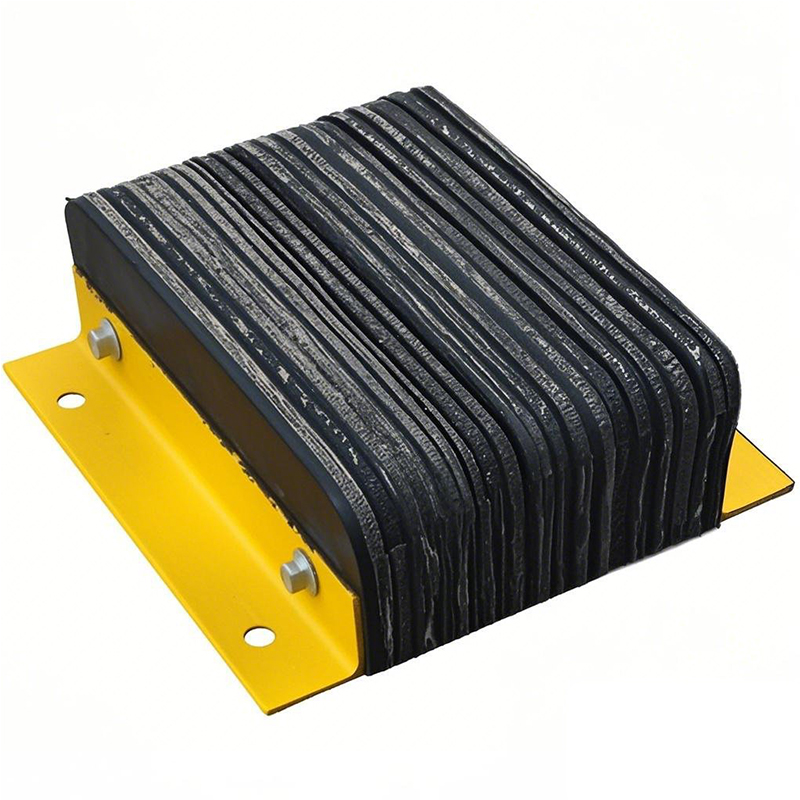 How Does a Laminated Rubber Dock Bumper Protect Your Facility Better Than Solid Rubber?
 Are You Still Using Solid Rubber? Why a Laminated Rubber Dock Bumper with Steel Corners Is the Smarter Investment?
 Need a Bumper for Glancing Impacts? How Hybrid Steel-Rubber Design Outperforms.
 Tired of Replacing Torn Dock Bumpers? Does Steel-Reinforced Rubber Solve Your Problem?