
 Stop Replacing Every 6 Months: The Laminated Rubber Dock Bumper That Actually Lasts
If your loading dock sees constant trailer traffic, you know the pain of worn-out bumpers. Traditional solid rubber blocks crack, split, and lose their shape within months. But there is a better option gaining traction among facility managers who track their maintenance costs: the Laminated Rubber Dock Bumper with integrated steel corner guards. This hybrid design solves the two biggest problems of standard bumpers — poor energy absorption and premature edge failure — in one package.
What Makes a Laminated Rubber Dock Bumper Different?
Unlike a solid molded block, a laminated bumper is built from alternating layers of high-strength rubber and fabric-reinforced rubber sheets, compressed and bonded together under extreme pressure. Think of it like a stack of heavy-duty tire treads fused into one unit. This layered construction gives the bumper unique mechanical advantages:
Progressive Compression: Each layer compresses independently, allowing the bumper to absorb energy gradually rather than transferring the full shock to the dock wall.
Tear Resistance: If a forklift gouges the outer layer, the damage stops at that single lamella. The rest of the bumper remains fully functional.
Flexural Strength: The laminated structure resists bending and warping better than a monolithic rubber block under repeated side-loading.
Now add steel corner plates bolted directly onto the laminate stack, and you eliminate the number-one failure mode: corner tear-out from angled trailer approaches.
Why Steel Corners Complete the Design
Even the best laminated rubber has a weak point: the exposed 90-degree edge. When a trailer backs in at an angle — which happens dozens of times per shift — that corner gets scraped, pinched, and eventually torn. The Laminated Rubber Dock Bumper with steel corners solves this by armoring exactly where damage occurs.
The steel plates serve three functions:
Abrasion Shield: The steel takes the scraping force instead of the rubber edge.
Load Distribution: The plate spreads point impacts across multiple rubber laminates, preventing localized crushing.
Structural Anchor: Bolts pass through both steel and rubber layers, creating a mechanically locked assembly that resists being pulled from the wall.
The result is a bumper that outlasts solid rubber by 3x to 5x in high-traffic applications, based on field data from major distribution centers.
Performance Under Real-World Conditions
Beyond cost, the laminated design delivers measurable performance advantages:
Energy Absorption: Independent lab tests show laminated bumpers reduce peak impact force transmitted to the building by up to 30% compared to solid rubber of equal thickness.
Temperature Stability: The layered construction resists hardening in cold weather and softening in heat, maintaining consistent performance from -40°F to 180°F.
Self-Healing Surface: Minor cuts and abrasions close up over time due to the compressive preload in the laminate stack, unlike solid rubber where cuts propagate.
Where Should You Install These Bumpers First?
Prioritize these locations for maximum ROI:
Primary Receiving Doors: Where trailers back in 50+ times daily.
Cross-Dock Positions: High turnover with constant angled approaches.
Doors Used by Multiple Trailer Types: Different bed heights create uneven wear patterns.
Freezer/Cooler Doors: Temperature extremes accelerate solid rubber failure.
How to Verify Quality Before Buying
Not all laminated bumpers are equal. Check these specs when sourcing:
Laminate Count: Minimum 10 individual layers per inch of thickness.
Rubber Durometer: Shore A 65–75 for optimal absorption without excessive deflection.
Steel Gauge: At least 10-gauge (0.1345") with hot-dip galvanized finish.
Bolt Pattern: Four through-bolts minimum per bumper, with oversized washers on both sides.
Warranty: Look for minimum 5-year warranty on delamination or steel separation.
Conclusion
 How Much Load Can a Bridge Bearing Pad Actually Carry? Engineering Data for Safe Girder Support
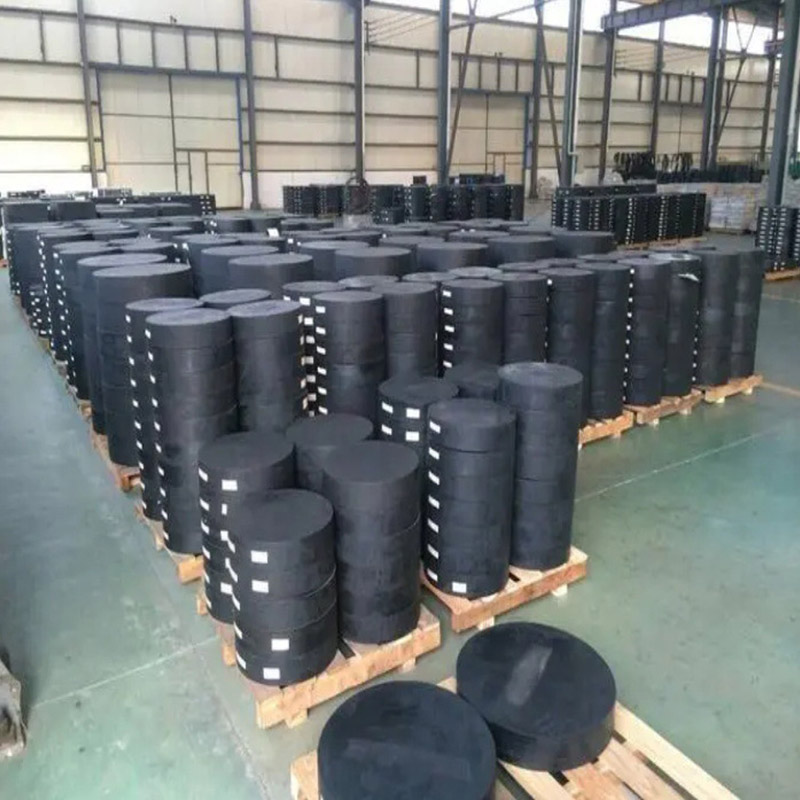 Is Your Bridge Bearing Pad Specified for the Wrong Rubber Grade? Why Elastomeric Bridge Bearing Pad Selection Decides 50-Year Deck Life
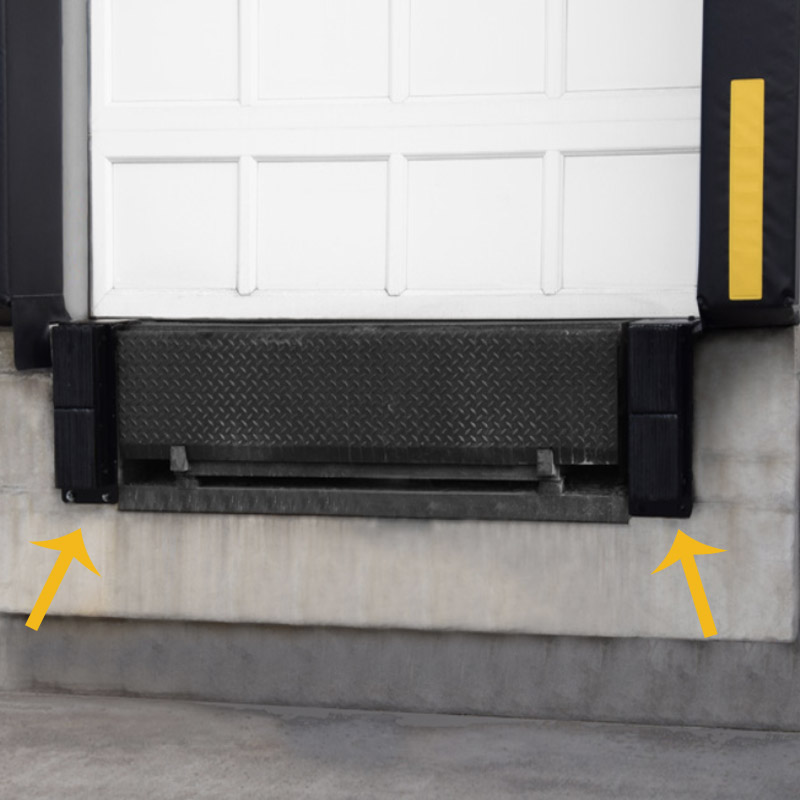 Can a Loading Dock Bumper Survive -30°C Winters and +50°C Summers? Here Is the Extreme-Weather Data
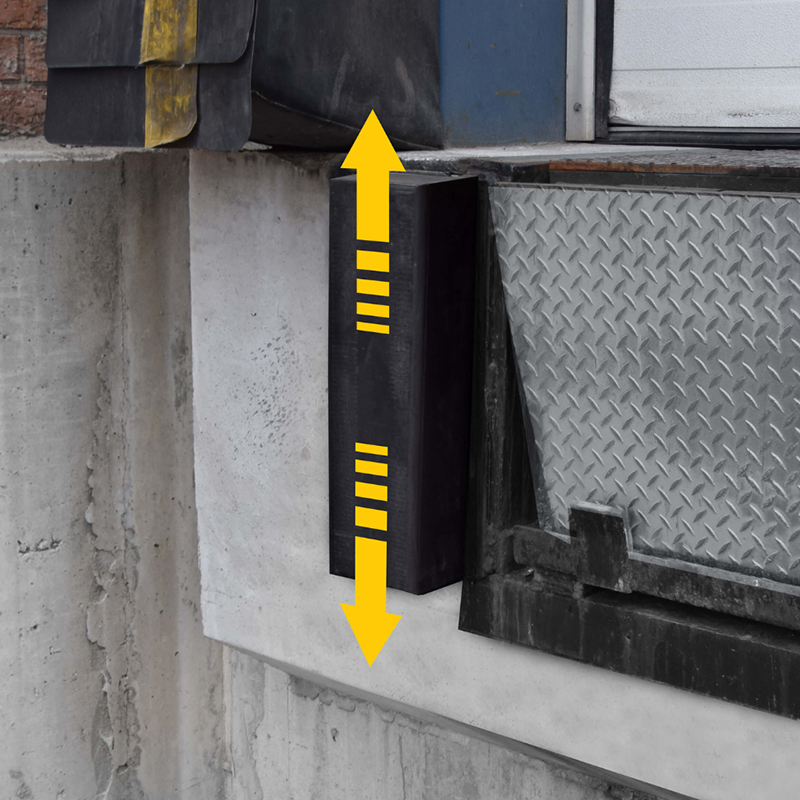 Are Your Dock Bumpers Specified for the Wrong Impact Profile? Why a Loading Dock Bumper with a Steel Face Outperforms in Real Traffic