
When it comes to industrial and transportation applications, rubber airbags play a crucial role. From lifting heavy loads in construction sites to providing cushioning in vehicle suspensions, these versatile components are relied upon for their strength and flexibility. However, a common question that arises, especially in regions with cold climates, is whether rubber airbags can perform effectively in low - temperature conditions. Let's delve into this topic to understand the factors at play.
The Nature of Rubber and Temperature Sensitivity
Rubber is a polymer material, and its physical properties are significantly influenced by temperature. At normal room temperatures, rubber exhibits excellent elasticity, allowing it to stretch and then return to its original shape. This elasticity is what makes rubber airbags so useful, as they can be inflated to create a firm yet flexible structure.
When the temperature drops, the molecular structure of rubber begins to change. The long - chain polymers that make up rubber start to move more slowly. As a result, the rubber becomes stiffer and less elastic. This change in physical properties can have a direct impact on the performance of rubber airbags. In extremely cold conditions, the airbag may not be able to stretch as easily as it does at warmer temperatures, which could limit its ability to conform to irregular surfaces or handle dynamic loads.
Effects on Inflation and Deflation
The process of inflating and deflating a rubber airbag is also affected by cold temperatures. Inflating an airbag requires the rubber to expand to accommodate the incoming air. In cold weather, the stiffness of the rubber can make this expansion more difficult. It may take more pressure to inflate the airbag to the desired level, and there is a risk of over - pressurization if the operator is not careful.
Deflation can also be problematic. When releasing the air from the airbag, the stiff rubber may not return to its original shape as smoothly as it would in warm conditions. This can lead to residual pressure within the airbag, which may affect its next use. Additionally, the slow return of the rubber to its relaxed state could cause the airbag to take longer to be ready for reuse, potentially slowing down work processes.
Durability in Cold Climates
Cold temperatures can also impact the long - term durability of rubber airbags. The repeated expansion and contraction that occur during normal use can cause stress on the rubber material. In cold conditions, this stress is exacerbated because the rubber is less able to absorb and distribute the forces evenly.
Over time, this increased stress can lead to cracks and tears in the rubber. These small defects can quickly grow under the influence of further use and cold temperatures, eventually rendering the airbag unusable. Moreover, the cold can make the rubber more brittle, increasing the likelihood of sudden failure if the airbag is subjected to a sharp impact or excessive load.
Mitigating the Effects of Cold Temperatures
Despite these challenges, there are ways to ensure that rubber airbags can still function effectively in cold climates. One approach is to use specially formulated rubber compounds. Manufacturers can develop rubber blends that are more resistant to cold - induced stiffness. These compounds may contain additives that improve the flexibility of the rubber at low temperatures, allowing it to maintain its elasticity even in frigid conditions.
Another strategy is to pre - warm the airbags before use. This can be done by storing them in a heated environment or using external heating sources to raise the temperature of the rubber. By bringing the airbag to a more favorable operating temperature, the inflation and deflation processes become smoother, and the risk of damage due to cold - related stiffness is reduced.
Real - World Applications and Success Stories
There are numerous real - world examples where rubber airbags have been successfully used in cold temperatures. In the construction industry, for instance, airbags are often used for lifting and positioning heavy concrete slabs. In regions with cold winters, construction crews have found that by following proper storage and pre - warming procedures, they can continue to use rubber airbags without significant performance issues.
In the transportation sector, airbags used in vehicle suspensions also face cold - temperature challenges. However, with the development of advanced rubber materials and improved design features, modern vehicle suspensions can still provide a smooth ride even in freezing conditions. This shows that with the right technology and maintenance practices, rubber airbags can overcome the limitations imposed by cold temperatures.
Conclusion
In conclusion, while cold temperatures do pose challenges to the performance of rubber airbags, they are not insurmountable. By understanding the effects of cold on rubber's physical properties, taking steps to mitigate these effects through material selection and pre - warming, and learning from real - world success stories, it is possible to ensure that rubber airbags continue to be a reliable and effective component in a wide range of applications, even in the coldest of climates. As technology continues to advance, we can expect even more innovative solutions to emerge, further enhancing the performance of rubber airbags in extreme temperature conditions.
 How Does a Laminated Rubber Dock Bumper with Steel Angle Improve Loading Dock Safety?
 Why Does a Laminated Rubber Dock Bumper with Steel Angle Outperform Standard Designs?
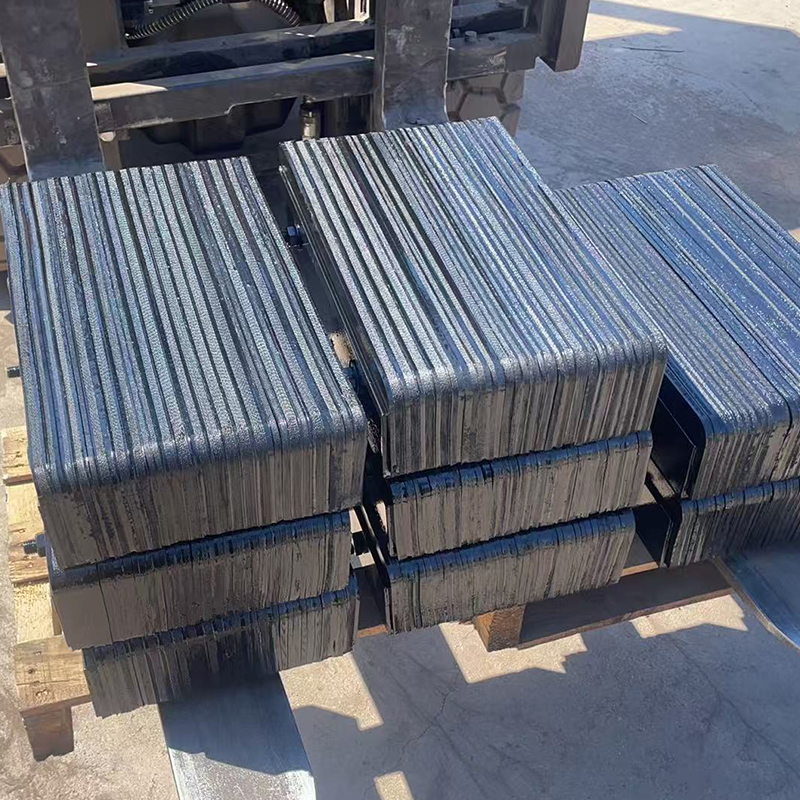 Are Your Dock Bumpers Failing in Extreme Weather? How Laminated Rubber with Steel Corners Handles Heat, Cold, and Moisture
 Is Your Dock Bumper Damaging Your Trailers? How Laminated Rubber with Steel Corners Protects Both Sides