
The industrial sector constantly seeks innovative solutions to improve efficiency, safety, and cost-effectiveness. Among the tools gaining attention are rubber airbags—flexible, inflatable devices designed to lift, stabilize, or cushion heavy loads. But are these airbags truly approved for industrial use? This article delves into their regulatory status, safety standards, and real-world applications to help businesses make informed decisions.
Understanding the Basics: What Are Rubber Airbags?
Rubber airbags, often referred to as pneumatic or inflatable bags, are constructed from reinforced rubber or synthetic materials. Their design allows them to expand when filled with air, creating a durable yet flexible support system. Unlike rigid tools like metal jacks or wooden blocks, airbags conform to irregular shapes, distribute weight evenly, and reduce the risk of damage to delicate surfaces.
These devices are used in diverse industries, from construction and shipbuilding to automotive repair and heavy machinery handling. Their portability and adaptability make them attractive for tasks requiring temporary support or precise positioning. However, their widespread adoption hinges on one critical question: Do they meet industrial safety and regulatory requirements?
Regulatory Approvals: Navating Industry Standards
In the United States, industrial equipment must comply with standards set by organizations like the Occupational Safety and Health Administration (OSHA) and the American Society for Testing and Materials (ASTM). While no single federal regulation explicitly governs all rubber airbags, their use falls under broader safety guidelines for lifting devices and pressure-containing equipment.
For example, OSHA’s regulations on material handling (29 CFR 1910.179) emphasize the importance of using equipment rated for the intended load capacity. Airbags must undergo rigorous testing to ensure they can withstand specified pressures without rupturing. ASTM standards, such as ASTM D624 (for tear resistance) and ASTM D412 (for tensile strength), provide benchmarks for material durability. Manufacturers often submit their products to third-party certifications, such as UL or CE marking, to demonstrate compliance with international safety norms.
Safety Considerations: Risks and Mitigations
Despite their utility, rubber airbags are not without risks. Overinflation, punctures, or improper use can lead to sudden failure, endangering workers and equipment. To minimize hazards, industries adopt the following practices:
Load Capacity Limits: Airbags must never exceed their rated weight capacity. Overloading can cause structural failure.
Regular Inspections: Visual checks for cracks, wear, or leaks are essential before each use.
Training Protocols: Workers should receive hands-on training to understand proper inflation techniques and emergency procedures.
Protective Accessories: Using secondary supports, such as cradles or chains, can prevent airbags from shifting under load.
By adhering to these precautions, businesses can leverage airbags safely in high-stakes environments.
Applications Across Industries: From Construction to Logistics
Rubber airbags have proven their value in multiple sectors:
Construction: Airbags lift heavy concrete slabs or steel beams into place, reducing the need for cranes in tight spaces.
Shipbuilding: They stabilize vessels during repairs or launches, preventing uneven weight distribution.
Automotive: Mechanics use smaller airbags to lift vehicles for maintenance, avoiding damage to undercarriages.
Disaster Response: Emergency teams deploy airbags to stabilize collapsed structures or rescue trapped individuals.
Their versatility stems from their ability to adapt to unconventional shapes and environments, a feature rigid tools often lack.
Environmental and Cost-Efficiency: A Sustainable Choice?
Industries are increasingly prioritizing sustainability, and rubber airbags offer advantages here as well. Unlike hydraulic systems, which rely on oil and generate waste, airbags operate using compressed air—a cleaner, renewable resource. Their lightweight design also reduces transportation emissions compared to heavier alternatives.
Cost-wise, airbags require lower upfront investment than cranes or forklifts and demand minimal maintenance. Their durability ensures long-term use, further offsetting initial expenses. For small businesses or temporary projects, this affordability can be a game-changer.
Challenges and Limitations: When Airbags Aren’t the Answer
Despite their benefits, rubber airbags aren’t universally applicable. Extreme temperatures, sharp edges, or prolonged exposure to chemicals can degrade their materials. Additionally, tasks requiring precise, millimeter-level adjustments may still rely on mechanical jacks or scissor lifts.
Industries must evaluate each scenario individually. For instance, lifting a multi-ton bridge segment might call for airbags, while assembling electronics demands micro-precision tools.
The Future of Rubber Airbags: Innovations on the Horizon
Advancements in material science are addressing current limitations. Self-healing rubber compounds, for example, could reduce puncture risks, while smart sensors embedded in airbags might monitor pressure and alert users to potential failures. These innovations could expand their use into high-risk fields like mining or aerospace.
Moreover, collaborations between manufacturers and regulatory bodies aim to standardize testing protocols globally, ensuring consistent safety across borders.
Conclusion: Are Rubber Airbags Industrial-Approved? The Verdict
Rubber airbags are not only approved for industrial use but also thriving in roles where flexibility, safety, and cost-efficiency matter most. While no single regulation governs their use entirely, adherence to OSHA, ASTM, and third-party standards ensures they meet rigorous safety benchmarks. By combining proper training, regular maintenance, and situational awareness, industries can harness airbags to enhance productivity without compromising worker safety.
 How Does a Laminated Rubber Dock Bumper with Steel Angle Improve Loading Dock Safety?
 Why Does a Laminated Rubber Dock Bumper with Steel Angle Outperform Standard Designs?
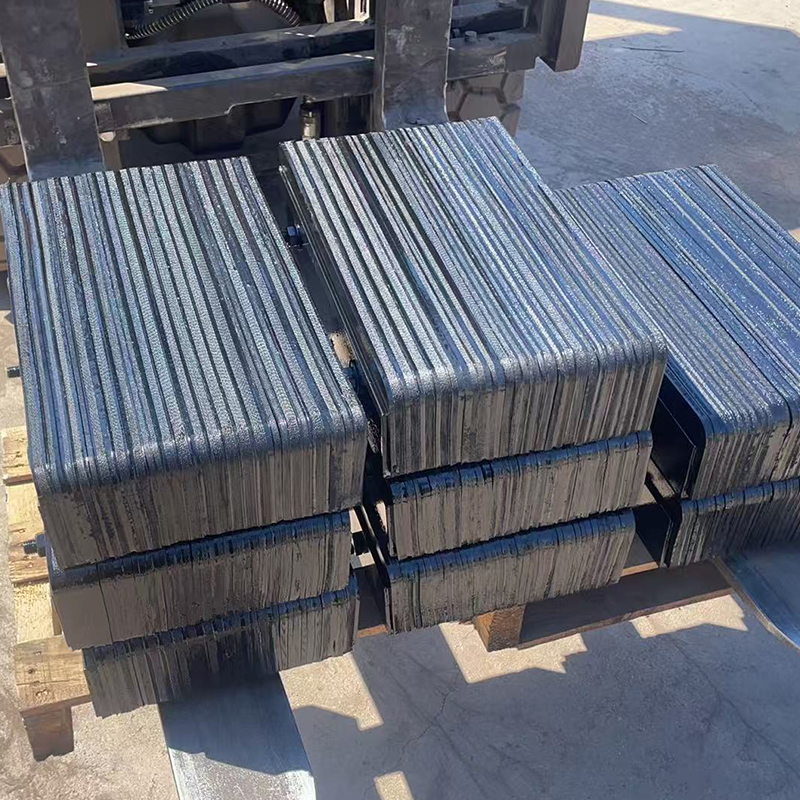 Are Your Dock Bumpers Failing in Extreme Weather? How Laminated Rubber with Steel Corners Handles Heat, Cold, and Moisture
 Is Your Dock Bumper Damaging Your Trailers? How Laminated Rubber with Steel Corners Protects Both Sides