Discover how a
Laminated Rubber Dock Bumper with steel corners performs in extreme temperatures, UV exposure, and wet conditions. Ideal for outdoor docks and unheated warehouses.
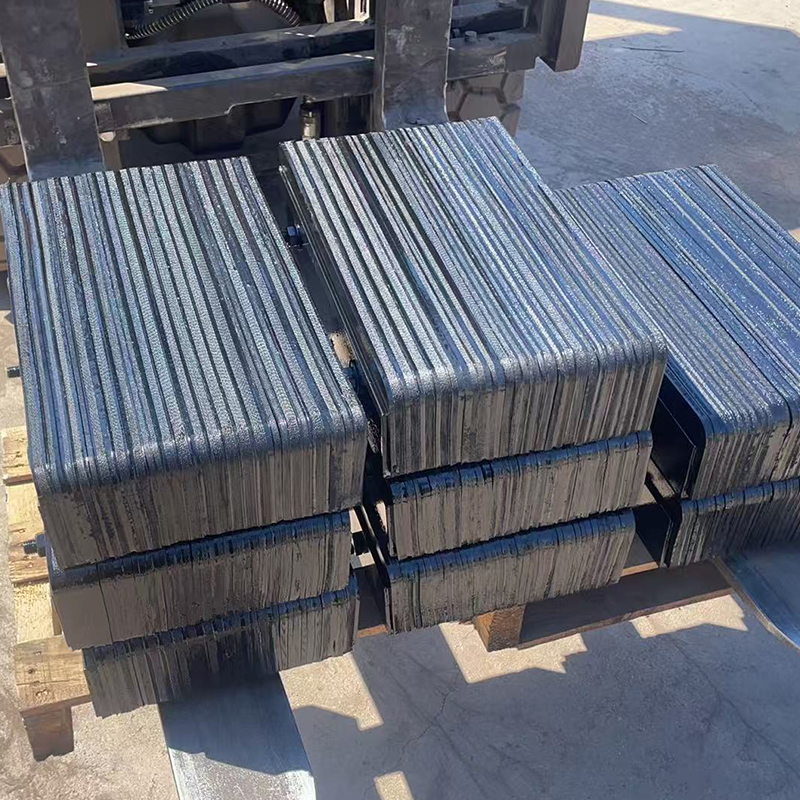 Built for the Elements: Why Weather Resistance Demands a Laminated Rubber Dock Bumper
Not all loading docks enjoy climate-controlled comfort. Outdoor receiving yards, unheated warehouses, freezer facilities, and docks in coastal regions expose bumpers to punishing environmental conditions. Heat accelerates rubber degradation. Cold causes embrittlement and cracking. Moisture promotes corrosion and freeze-thaw damage. The Laminated Rubber Dock Bumper with steel corner reinforcement is engineered to survive where standard bumpers fail.
The Environmental Attack on Dock Bumpers
Understanding how weather damages bumpers helps explain why laminated construction offers superior survival:
UV Radiation: Sunlight breaks the molecular bonds in rubber, causing surface cracking, hardening, and loss of elasticity. Solid rubber bumpers exposed to direct sunlight can become brittle within two years.
Extreme Heat: Temperatures above 120°F cause rubber to soften and deform. Solid bumpers may take a compression set, meaning they never return to their original shape after an impact.
Extreme Cold: Below freezing, rubber loses flexibility. Solid bumpers become rigid and transmit more shock to the building. Below -20°F, many rubber compounds crack under impact.
Moisture and Freeze-Thaw: Water seeps into surface cracks. When it freezes, it expands, widening the cracks and accelerating deterioration. This cycle destroys solid bumpers rapidly in northern climates.
Salt and Chemicals: Road salt, de-icing chemicals, and industrial cleaners attack rubber compounds and corrode exposed metal.
How Laminated Construction Fights Environmental Degradation
The layered architecture of a Laminated Rubber Dock Bumper provides inherent defenses against each of these threats:
UV Resistance Through Sacrificial Layers: When the outermost laminate degrades from sun exposure, the underlying layers remain protected and functional. The bumper continues performing even as its surface ages.
Thermal Stability Through Layer Independence: Each laminate expands and contracts independently with temperature changes. This prevents the internal stress buildup that causes solid bumpers to warp or crack.
Cold Flexibility Preservation: The fabric reinforcement between layers maintains dimensional stability in cold conditions, preventing the excessive stiffening that plagues solid rubber.
Moisture Channeling: The laminate interfaces create natural drainage paths that prevent water pooling on the bumper surface, reducing freeze-thaw damage.
Steel Corner Performance in Harsh Environments
The steel corner plates face their own environmental challenges. Quality manufacturers address these through material selection and finishing:
| Environmental Condition |
Steel Corner Requirement |
Why It Matters |
| Coastal salt air |
Hot-dip galvanized finish |
Zinc coating prevents rust formation that would weaken the steel |
| Chemical wash-down areas |
Stainless steel option |
Resists attack from cleaning agents and sanitizers |
| Freezer environments |
Low-temperature steel alloy |
Maintains impact toughness below -40°F without becoming brittle |
| High-humidity interiors |
High-humidity interiors |
Durable finish prevents surface rust in condensation-prone areas |
| Abrasive outdoor dust |
Hardened steel surface |
Resists erosion from wind-blown particles |
Real-World Performance in Climate Extremes
Data from facilities operating in diverse climates demonstrates the durability advantage:
Desert Locations (Arizona, Nevada): Laminated bumpers with UV-stabilized rubber compounds show minimal surface cracking after five years of direct sun exposure. Solid bumpers at the same facilities require replacement within two to three years.
Northern Freezer Facilities (Minnesota, Wisconsin): Laminated bumpers operating at -20°F maintain their compression characteristics and do not crack under impact. Solid rubber bumpers in identical conditions develop surface cracks within the first winter.
Coastal Marine Terminals (Gulf Coast, Pacific Northwest): Galvanized steel corners on laminated bumpers show no significant corrosion after three years of salt spray exposure. Standard painted steel corners on competing products show rust within six months.
Chemical Processing Plants: Laminated bumpers with oil-resistant rubber compounds and stainless steel corners survive exposure to solvents and acids that degrade standard rubber within weeks.
Selecting Weather-Ready Materials
When specifying a Laminated Rubber Dock Bumper for challenging environments, verify these material specifications:
Rubber Compound: Request EPDM or neoprene compounds for outdoor use. These offer superior UV and ozone resistance compared to standard SBR rubber.
Temperature Rating: Confirm the bumper is rated for the full temperature range of your location. A rating of -40°F to 180°F covers most North American climates.
Steel Finish: For outdoor or wet installations, hot-dip galvanization provides the longest corrosion protection. Powder coating is suitable for indoor humidity but will not survive outdoor exposure.
Laminate Adhesive: The bonding agent between layers must be formulated for the expected temperature range. Standard adhesives may fail in extreme cold or heat.
Installation Modifications for Weather-Prone Locations
Adapt your installation approach to maximize weather resistance:
Elevate the Bumper Base: In areas with snow accumulation, mount bumpers with a 2-inch gap between the bumper bottom and the ground. This prevents ice buildup from pushing the bumper upward.
Use Sealed Mounting Hardware: Apply thread-locking compound and anti-seize to bolts in outdoor installations. This prevents corrosion from locking bolts in place and allows future removal.
Add Drainage Slots: In wet climates, request bumpers with small drainage slots at the bottom of each laminate channel. This prevents water from being trapped between layers.
Apply UV Protectant: For bumpers in direct sunlight, periodic application of a UV-blocking rubber protectant can extend the surface life of the outer laminate.
Inspection Frequency for Environmental Monitoring
Adjust your inspection schedule based on environmental exposure:
Indoor Climate-Controlled: Annual inspection sufficient.
Outdoor Sheltered (under roof overhang): Biannual inspection.
Outdoor Fully Exposed: Quarterly inspection.
Coastal or Chemical Environment: Monthly inspection.
Freezer Below -10°F: Quarterly inspection focusing on cracking.
During inspections, look for:
Surface cracking on the outermost rubber layer
Rust or pitting on steel corner plates
Separation between rubber and steel at bonding points
Warping or distortion of the bumper profile
Loosening of mounting bolts due to thermal cycling
The Freeze-Thaw Cycle: A Specific Threat
Freeze-thaw damage deserves special attention. Water enters microscopic cracks in the rubber surface. When temperatures drop below freezing, the water expands by approximately 9%, wedging the crack open wider. Each freeze-thaw cycle enlarges the crack. Over a single winter with 50 freeze-thaw cycles, a small surface crack can grow into a structural fissure.
Laminated bumpers resist this damage through two mechanisms:
*The fabric interlayers act as crack arrestors, preventing surface cracks from propagating through the full bumper thickness.
*The laminate structure creates internal boundaries that interrupt the continuous path a crack would follow in solid rubber.
Conclusion
The Laminated Rubber Dock Bumper with steel corner reinforcement is the definitive choice for facilities operating in challenging climates. Its layered construction provides inherent resistance to UV degradation, temperature extremes, moisture damage, and chemical attack. Combined with appropriately finished steel corners, this bumper design delivers reliable performance where environmental conditions destroy standard alternatives. For facility managers responsible for docks exposed to the elements, this is the bumper engineered to endure.
 How Much Load Can a Bridge Bearing Pad Actually Carry? Engineering Data for Safe Girder Support
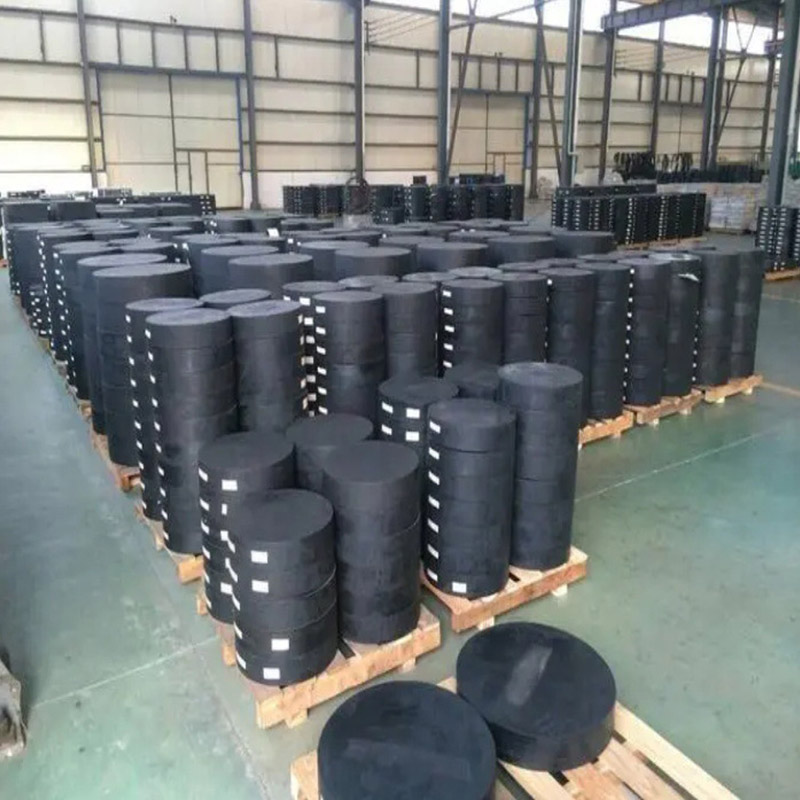 Is Your Bridge Bearing Pad Specified for the Wrong Rubber Grade? Why Elastomeric Bridge Bearing Pad Selection Decides 50-Year Deck Life
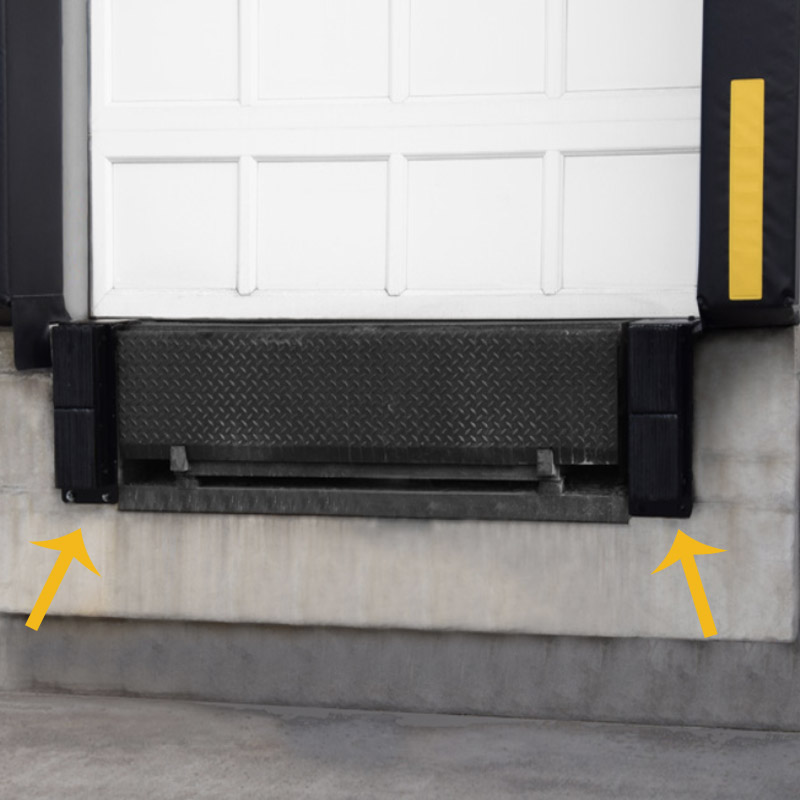 Can a Loading Dock Bumper Survive -30°C Winters and +50°C Summers? Here Is the Extreme-Weather Data
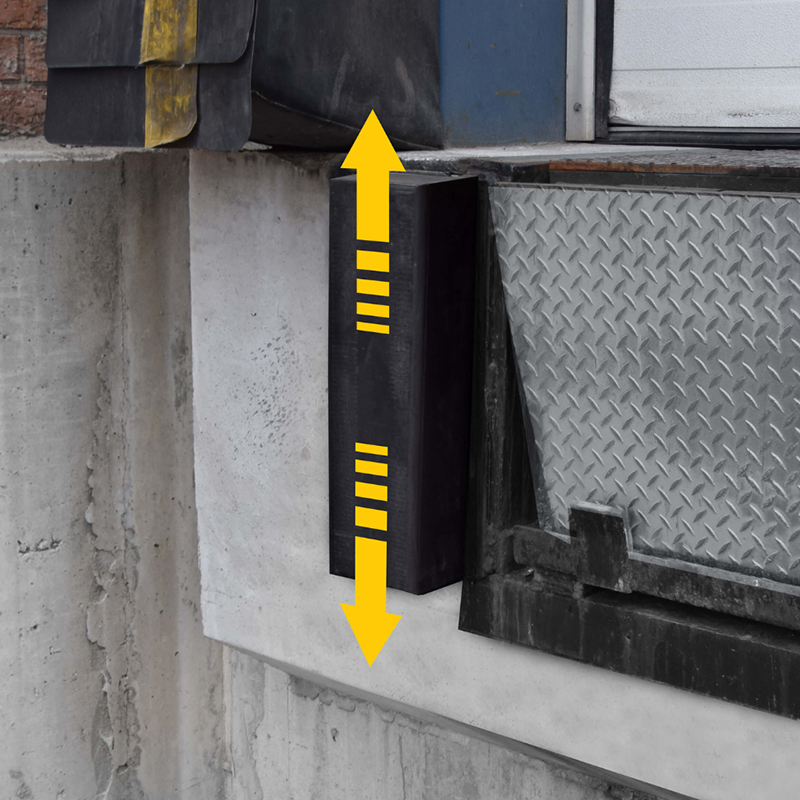 Are Your Dock Bumpers Specified for the Wrong Impact Profile? Why a Loading Dock Bumper with a Steel Face Outperforms in Real Traffic