
When it comes to industrial and engineering applications, rubber airbags play a crucial role in various processes, from lifting heavy objects to cushioning impacts. However, not all rubber airbags are created equal. There are several distinct types, each designed with specific features and intended for particular uses. Understanding the differences between these types can help professionals make informed decisions when selecting the right airbag for their projects.
Inflatable vs. Non-Inflatable Rubber Airbags
One of the most fundamental distinctions among rubber airbags lies in whether they are inflatable or non-inflatable. Inflatable rubber airbags, as the name suggests, can be filled with air or another gas to achieve a desired shape and level of firmness. These airbags are highly versatile and can be adjusted to accommodate different loads and conditions. For instance, in the construction industry, inflatable airbags are often used to lift concrete slabs or bridge sections during repairs or installations. By controlling the amount of air inside, workers can precisely position the heavy components without causing damage.
On the other hand, non-inflatable rubber airbags are pre-formed and maintain a fixed shape and volume. These airbags are typically made from solid rubber or a combination of rubber and other materials to enhance their durability and resistance to compression. Non-inflatable airbags are commonly found in applications where a consistent level of support or cushioning is required, such as in automotive suspension systems or as shock absorbers in industrial machinery. Their fixed nature makes them less adaptable than inflatable counterparts but also more reliable in scenarios where a stable, unchanging support structure is essential.
Single-Chamber vs. Multi-Chamber Designs
Another significant difference among rubber airbags is the number of chambers they contain. Single-chamber airbags are relatively simple in design, consisting of a single, enclosed space that can be inflated or deflated as a whole. These airbags are straightforward to operate and maintain, making them a popular choice for applications where simplicity and cost-effectiveness are priorities. However, their single-chamber construction also means that they offer limited flexibility in terms of adjusting the distribution of pressure within the airbag.
In contrast, multi-chamber rubber airbags feature multiple, separate compartments that can be inflated or deflated independently. This design allows for greater control over the shape and firmness of the airbag, enabling it to conform more precisely to irregular surfaces or distribute pressure evenly across a larger area. Multi-chamber airbags are often used in high-precision applications, such as in the aerospace industry for supporting delicate aircraft components during maintenance or in the medical field for patient positioning during surgical procedures. The ability to fine-tune the airbag's properties makes multi-chamber designs highly valuable in scenarios where precision and adaptability are critical.
Material Composition and Durability
The materials used to manufacture rubber airbags also play a significant role in determining their performance and longevity. While all rubber airbags share a common base material—rubber—the specific type of rubber and any additional reinforcing materials can vary widely. Natural rubber, for example, offers excellent elasticity and resilience but may be less resistant to certain chemicals or extreme temperatures compared to synthetic rubbers.
Synthetic rubbers, such as neoprene or nitrile, are often chosen for their enhanced durability and resistance to environmental factors. These materials can withstand exposure to oils, solvents, and other harsh substances without degrading, making them ideal for use in industrial settings where chemical resistance is a priority. Additionally, some rubber airbags incorporate reinforcing materials like fabric or metal wires to increase their strength and prevent punctures or tears. The choice of material composition depends on the specific requirements of the application, with durability, chemical resistance, and temperature tolerance being key considerations.
Shape and Size Variations
Rubber airbags come in a wide range of shapes and sizes to suit different needs. Cylindrical airbags, for instance, are commonly used for lifting and supporting cylindrical objects or for creating a stable base in applications where a round footprint is desirable. Rectangular or square airbags, on the other hand, offer a larger, flatter surface area and are often used for cushioning or distributing weight evenly across a broad area.
The size of the airbag is also an important factor to consider. Larger airbags can support heavier loads or cover a greater surface area, while smaller airbags are more maneuverable and can fit into tighter spaces. In some cases, custom-shaped airbags may be necessary to accommodate unique geometries or specific application requirements. The ability to choose from a variety of shapes and sizes ensures that there is a rubber airbag suitable for virtually any task.
Application-Specific Designs
Finally, it's worth noting that some rubber airbags are designed with specific applications in mind. For example, airbags used in marine applications must be able to withstand the corrosive effects of saltwater and the constant pressure changes associated with being submerged. These airbags often feature special coatings or materials to enhance their water resistance and durability.
Similarly, airbags used in the food processing industry must meet strict hygiene standards and be resistant to cleaning agents and high-temperature sterilization processes. These airbags are typically made from food-grade materials and are designed to be easy to clean and maintain. By tailoring the design of rubber airbags to specific applications, manufacturers can ensure that their products perform optimally in even the most challenging environments.
In conclusion, the world of rubber airbags is diverse and complex, with a wide range of types and designs available to suit different needs. From inflatable versus non-inflatable options to single-chamber versus multi-chamber designs, material composition, shape and size variations, and application-specific features, understanding these differences is essential for selecting the right airbag for any given task. By considering these factors carefully, professionals can ensure that they choose a rubber airbag that offers the performance, durability, and reliability they need to get the job done right.
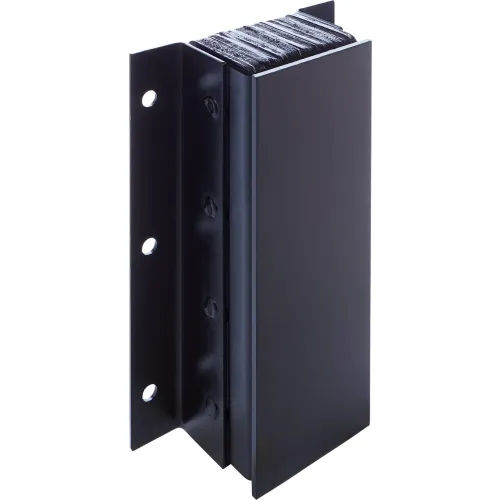 Steel-Faced Laminated Rubber Bumper: 5 Field Problems Buyers Keep Finding After Installation
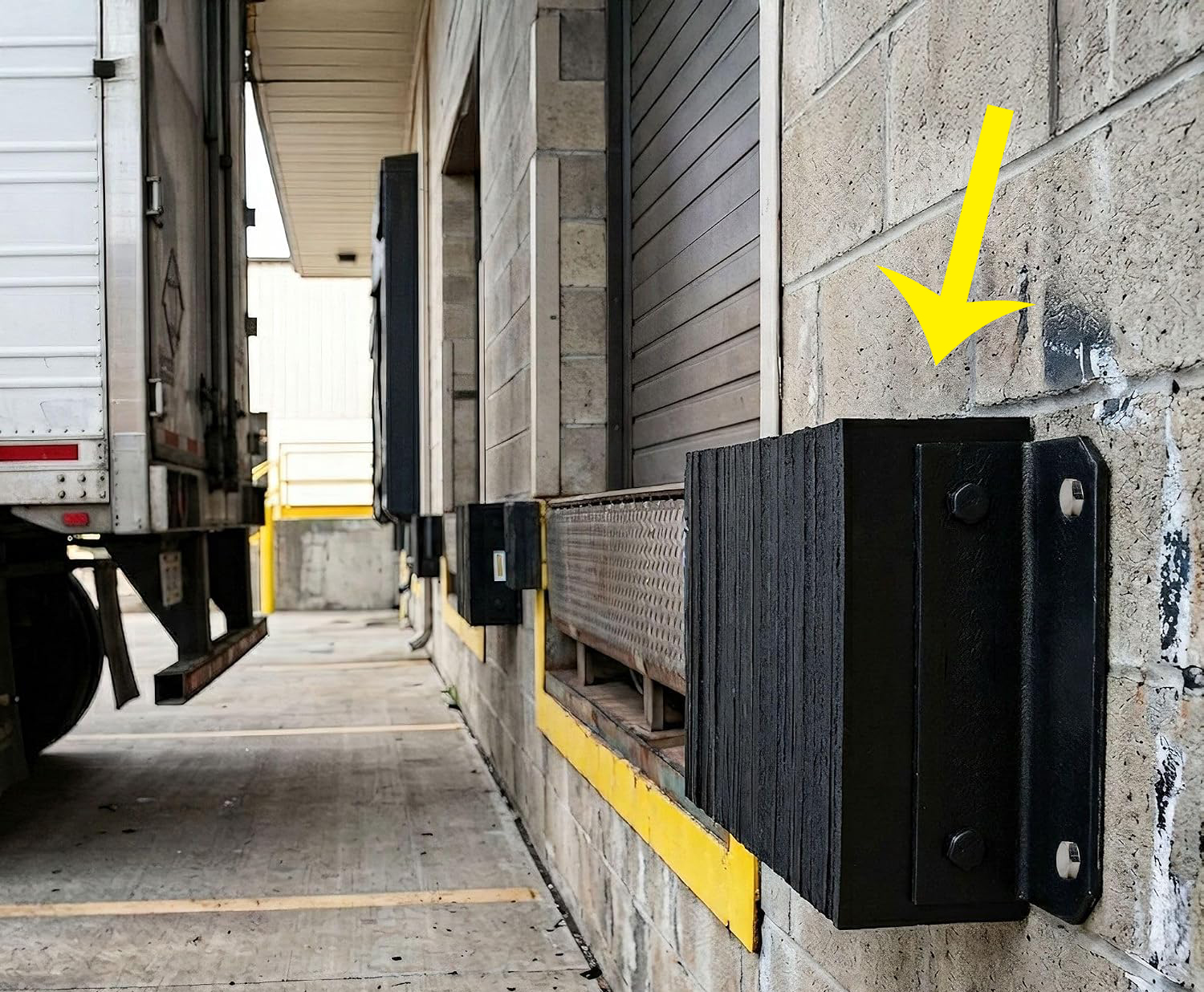 Rubber Laminated Loading Dock Bumper with Steel Angle: 5 Field Failure Signs That Point Back to the RFQ
 Bridge Bearing Pad Field Failure: 5 Visual Signs Before It Retires (And What Caused It)
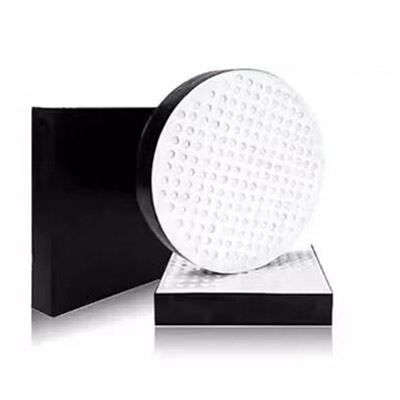 Bridge Bearing Pad RFQ Checklist: 9 Lines That Stop Suppliers From Subbing the Rubber