
The construction industry is constantly evolving, driven by innovation and the need for safer, more efficient solutions. Among the modern tools gaining traction are inflatable airbags—flexible, air-filled devices designed to support, stabilize, or lift heavy loads during building projects. But how durable are these airbags in the demanding environment of construction? This article delves into their construction, longevity, and practical applications to help readers understand whether they’re a reliable choice for their next project.
What Are Inflatable Airbags Made Of?
The durability of any construction tool begins with its materials, and inflatable airbags are no exception. These devices are typically crafted from high-strength synthetic fabrics like nylon or polyester, reinforced with layers of rubber or thermoplastic polyurethane (TPU). These materials are chosen for their resistance to punctures, abrasions, and environmental stressors such as UV rays and moisture.
The multi-layered design ensures that even if the outer layer is scratched or scraped, the inner layers remain intact, preventing air leaks. Some advanced models incorporate Kevlar or similar aramid fibers for added strength, making them suitable for high-pressure applications. The seams, often the weakest point in any inflatable structure, are reinforced with heat-welded or radio-frequency (RF) sealing techniques to enhance durability.
How Do Inflatable Airbags Perform Under Pressure?
Construction sites are dynamic environments where tools must withstand extreme conditions. Inflatable airbags are engineered to handle heavy loads, often supporting weights ranging from a few hundred to several thousand pounds. Their ability to distribute pressure evenly across their surface minimizes stress on any single point, reducing the risk of failure.
For example, when used as void fillers in concrete pouring, airbags maintain their shape despite the weight of wet concrete pressing down on them. Similarly, when lifting or stabilizing structures, they can be inflated to precise pressures, ensuring controlled movement without shifting or collapsing. This adaptability makes them versatile for tasks like bridge construction, pipeline installation, and even disaster recovery efforts.
Environmental Factors and Longevity
Construction projects often expose equipment to harsh weather, chemicals, and rough terrain. Inflatable airbags are designed with these challenges in mind. Their materials resist fading, cracking, or degrading under prolonged sun exposure, while chemical-resistant coatings protect them from oils, solvents, and other industrial substances.
Temperature fluctuations also play a role in durability. Many airbags are rated for use in extreme cold or heat, maintaining flexibility and structural integrity in temperatures ranging from -40°F to 180°F. This resilience ensures they perform reliably whether used in a desert climate or a frigid northern region.
Maintenance and Repair: Extending Lifespan
Like any construction equipment, proper care is key to maximizing the lifespan of inflatable airbags. Regular inspections for cuts, abrasions, or weakened seams can catch issues before they escalate. Minor punctures can often be repaired using patch kits included by manufacturers, while significant damage may require professional servicing.
Storage is another critical factor. When not in use, airbags should be cleaned, dried, and stored in a cool, dry place away from direct sunlight. Avoiding sharp objects and heavy machinery during storage prevents accidental damage. Following these guidelines can extend an airbag’s service life from several years to over a decade, depending on usage frequency.
Cost-Effectiveness Compared to Traditional Methods
One of the most compelling arguments for inflatable airbags is their cost efficiency. Traditional methods like wooden shoring or steel supports require significant labor to install and remove, not to mention the ongoing costs of replacement due to wear or damage. Inflatable airbags, by contrast, can be deployed and deflated quickly, reducing downtime and labor expenses.
Their reusability further enhances their value. A single airbag can be used across multiple projects, whereas disposable materials like sandbags or foam blocks accumulate waste and costs over time. For small to mid-sized construction firms, this makes airbags an attractive investment that pays off through long-term savings.
Real-World Applications and Success Stories
The practicality of inflatable airbags is best illustrated through real-world examples. In bridge construction, they’re used to create temporary supports during deck replacements, ensuring stability without permanent modifications. In pipeline projects, airbags act as internal stoppers, allowing workers to test sections for leaks without flooding entire systems.
Emergency response teams also rely on them for rapid stabilization after earthquakes or floods. For instance, in flood-prone areas, airbags can lift homes slightly off their foundations to prevent water damage, offering a faster alternative to traditional jacking methods. These applications highlight their versatility and reliability in critical scenarios.
Conclusion: Are Inflatable Airbags Worth It?
Inflatable airbags have proven themselves as durable, cost-effective tools in modern construction. Their robust materials, pressure-resistant design, and adaptability to harsh environments make them a viable alternative to traditional methods. While no tool is indestructible, proper maintenance and careful handling can ensure these airbags deliver years of reliable service.
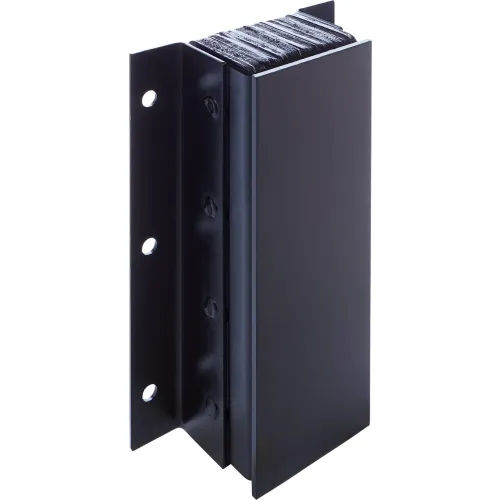 Steel-Faced Laminated Rubber Bumper: 5 Field Problems Buyers Keep Finding After Installation
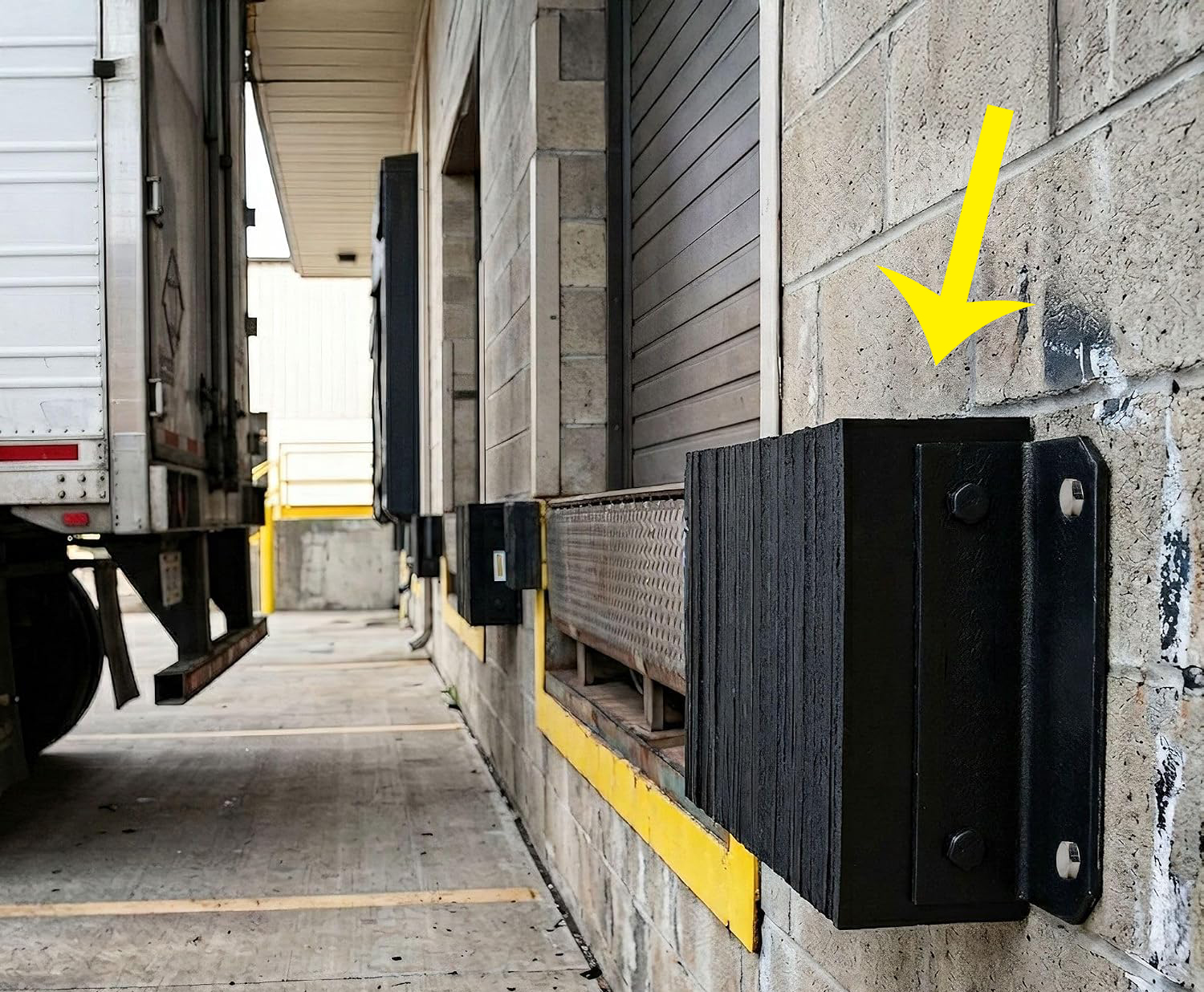 Rubber Laminated Loading Dock Bumper with Steel Angle: 5 Field Failure Signs That Point Back to the RFQ
 Bridge Bearing Pad Field Failure: 5 Visual Signs Before It Retires (And What Caused It)
 Bridge Bearing Pad RFQ Checklist: 9 Lines That Stop Suppliers From Subbing the Rubber