
Rubber pneumatic bags, known for their flexibility and durability, have found applications in a variety of industries. From construction to manufacturing, these bags are celebrated for their ability to withstand pressure and adapt to different environments. However, one question that frequently arises is whether these bags can also perform reliably underwater. This blog post dives into the world of rubber pneumatic bags, exploring their properties, uses, and, most importantly, their underwater capabilities.
Understanding Rubber Pneumatic Bags
Rubber pneumatic bags are essentially inflatable structures made from rubber or rubber-like materials. They are designed to hold air or another gas, providing support, cushioning, or even a method of lifting in various applications. The bags come in different sizes, shapes, and strengths, tailored to specific needs. Their construction typically involves multiple layers of rubber, which are reinforced with fabric or other materials to enhance durability and pressure resistance.
The ability of these bags to expand and contract makes them highly versatile. They can be used for lifting heavy objects, providing shock absorption, or even creating temporary seals. In many industrial settings, they are a cost-effective and efficient solution for tasks that require controlled inflation and deflation.
Key Properties of Rubber Pneumatic Bags
Before delving into their underwater applications, it's essential to understand the key properties that make rubber pneumatic bags suitable for various environments. These properties include:
Flexibility: Rubber's natural elasticity allows the bags to conform to different shapes and sizes, making them adaptable to various uses.
Pressure Resistance: The materials used in constructing these bags are chosen for their ability to withstand high pressures without rupturing. This is crucial in applications where the bags are used to lift heavy loads or support structures.
Chemical Resistance: Many rubber pneumatic bags are resistant to chemicals, oils, and other substances, ensuring they can be used in harsh environments without degradation.
Temperature Tolerance: These bags can often operate within a wide range of temperatures, from extreme cold to heat, making them suitable for outdoor and industrial use.
Water Resistance: While not all rubber materials are equally waterproof, many are designed to resist water penetration, making them suitable for underwater or damp conditions.
Rubber Pneumatic Bags in Underwater Environments
Given their properties, rubber pneumatic bags can indeed be used underwater, but with certain considerations. The water resistance of the rubber is a critical factor. Bags made from high-quality, water-resistant rubber can withstand prolonged exposure to water without losing their integrity. This makes them suitable for applications such as:
Underwater Lifting and Support: In marine construction or salvage operations, rubber pneumatic bags can be used to lift sunken objects or support structures underwater. Their flexibility allows them to conform to irregular shapes, providing even support.
Diving and Aquatic Equipment: Some specialized rubber pneumatic bags are used in diving equipment, such as buoyancy compensators. These bags need to be waterproof and able to withstand the pressures encountered at depth.
Marine Maintenance and Repair: Rubber pneumatic bags can be used to create temporary seals or supports during the repair of ships, boats, or offshore platforms. Their ability to inflate and deflate allows for easy installation and removal.
Aquaculture and Fisheries: In fish farming or aquaculture, these bags can be used to create floating enclosures or supports for nets and cages.
Challenges and Considerations
While rubber pneumatic bags can be used underwater, there are challenges and considerations to keep in mind:
Material Selection: Not all rubber materials are suitable for underwater use. It's essential to choose a material that is specifically designed to resist water and withstand the pressures and conditions encountered underwater.
Pressure Management: Underwater, the pressure increases with depth. Rubber pneumatic bags need to be able to withstand this increased pressure without bursting or losing air. This may require the use of reinforced materials or specialized designs.
Corrosion and Degradation: Even water-resistant rubber can degrade over time, especially when exposed to saltwater or harsh chemicals. Regular maintenance and inspection are crucial to ensure the bags remain in good condition.
Environmental Impact: The use of rubber materials in marine environments raises concerns about environmental impact. It's important to choose materials that are biodegradable or have minimal environmental footprint and to dispose of used bags responsibly.
Safety Precautions: When using rubber pneumatic bags underwater, safety precautions must be taken. This includes ensuring proper inflation and deflation procedures, using appropriate safety gear, and having a plan for emergency situations.
Innovations and Future Developments
As technology advances, so does the potential for rubber pneumatic bags in underwater applications. Innovations in material science are leading to the development of new rubber compounds that are even more resistant to water, pressure, and degradation. These materials could extend the lifespan of the bags and make them even more suitable for marine use.
Additionally, advancements in design and manufacturing techniques are allowing for the creation of more specialized and customized rubber pneumatic bags. This could lead to the development of bags specifically designed for underwater lifting, support, or other marine applications.
Conclusion
In conclusion, rubber pneumatic bags can indeed be used underwater, provided that the right materials and designs are chosen. Their flexibility, pressure resistance, and water resistance make them suitable for a variety of marine applications, from lifting and support to diving equipment and aquaculture. However, it's important to consider the challenges and take appropriate precautions to ensure safety and longevity.
As technology continues to evolve, the potential for rubber pneumatic bags in underwater environments will only grow. Whether it's through the development of new materials or innovative designs, these bags are likely to play an increasingly important role in marine construction, maintenance, and exploration.
For anyone considering the use of rubber pneumatic bags underwater, it's advisable to consult with experts in the field to ensure that the right materials and designs are chosen for the specific application. With the right approach, rubber pneumatic bags can be a reliable and cost-effective solution for a wide range of underwater tasks.
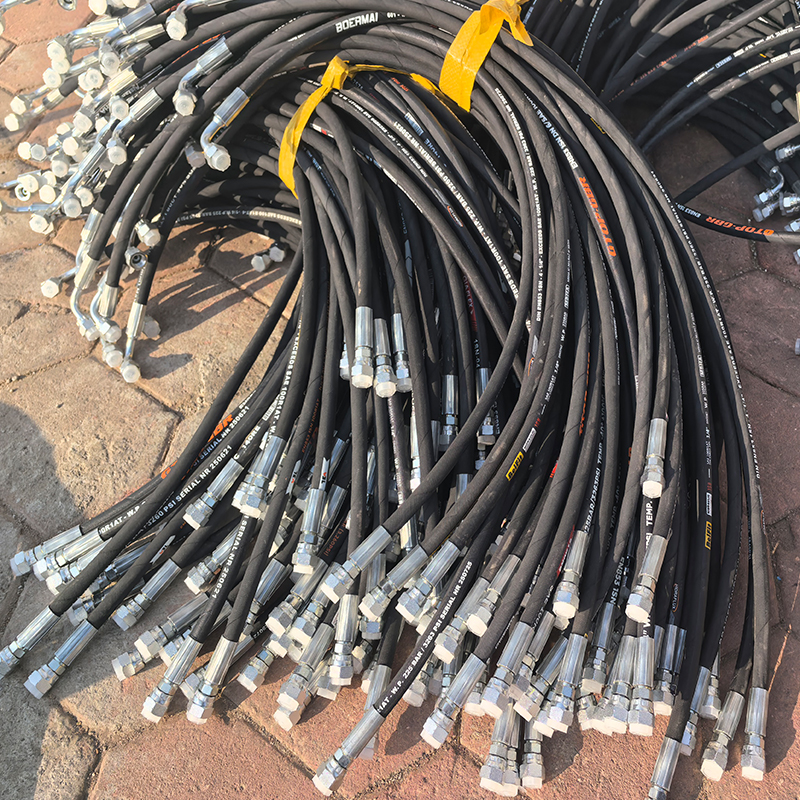 How to Create a Proactive Spiral Hydraulic Hose Replacement Plan That Prevents Downtime?
 Is Your Hydraulic System Overstressing? 5 Diagnostic Signs You Need to Upgrade to Spiral Hose
 Is Your Hydraulic System Pushing Limits? When to Specify Spiral Hose vs. Braided?
 Is Your Machinery Demanding More? Why Upgrade to a Spiral Hydraulic Hose?