
Rubber pneumatic bags, also known as airbags or inflatable bladders, are versatile tools used across industries such as automotive, manufacturing, and construction. These bags rely on compressed air to expand and perform tasks like lifting, sealing, or cushioning. However, selecting the right pressure is critical to ensure efficiency, safety, and longevity of the bag. Overinflation or underinflation can lead to failures, accidents, or wasted resources. This blog will guide you through the process of choosing the optimal pressure for your application.
Importance of Proper Pressure Selection
Choosing the correct pressure is not just about functionality—it’s about safety and cost-effectiveness. When a pneumatic bag operates at the right pressure, it:
Enhances Performance: Delivers the intended force or lift without strain.
Extends Lifespan: Reduces wear and tear caused by excessive stress.
Ensures Safety: Prevents ruptures or explosions that could harm operators or equipment.
Optimizes Resource Use: Avoids energy waste from over-pressurization.
Factors Influencing Pressure Requirements
Several variables must be considered when determining the ideal pressure for a pneumatic bag:
1. Material and Design
The type of rubber (natural vs. synthetic) and the bag’s thickness/reinforcement affect its pressure tolerance. Thicker, reinforced bags can withstand higher pressures, while thinner ones are limited to lower ranges.
2. Application and Load
The intended use of the bag dictates its pressure needs. For example:
Lifting heavy objects may require higher pressures (e.g., 50–100 PSI).
Sealing or cushioning applications might need lower pressures (e.g., 10–30 PSI).
3. Environmental Conditions
Temperature, humidity, and altitude can impact air pressure. Cold temperatures may reduce air density, requiring adjustments to maintain the same force output.
4. Regulatory Compliance
Some industries have strict safety standards for pneumatic systems. Always verify if your application must adhere to OSHA, ANSI, or other regulations.
Step-by-Step Guide to Determining Pressure
1. Consult Manufacturer Specifications
Start by reviewing the technical documentation provided by the bag’s manufacturer. Look for recommended pressure ranges, burst limits, and safety margins.
2. Calculate Required Force
Determine the force needed for your application using the formula:
Force (lbs) = Pressure (PSI) × Area (sq. in.)
For example, if you need 500 lbs of force and the bag’s area is 50 sq. in., the required pressure is 10 PSI.
3. Factor in Safety Margins
Add a safety buffer (e.g., 20% above the calculated pressure) to account for unexpected loads or environmental changes.
4. Test and Adjust
Before full-scale use, perform trials with the bag at the calculated pressure. Monitor performance and make adjustments as needed.
Common Mistakes to Avoid
1. Over-Reliance on “Rule of Thumb”
Relying solely on past experience without considering specific application details can lead to errors. Always verify pressure needs for each unique scenario.
2. Ignoring Environmental Variables
Failing to account for temperature or altitude changes can result in underperformance or damage.
3. Neglecting Maintenance
Worn-out or damaged bags may have altered pressure requirements. Regular inspections are essential.
4. Skipping Safety Checks
Operating a bag beyond its rated pressure can cause catastrophic failures. Always follow safety guidelines and use pressure regulators.
Safety Precautions When Using Pneumatic Bags
1. Use Pressure Regulators
Install regulators to control and monitor air pressure in real-time, preventing overinflation.
2. Conduct Pre-Use Inspections
Check for leaks, cracks, or signs of wear before inflating the bag. Replace damaged components immediately.
3. Train Operators
Ensure all personnel are trained in proper handling, pressure adjustments, and emergency procedures.
4. Implement Emergency Protocols
Have clear guidelines for responding to pressure-related incidents, such as sudden deflations or bursts.
5. Follow Industry Standards
Adhere to guidelines from organizations like the American Society of Mechanical Engineers (ASME) for safe pneumatic operations.
Conclusion: Making Informed Choices
Selecting the right pressure for a rubber pneumatic bag is a balance of science, experience, and safety. By understanding the material, application, and environmental factors, you can optimize performance while minimizing risks. Remember:
Always prioritize safety over convenience.
Regularly update your knowledge as technologies and standards evolve.
Invest in quality equipment and maintenance to ensure long-term reliability.
In conclusion, the right pressure isn’t just a number—it’s a commitment to efficiency, safety, and success in your operations. Take the time to calculate, test, and refine your approach, and you’ll reap the rewards of a well-chosen pneumatic system.
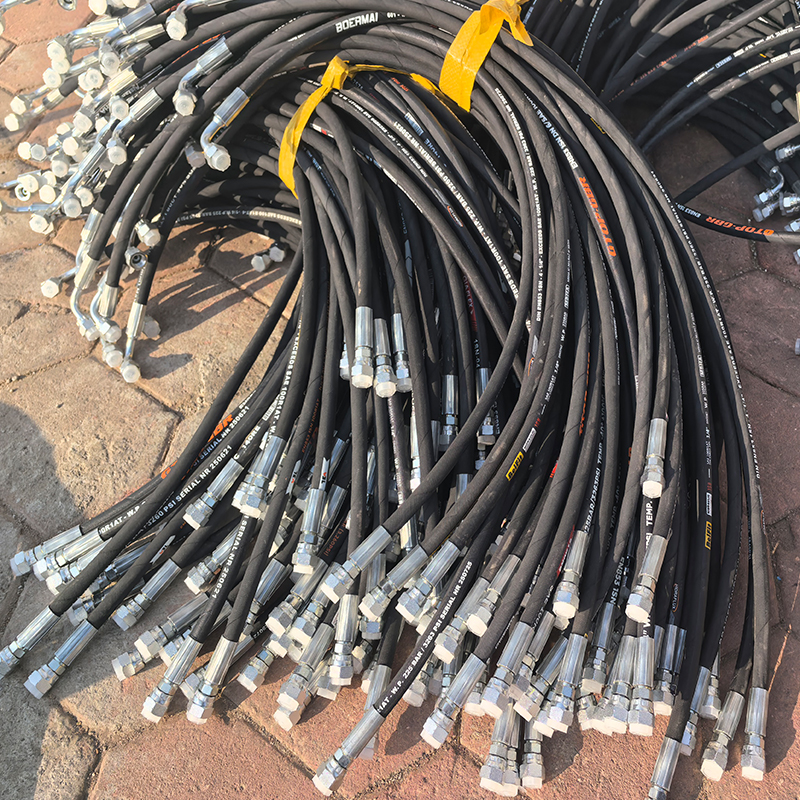 How to Create a Proactive Spiral Hydraulic Hose Replacement Plan That Prevents Downtime?
 Is Your Hydraulic System Overstressing? 5 Diagnostic Signs You Need to Upgrade to Spiral Hose
 Is Your Hydraulic System Pushing Limits? When to Specify Spiral Hose vs. Braided?
 Is Your Machinery Demanding More? Why Upgrade to a Spiral Hydraulic Hose?