
Wastewater treatment plants are critical infrastructure projects designed to process and purify contaminated water before it is released back into the environment. These facilities rely heavily on robust construction materials to prevent leaks, contamination, and structural failures. One such material often considered for sealing joints and preventing water infiltration is rubber waterstop. But is rubber waterstop suitable for the demanding conditions of a wastewater treatment plant? This article explores the viability of rubber waterstop in these settings, examining its properties, advantages, limitations, and best practices for use.
Understanding Rubber Waterstop
Rubber waterstop is a synthetic or natural rubber strip designed to seal concrete joints and prevent water migration. It is commonly used in infrastructure projects like dams, tunnels, basements, and reservoirs. Its flexibility, durability, and resistance to water make it a popular choice for applications where moisture control is essential.
The material is typically installed in concrete joints during construction. When the concrete cures, the waterstop forms a barrier that expands or contracts with temperature changes and structural movements, maintaining a watertight seal. Its composition often includes additives that enhance resistance to chemicals, UV rays, and aging, making it versatile for various environments.
Why Wastewater Plants Demand Specialized Materials
Wastewater treatment plants present unique challenges compared to typical construction projects. The water handled in these facilities contains high levels of corrosive chemicals, organic matter, and abrasive particles. Over time, these substances can degrade materials, leading to leaks, structural damage, and environmental hazards.
Additionally, wastewater plants experience constant exposure to moisture, microbial activity, and temperature fluctuations. The joints between concrete sections—such as walls, floors, and tanks—are particularly vulnerable to water ingress. If not properly sealed, these joints can become pathways for contaminants, compromising the plant’s efficiency and safety.
Given these conditions, any material used in wastewater plants must demonstrate exceptional resistance to chemical degradation, mechanical stress, and long-term durability.
Advantages of Rubber Waterstop in Wastewater Plants
Despite the harsh conditions, rubber waterstop offers several benefits that make it a viable option for wastewater applications:
Chemical Resistance: Many rubber waterstops are formulated to withstand exposure to mild acids, alkalis, and oils commonly found in wastewater. This resistance helps prevent premature deterioration and maintains the seal’s integrity.
Flexibility and Adaptability: Rubber’s inherent flexibility allows it to accommodate minor structural movements without cracking or losing its seal. This is crucial in wastewater plants, where ground settling or thermal expansion could otherwise compromise joints.
Ease of Installation: Rubber waterstop is relatively easy to install compared to alternative sealing methods. It can be bonded to concrete forms or retrofitted into existing joints, reducing labor costs and construction time.
Cost-Effectiveness: When properly specified, rubber waterstop provides a durable solution at a lower upfront cost than some advanced sealing technologies. Its longevity also reduces maintenance expenses over time.
Challenges and Limitations
While rubber waterstop has merits, it is not without drawbacks in wastewater environments:
Limited Resistance to Aggressive Chemicals: Some wastewater treatment processes involve highly corrosive substances, such as sulfuric acid (produced by anaerobic bacteria) or strong oxidizing agents. Standard rubber waterstop may not withstand prolonged exposure to these chemicals, leading to swelling, cracking, or disintegration.
Temperature Sensitivity: Extreme temperature fluctuations, common in outdoor wastewater facilities, can cause rubber to harden or become brittle over time. This reduces its flexibility and effectiveness as a seal.
Microbial Degradation: Bacteria present in wastewater can sometimes degrade rubber compounds, especially if the material lacks antimicrobial additives. This biological activity can shorten the waterstop’s lifespan.
Installation Errors: Poor installation—such as improper bonding, inadequate overlap, or damage during concrete pouring—can render rubber waterstop ineffective. In wastewater plants, where leaks are unacceptable, such errors can have severe consequences.
Best Practices for Using Rubber Waterstop in Wastewater Plants
To maximize the effectiveness of rubber waterstop in wastewater applications, consider the following guidelines:
Material Selection: Choose a rubber compound specifically engineered for wastewater environments. Look for formulations with high resistance to acids, alkalis, and microbial attack. Consult manufacturers for chemical compatibility charts.
Proper Installation Techniques: Ensure the waterstop is correctly positioned and securely anchored before concrete placement. Use approved adhesives or mechanical fasteners, and avoid stretching or puncturing the material.
Quality Control: Inspect the waterstop for defects before and during installation. Train construction teams on best practices to minimize human error.
Complementary Sealing Systems: Pair rubber waterstop with secondary sealing methods, such as epoxy coatings or flexible joint fillers, to enhance protection against leaks.
Regular Maintenance: Schedule periodic inspections to check for signs of wear, corrosion, or detachment. Address issues promptly to prevent escalating damage.
Alternatives to Rubber Waterstop in Wastewater Plants
In cases where rubber waterstop may not suffice, consider these alternatives:
Thermoplastic Vulcanizate (TPV) Waterstops: These materials combine rubber’s flexibility with thermoplastic’s processability, offering superior chemical resistance and durability.
PVC Waterstops: Ideal for applications requiring resistance to oils, fats, and mild acids. However, they may lack the flexibility of rubber in cold temperatures.
Metal Waterstops: Stainless steel or copper waterstops provide unmatched durability in high-stress or chemically aggressive environments but are more expensive and challenging to install.
Swelling Waterstops: These contain hydrophilic compounds that expand when exposed to water, creating a self-sealing joint. They are effective for minor leaks but may not replace primary sealing in critical areas.
Conclusion
Rubber waterstop can be a viable solution for sealing joints in wastewater treatment plants, provided the right material is selected and proper installation and maintenance protocols are followed. Its flexibility, cost-effectiveness, and chemical resistance make it suitable for many applications within these facilities. However, engineers and contractors must carefully evaluate the specific conditions of each project—including chemical exposure, temperature ranges, and structural requirements—to determine whether rubber waterstop is the best choice or if an alternative material would better serve the plant’s long-term needs.
By prioritizing material selection, quality installation, and proactive maintenance, wastewater treatment plants can leverage the benefits of rubber waterstop while mitigating its limitations, ensuring reliable, leak-free operation for decades to come.
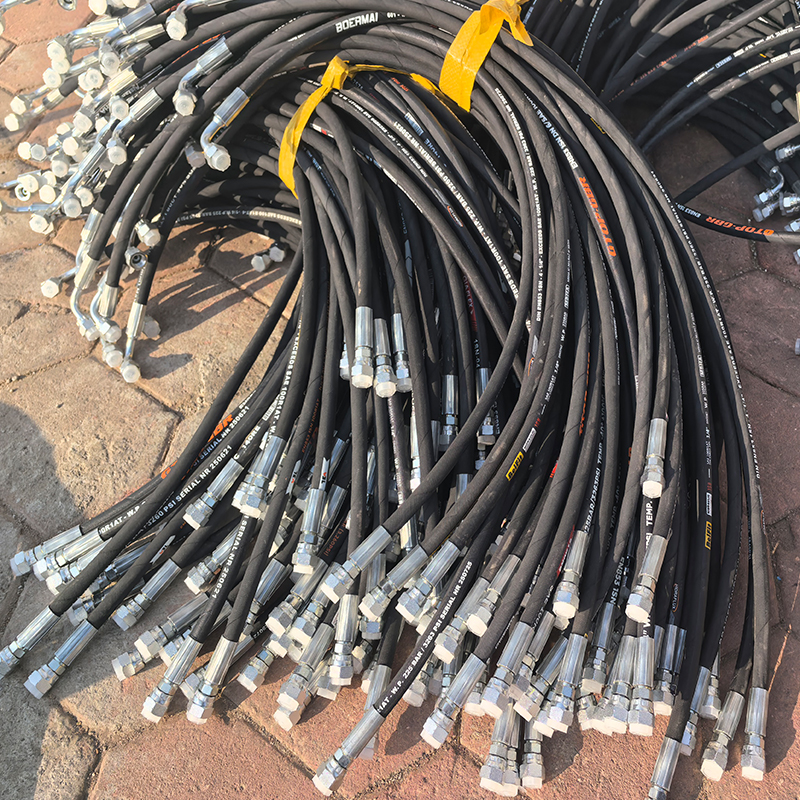 How to Create a Proactive Spiral Hydraulic Hose Replacement Plan That Prevents Downtime?
 Is Your Hydraulic System Overstressing? 5 Diagnostic Signs You Need to Upgrade to Spiral Hose
 Is Your Hydraulic System Pushing Limits? When to Specify Spiral Hose vs. Braided?
 Is Your Machinery Demanding More? Why Upgrade to a Spiral Hydraulic Hose?