
Waterstops are critical components in construction projects, designed to prevent water from seeping through concrete joints. When rubber waterstops fail, the consequences can range from minor inconveniences to severe structural damage. For homeowners, property managers, or DIY enthusiasts in the United States, understanding how to identify and troubleshoot leaks in rubber waterstops can save time, money, and headaches. This article provides a step-by-step guide to diagnosing and addressing common issues, ensuring long-term protection against water infiltration.
Understanding the Role of Rubber Waterstops
Before diving into troubleshooting, it’s essential to grasp why rubber waterstops are used. These flexible strips, typically installed in concrete joints during construction, act as barriers to water flow. They expand and contract with temperature changes, maintaining a tight seal. However, factors like improper installation, aging materials, or physical damage can compromise their effectiveness.
Common scenarios where leaks occur include basement walls, swimming pools, tunnels, and underground parking structures. Identifying the root cause early is key to preventing costly repairs.
Identifying the Signs of a Leak
The first step in troubleshooting is recognizing the symptoms of a failing waterstop. Water stains on walls or ceilings, dampness near joints, or visible mold growth are red flags. In outdoor structures, puddles forming around concrete seams or persistent dampness after rain are telltale signs.
For homeowners, inspecting areas prone to water exposure—such as basements, crawl spaces, or retaining walls—should be part of regular maintenance. Use a flashlight to check for discoloration, peeling paint, or a musty odor, which often accompanies hidden moisture.
Inspecting the Waterstop for Damage
Once a leak is suspected, visually inspect the rubber waterstop. Look for cracks, tears, or gaps where the material meets the concrete. Over time, exposure to UV rays, chemicals, or extreme temperatures can degrade rubber, causing it to harden, shrink, or crack.
Check for improper installation errors, such as inadequate bonding to the concrete or misalignment during pouring. If the waterstop wasn’t properly centered in the joint, water could bypass the seal. Additionally, ensure no debris—like dried concrete or dirt—is lodged in the seal, as this can create pathways for leaks.
Assessing the Surrounding Environment
Leaks aren’t always due to waterstop failure alone. External factors like hydrostatic pressure (water buildup in the soil) or poor drainage can overwhelm even well-installed seals. Inspect the area around the structure for clogged gutters, downspouts discharging water too close to the foundation, or improper grading that directs water toward the building.
In areas with high groundwater levels, such as coastal regions or flood-prone zones, the pressure on waterstops increases. Addressing these environmental issues first might resolve the leak without needing to replace the waterstop.
Temporary Fixes for Immediate Relief
While long-term solutions require professional intervention, temporary patches can mitigate damage until repairs happen. For minor leaks, apply a waterproof sealant designed for concrete joints. Clean the area thoroughly, let it dry, and then spread the sealant evenly over the affected section.
Another quick fix is using hydraulic cement for active leaks. This rapid-setting material expands as it cures, filling gaps and stopping water flow. However, remember these are stopgap measures—not permanent fixes.
When to Call a Professional
If the leak persists after DIY efforts, it’s time to consult a contractor specializing in waterproofing. Professionals have access to advanced tools like infrared cameras to detect hidden moisture and pressure testing equipment to pinpoint weak spots in the waterstop.
They can also recommend whether the waterstop needs repair or replacement. In some cases, injecting polyurethane or epoxy resins into the joint can restore the seal without extensive demolition.
Preventive Maintenance Tips
The best way to avoid future leaks is through proactive care. Schedule annual inspections of waterstops, especially in structures exposed to harsh weather or heavy use. Clean the seals gently with a soft brush to remove dirt or debris, and avoid using harsh chemicals that could degrade the rubber.
Consider applying a protective coating designed for waterstops to extend their lifespan. These coatings shield the material from UV rays and chemicals. Additionally, ensure proper drainage around the structure by maintaining gutters, extending downspouts away from the foundation, and sloping the ground away from buildings.
Conclusion
Troubleshooting rubber waterstop leaks requires a blend of observation, patience, and timely action. By understanding how waterstops work, recognizing early signs of failure, and addressing environmental factors, homeowners and property managers can protect their investments from water damage. While minor leaks might be fixable with DIY methods, don’t hesitate to call professionals for persistent issues. Remember, prevention is always cheaper than cure—regular maintenance and proactive care can keep waterstops functioning effectively for decades.
Whether you’re dealing with a leaky basement or a damp swimming pool, this guide equips you with the knowledge to tackle the problem head-on. Stay vigilant, act swiftly, and prioritize long-term solutions to enjoy a dry, worry-free environment.
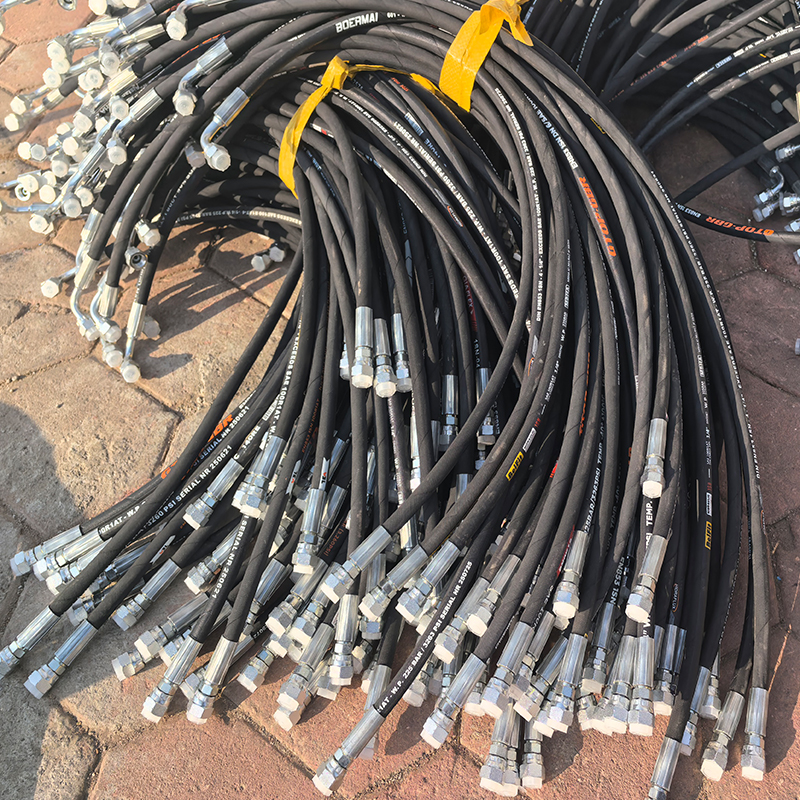 How to Create a Proactive Spiral Hydraulic Hose Replacement Plan That Prevents Downtime?
 Is Your Hydraulic System Overstressing? 5 Diagnostic Signs You Need to Upgrade to Spiral Hose
 Is Your Hydraulic System Pushing Limits? When to Specify Spiral Hose vs. Braided?
 Is Your Machinery Demanding More? Why Upgrade to a Spiral Hydraulic Hose?