
For many Americans who rely on their vehicles for daily commutes, weekend adventures, or heavy-duty work, maintaining mechanical reliability is non-negotiable. Yet, some components, like the hub oil seal, often fly under the radar until a problem arises. This small but critical part prevents lubricants from leaking and keeps contaminants out of wheel hubs, bearings, and drivetrain systems. Neglecting it can lead to costly repairs or even unsafe driving conditions. So, how often should this unsung hero be replaced? Let’s explore the factors influencing its lifespan and how to stay ahead of potential issues.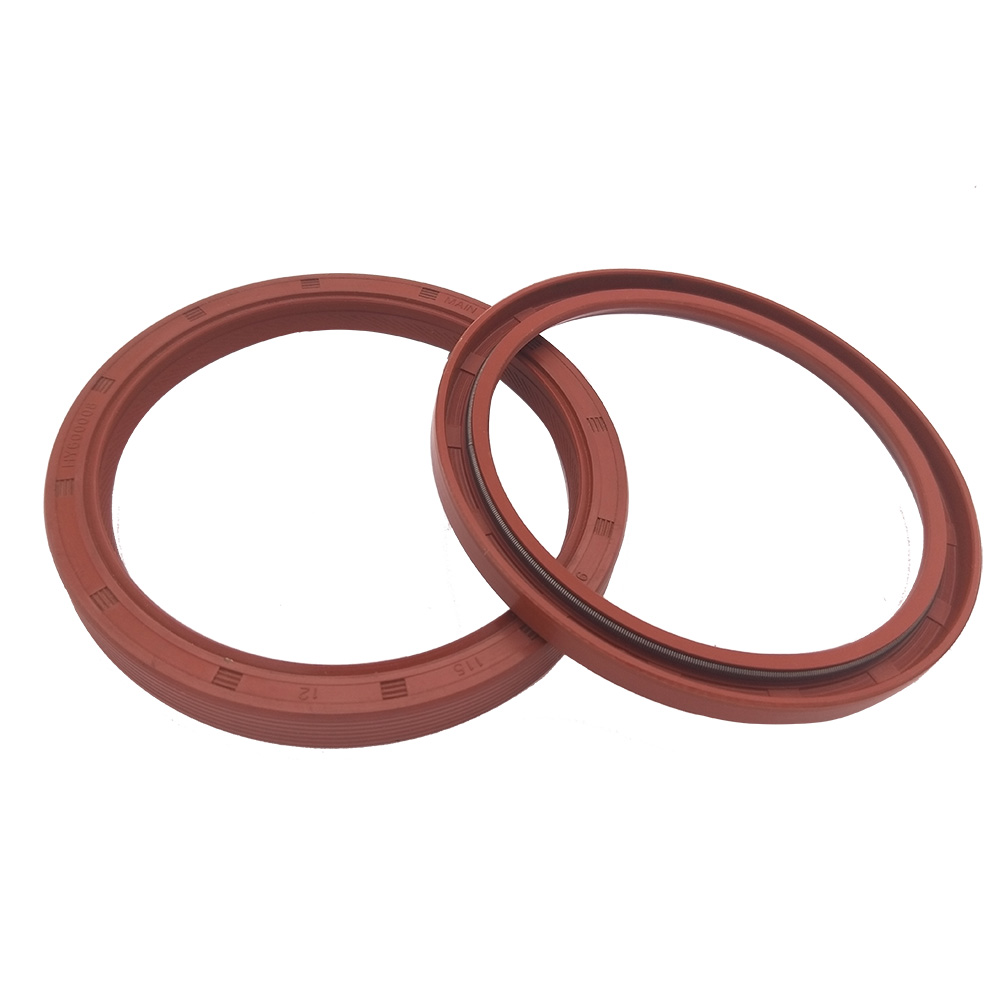
Understanding the Role of a Hub Oil Seal
Before diving into replacement intervals, it’s essential to grasp why this component matters. The hub oil seal acts as a barrier between the wheel hub assembly and external elements. It retains grease or oil needed to lubricate bearings while blocking dirt, water, and debris. Over time, exposure to heat, friction, and environmental contaminants causes wear, leading to leaks or failure. When a seal deteriorates, drivers might notice grease stains near the wheels, grinding noises, or excessive play in the hub. Ignoring these signs can damage bearings or even cause wheel detachment—a scenario no one wants on the highway.
Manufacturer Recommendations: A Starting Point
Vehicle manufacturers often provide maintenance guidelines, including seal replacement schedules. For many cars and trucks, hub oil seals are considered part of routine bearing or axle service. For instance, some automakers suggest inspecting seals every 50.000 miles and replacing them if wear is evident. Others tie replacements to major overhauls, such as axle repairs or wheel bearing changes. However, these recommendations are generalized. Driving habits, terrain, and climate play significant roles in a seal’s longevity, making it crucial to adapt guidelines to individual circumstances.
Driving Conditions: The Hidden Culprit
A vehicle’s environment and usage patterns heavily influence seal health. Consider these scenarios:
Off-Road Enthusiasts: Driving on muddy trails, rocky paths, or through deep water exposes seals to abrasive particles and pressure changes, accelerating wear.
Frequent Towing or Heavy Loads: The added stress on wheel hubs generates more heat, which can degrade seal material over time.
Stop-and-Go City Driving: Repeated braking and acceleration increase friction, potentially shortening a seal’s lifespan compared to highway driving.
Extreme Climates: Hot temperatures soften rubber seals, while cold climates make them brittle. Both extremes reduce effectiveness.
In such cases, inspecting seals annually—or even biannually—is wise, even if mileage is low.
Signs Your Hub Oil Seal Needs Attention
Waiting for a manufacturer’s suggested interval isn’t always practical. Proactive drivers should watch for these red flags:
Leaking Lubricant: Puddles of grease or oil under the wheel arch indicate a compromised seal.
Unusual Noises: A grinding or humming sound from the wheel area often points to damaged bearings due to a failed seal.
Excessive Hub Play: If the wheel wobbles when jacked up, worn seals might be letting contaminants into the bearing assembly.
Overheating Hubs: A failing seal can cause friction-induced heat, noticeable during long drives or heavy towing.
Addressing these symptoms early can prevent secondary damage to hubs, axles, or transmissions.
The DIY vs. Professional Replacement Debate
Replacing a hub oil seal isn’t rocket science, but it demands precision. For those with mechanical aptitude, the process involves removing the wheel, brake components, and hub assembly to access the seal. However, mistakes like improper installation or using incorrect tools can lead to premature failure. Additionally, some vehicles require specialized equipment to press in new seals without damaging them.
For most drivers, entrusting the job to a professional mechanic is safer. Certified technicians have the tools and expertise to diagnose related issues (e.g., worn bearings) and ensure the replacement aligns with factory specifications. This approach saves time and reduces the risk of costly do-overs.
Extending Seal Lifespan Through Preventative Care
While seals eventually wear out, proactive maintenance can stretch their service life:
Regular Inspections: Check for leaks or debris during routine tire rotations or oil changes.
Cleanliness: Avoid driving through deep puddles or mud when possible, and rinse the undercarriage after off-road trips.
Lubrication: Ensure wheel bearings are packed with fresh grease during service intervals, as dry bearings generate excess heat.
Quality Parts: When replacements are needed, opt for seals made from durable materials like silicone or high-grade rubber, which resist temperature extremes better than cheaper alternatives.
When in Doubt, Err on the Side of Caution
There’s no one-size-fits-all answer to replacement frequency, but a conservative approach benefits most drivers. If your vehicle is over five years old, has logged high mileage, or operates in harsh conditions, consider replacing seals preemptively during axle or bearing service. For newer cars with low mileage, stick to manufacturer guidelines but remain vigilant for early warning signs.
Final Thoughts
The hub oil seal may be small, but its impact on vehicle safety and performance is monumental. By understanding its role, monitoring driving conditions, and addressing issues promptly, Americans can keep their wheels turning smoothly for miles to come. Whether you’re a weekend warrior tackling rugged trails or a daily commuter navigating city streets, a little attention to this humble component goes a long way in avoiding headaches down the road.
 Is Your Hydraulic System Overstressing? 5 Diagnostic Signs You Need to Upgrade to Spiral Hose
 Is Your Hydraulic System Pushing Limits? When to Specify Spiral Hose vs. Braided?
 Is Your Machinery Demanding More? Why Upgrade to a Spiral Hydraulic Hose?
 Why Choose a Spiral Hydraulic Hose for Your High-Pressure Applications?