
In industries ranging from automotive manufacturing to household appliance production, rubber plugs play a critical yet often overlooked role. These small components seal gaps, prevent leaks, and protect sensitive systems from contaminants. However, their simplicity belies the importance of adhering to strict safety standards. For manufacturers and businesses serving the U.S. market, ensuring compliance isn’t just a legal obligation—it’s a cornerstone of trust and reliability. This guide explores practical steps to guarantee that rubber plugs meet the rigorous safety requirements expected by American consumers and regulatory bodies.
Understanding the Regulatory Landscape
The U.S. market enforces a web of safety standards tailored to specific industries. For example, the automotive sector references SAE (Society of Automotive Engineers) guidelines, while consumer electronics often align with ASTM (American Society for Testing and Materials) protocols. Food-grade applications may require compliance with FDA regulations, and medical devices must adhere to stringent FDA or ISO standards.
A common thread across these frameworks is the emphasis on material safety, durability, and performance under stress. Manufacturers must first identify which standards apply to their product’s intended use. Ignoring regional nuances—such as California’s Proposition 65. which mandates warnings for chemicals known to cause cancer—can lead to costly recalls or legal action. Proactive research and collaboration with regulatory experts are essential to navigate this complex landscape.
Material Selection: The Foundation of Safety
The composition of a rubber plug directly impacts its ability to meet safety standards. Non-toxic, hypoallergenic materials are non-negotiable for applications involving food, water, or medical use. For instance, silicone-based plugs are often preferred in healthcare settings due to their biocompatibility and resistance to extreme temperatures.
In industrial environments, plugs may need to withstand chemicals, oils, or UV exposure. Here, materials like nitrile rubber or EPDM (ethylene propylene diene monomer) shine due to their chemical resistance and longevity. Testing materials under simulated real-world conditions—such as prolonged exposure to heat or corrosive substances—helps identify weaknesses before products reach consumers.
Rigorous Testing Protocols
Compliance hinges on verifying that rubber plugs perform as expected in every scenario. Key tests include:
Tensile Strength: Ensures the plug won’t crack or tear under pressure.
Compression Set: Measures how well the plug retains its shape after repeated use.
Chemical Resistance: Confirms the material won’t degrade when exposed to specific substances.
Thermal Stability: Tests performance in extreme cold or heat, critical for automotive or outdoor applications.
Third-party laboratories often provide certification, adding credibility to claims of compliance. For example, UL (Underwriters Laboratories) certification is widely recognized in the U.S. as a mark of safety and quality.
Design Considerations for Functionality and Safety
A rubber plug’s design must balance form and function. Poorly fitted plugs can lead to leaks, contamination, or equipment failure. Ergonomic features, such as textured grips or easy-removal tabs, enhance usability while maintaining a secure seal.
Color-coding is another practical design element. In industrial settings, different colors can indicate plug sizes, materials, or intended applications, reducing the risk of misuse. For consumer products, intuitive designs that align with user expectations—such as a tapered shape for easy insertion—improve safety and satisfaction.
Documentation and Traceability: Building Trust
Transparency is key to compliance. Detailed records of material sources, testing results, and production batches create an audit trail that regulators and clients may request. Batch numbers and QR codes linking to certification documents can streamline this process.
In the event of a recall, traceability allows manufacturers to pinpoint affected products quickly, minimizing harm and reputational damage. Digital tools, such as cloud-based inventory systems, enhance accuracy and accessibility of these records.
Staying Ahead of Evolving Standards
Safety regulations are not static. New research, technological advancements, and public health concerns drive continuous updates to standards. For example, growing awareness of environmental toxins has led to stricter limits on certain chemicals in consumer goods.
Manufacturers should allocate resources to monitor regulatory changes, participate in industry associations, and engage in continuous education. Building flexibility into production processes—such as modular designs that accommodate material swaps—can future-proof products against shifting requirements.
The Business Case for Compliance
Beyond avoiding fines or legal repercussions, compliance drives long-term success. Safe, reliable products foster customer loyalty and open doors to partnerships with brands that prioritize ethical sourcing. In competitive markets, certification badges on packaging can serve as powerful differentiators.
Conversely, non-compliance risks irreparable damage. A single incident of product failure—such as a leaking plug causing electrical damage—can tarnish a company’s reputation and lead to lost contracts.
Conclusion: A Commitment to Excellence
Ensuring rubber plugs meet safety standards is a multifaceted endeavor that demands attention to detail at every stage of production. From material selection to design innovation and proactive regulatory engagement, each step reinforces a company’s dedication to quality and consumer well-being.
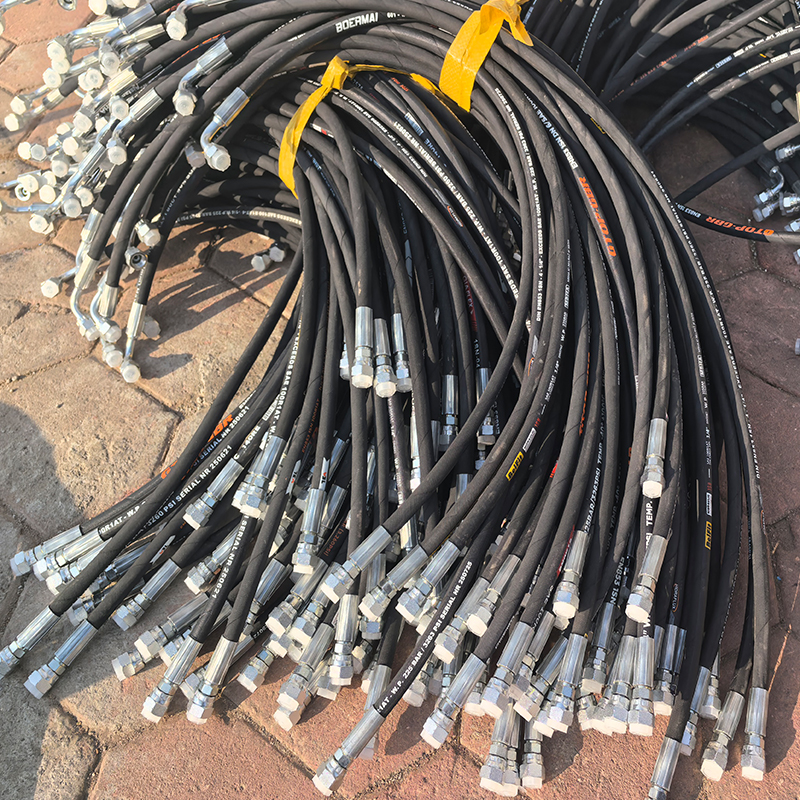 How to Create a Proactive Spiral Hydraulic Hose Replacement Plan That Prevents Downtime?
 Is Your Hydraulic System Overstressing? 5 Diagnostic Signs You Need to Upgrade to Spiral Hose
 Is Your Hydraulic System Pushing Limits? When to Specify Spiral Hose vs. Braided?
 Is Your Machinery Demanding More? Why Upgrade to a Spiral Hydraulic Hose?