
Rubber plugs are ubiquitous in industries ranging from automotive manufacturing to home maintenance, yet their durability remains a critical but often overlooked factor. These unassuming components play a vital role in sealing gaps, preventing leaks, and protecting sensitive equipment from environmental damage. For consumers and businesses alike, understanding what makes rubber plugs durable—and how to select the right one—can save time, money, and frustration. This article explores the science behind rubber plug longevity, common applications, and practical tips for maximizing their lifespan.
The Science Behind Rubber Durability
At its core, the durability of a rubber plug depends on its material composition and molecular structure. Natural rubber, derived from latex, and synthetic alternatives like neoprene or silicone each offer unique advantages. Natural rubber excels in flexibility and tear resistance, making it ideal for dynamic environments. Synthetic rubbers, however, often outperform in extreme temperatures or chemical exposure.
The cross-linking process during vulcanization—where rubber polymers are bonded with sulfur or other agents—determines hardness, elasticity, and resistance to wear. A well-vulcanized plug resists deformation under pressure, while poor processing can lead to brittleness or cracking. Additionally, additives like carbon black or antioxidants enhance UV resistance and prevent premature aging.
Key Factors Influencing Longevity
Several environmental and usage factors impact how long a rubber plug lasts. Temperature extremes, for instance, can cause rubber to expand or contract, leading to cracks over time. A plug exposed to freezing conditions might become rigid and prone to snapping, while one in high heat could soften and lose its seal.
Chemical exposure is another critical variable. Oils, solvents, or acidic substances can degrade rubber if the material isn’t chemically resistant. For example, a plug used in automotive fuel systems must withstand hydrocarbon exposure, whereas a household application might prioritize water resistance.
Mechanical stress, such as repeated insertion and removal or constant vibration, also plays a role. Plugs in high-traffic areas, like those sealing machinery ports, may wear faster than those in static environments.
Applications Where Durability Matters Most
Rubber plugs are indispensable in settings where failure could lead to costly damage or safety hazards. In the automotive industry, they seal engine components, fuel lines, and hydraulic systems, where exposure to heat, oil, and pressure demands robust materials. A compromised plug here could result in leaks, reduced efficiency, or even fires.
Construction and plumbing rely on rubber plugs to temporarily seal pipes during pressure testing or to block debris during renovations. These plugs must withstand water pressure and chemical cleaners without degrading.
In electronics manufacturing, rubber plugs protect sensitive ports from dust, moisture, and static discharge during shipping or storage. Here, the focus is on maintaining a tight seal over long periods without losing elasticity.
How to Choose the Right Rubber Plug
Selecting a durable rubber plug starts with assessing the application’s demands. Begin by identifying the operating environment: Will the plug face extreme temperatures, chemicals, or constant movement? For high-heat scenarios, silicone or fluorocarbon rubbers may be preferable, while neoprene suits oil-resistant needs.
Next, consider the plug’s physical requirements. Does it need to withstand frequent insertion and removal, or will it remain stationary? A plug for a machinery port might prioritize abrasion resistance, whereas one for a household appliance could focus on cost-effectiveness.
Finally, evaluate compatibility with existing systems. A plug that fits too loosely may fail to seal, while one that’s overly tight could damage the port. Manufacturers often provide guidelines on torque specifications or size tolerances to ensure proper fit.
Maintenance Tips to Extend Lifespan
Even the most durable rubber plug benefits from proper care. Regular inspections can catch early signs of wear, such as cracks, discoloration, or loss of elasticity. For plugs exposed to harsh chemicals, rinse them with clean water after use to remove residue.
Storage conditions also matter. Keep rubber plugs in a cool, dry place away from direct sunlight, which can accelerate UV degradation. Avoid stacking heavy objects on top of plugs, as prolonged pressure may cause deformation.
When replacing plugs, resist the urge to reuse old ones in critical applications. Even if a plug appears intact, internal degradation from heat or chemical exposure might compromise its performance.
Common Misconceptions About Rubber Plugs
One prevalent myth is that all rubber plugs are interchangeable. In reality, materials vary widely in their resistance to temperature, chemicals, and stress. Using a general-purpose plug in a specialized application often leads to premature failure.
Another misconception is that harder rubber automatically means better durability. While hardness can improve resistance to abrasion, overly rigid plugs may crack under thermal stress or fail to create an effective seal. Balance is key.
Finally, some believe that rubber plugs don’t require maintenance. While they’re low-maintenance compared to other components, neglecting signs of wear can lead to system failures down the line.
The Future of Rubber Plug Technology
Advancements in material science are pushing the boundaries of rubber plug durability. Self-healing elastomers, which can repair minor cracks through embedded microcapsules, are in development. These materials could extend plug lifespans in hard-to-reach areas.
Smart plugs embedded with sensors are another emerging innovation. These devices monitor environmental conditions like temperature or pressure and alert users to potential failures before they occur.
Sustainability is also driving change. Bio-based rubbers derived from renewable sources aim to reduce environmental impact without sacrificing performance. Recycled rubber blends are gaining traction in non-critical applications, offering a cost-effective and eco-friendly alternative.
Conclusion: Investing in Quality Pays Off
Rubber plugs may seem like minor components, but their durability directly impacts the reliability of entire systems. By understanding the factors that influence longevity—from material science to environmental conditions—users can make informed choices that prevent costly downtime and repairs. Whether in industrial settings or everyday household projects, prioritizing quality and proper maintenance ensures that rubber plugs continue to perform their essential role effectively.
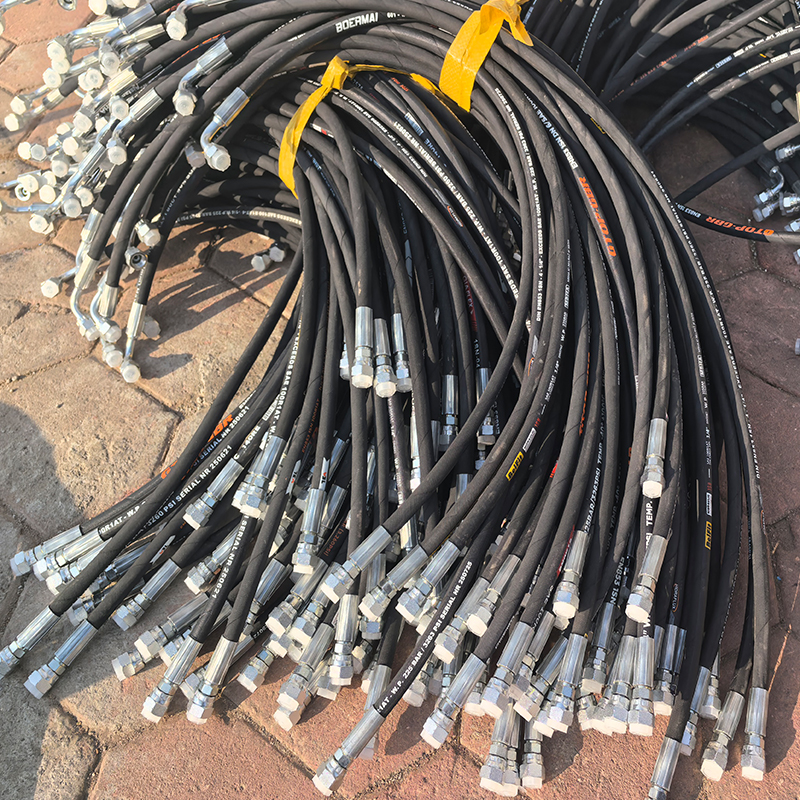 How to Create a Proactive Spiral Hydraulic Hose Replacement Plan That Prevents Downtime?
 Is Your Hydraulic System Overstressing? 5 Diagnostic Signs You Need to Upgrade to Spiral Hose
 Is Your Hydraulic System Pushing Limits? When to Specify Spiral Hose vs. Braided?
 Is Your Machinery Demanding More? Why Upgrade to a Spiral Hydraulic Hose?