
When it comes to industrial or heavy - duty applications, rubber inflatable airbags play a crucial role. These versatile components are used in a wide range of fields, from marine operations to construction projects. However, like any mechanical part, they are subject to wear and tear over time, and eventually, you may need to find replacement parts. Here's a comprehensive guide on how to go about it.
Understanding the Components of Rubber Inflatable Airbags
Before you start looking for replacement parts, it's essential to have a good understanding of the different components that make up a rubber inflatable airbag. The main body of the airbag is typically made of high - strength rubber material, which provides the necessary flexibility and durability. There are also valves, which are responsible for controlling the inflation and deflation of the airbag. These valves come in various types, such as quick - release valves and standard inflation valves, each with its own specific function.
In addition, some airbags may have additional features like reinforcement layers. These layers are added to enhance the airbag's ability to withstand high pressure and external forces. By knowing the different parts and their functions, you'll be better equipped to identify the exact replacement part you need when something goes wrong.
Assessing the Damage
The first step in finding replacement parts is to assess the damage to your rubber inflatable airbag. Is it a simple valve malfunction, or has the rubber body been punctured or torn? If it's a valve issue, you'll need to determine which type of valve needs replacing. For example, if the quick - release valve is not working properly, you'll specifically look for a replacement quick - release valve.
If the rubber body is damaged, you need to evaluate the extent of the damage. A small puncture can often be repaired with a patch kit, but a large tear or significant degradation of the rubber may require a more extensive replacement. In some cases, it might be more cost - effective to replace the entire airbag rather than just a part of it, especially if the damage is widespread.
Researching Suppliers
Once you know what replacement part you need, the next step is to research suppliers. There are several avenues you can explore. One option is to look for specialized industrial suppliers that deal with rubber products and related components. These suppliers often have a wide range of parts in stock and can provide expert advice on the best replacement for your specific airbag.
Another option is to search online marketplaces. Many online platforms offer a vast selection of industrial parts, including those for rubber inflatable airbags. When using online marketplaces, be sure to read customer reviews and check the seller's reputation. This will help you ensure that you're getting a high - quality replacement part from a reliable source.
You can also reach out to industry associations or forums. These are great places to connect with other professionals in your field who may have experience with finding replacement parts for rubber inflatable airbags. They can share their insights and recommend reputable suppliers.
Checking Compatibility
Compatibility is a crucial factor when choosing replacement parts for your rubber inflatable airbag. Not all parts are created equal, and using an incompatible part can lead to further damage or even safety hazards. Make sure that the replacement part you're considering is designed to work with your specific type of airbag.
Check the specifications of the original part and compare them with the replacement. Look at factors such as size, pressure rating, and material composition. If you're unsure about compatibility, don't hesitate to contact the supplier and ask for their advice. They should be able to provide you with detailed information to ensure that the part you're purchasing will fit and function properly.
Considering Quality and Durability
When it comes to replacement parts, quality and durability are of utmost importance. A low - quality part may seem like a cost - effective solution in the short term, but it's likely to wear out quickly and require frequent replacements. This can end up costing you more money in the long run and causing unnecessary downtime in your operations.
Look for replacement parts that are made from high - quality materials and are manufactured to strict standards. Check if the part comes with any warranties or guarantees. A reputable supplier will stand behind their products and offer some form of assurance that the part will perform as expected. Investing in a high - quality replacement part will save you time, money, and headaches in the future.
Installation and Maintenance
Once you've found the right replacement part, proper installation is essential. If you're not familiar with the installation process, it's best to hire a professional. Improper installation can lead to leaks, reduced performance, or even damage to the airbag. A professional installer will have the knowledge and tools to ensure that the replacement part is installed correctly.
 How Much Load Can a Bridge Bearing Pad Actually Carry? Engineering Data for Safe Girder Support
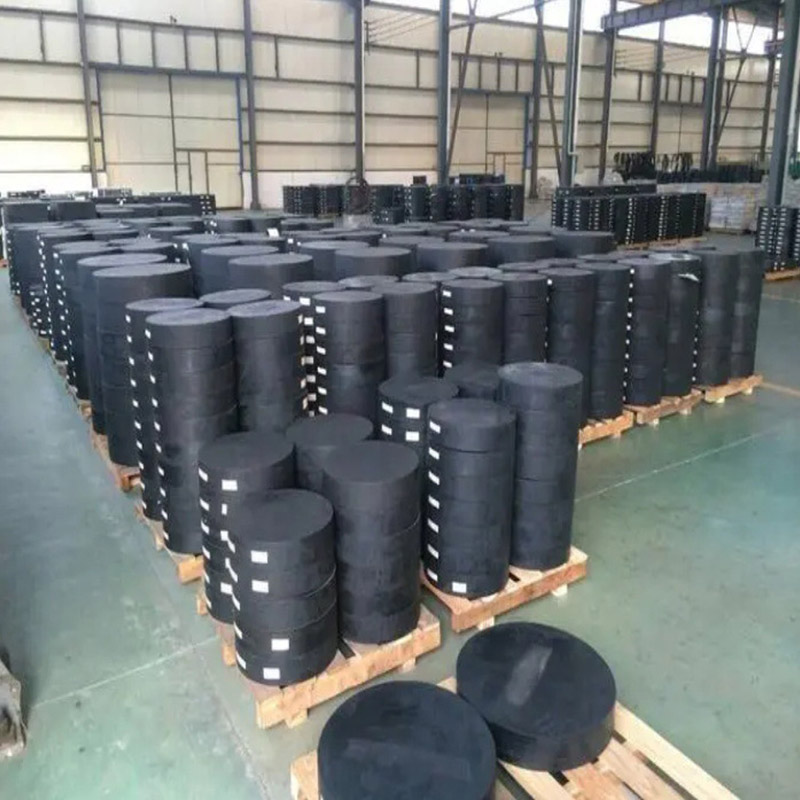 Is Your Bridge Bearing Pad Specified for the Wrong Rubber Grade? Why Elastomeric Bridge Bearing Pad Selection Decides 50-Year Deck Life
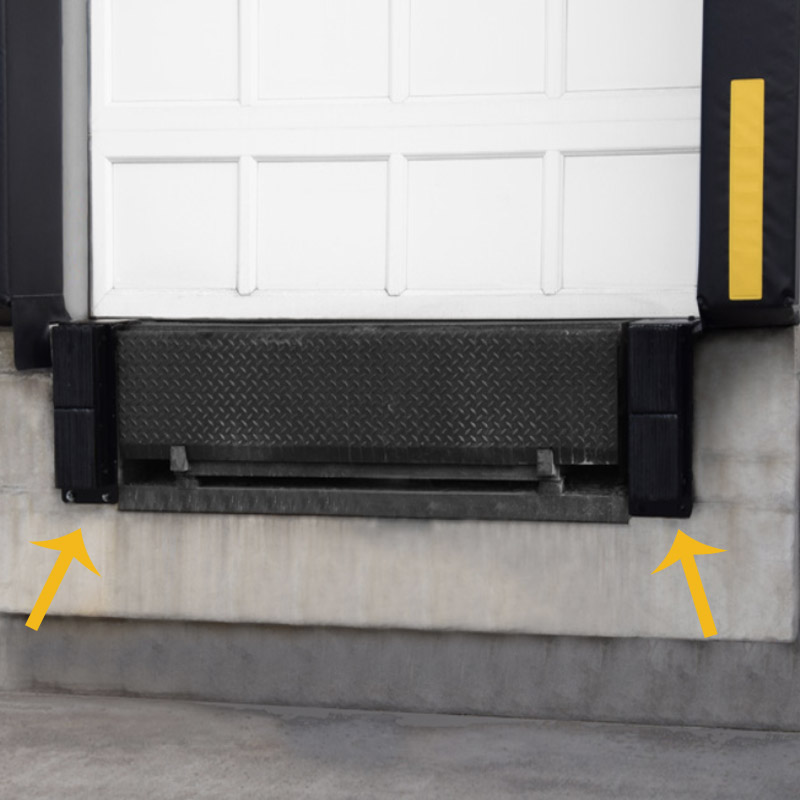 Can a Loading Dock Bumper Survive -30°C Winters and +50°C Summers? Here Is the Extreme-Weather Data
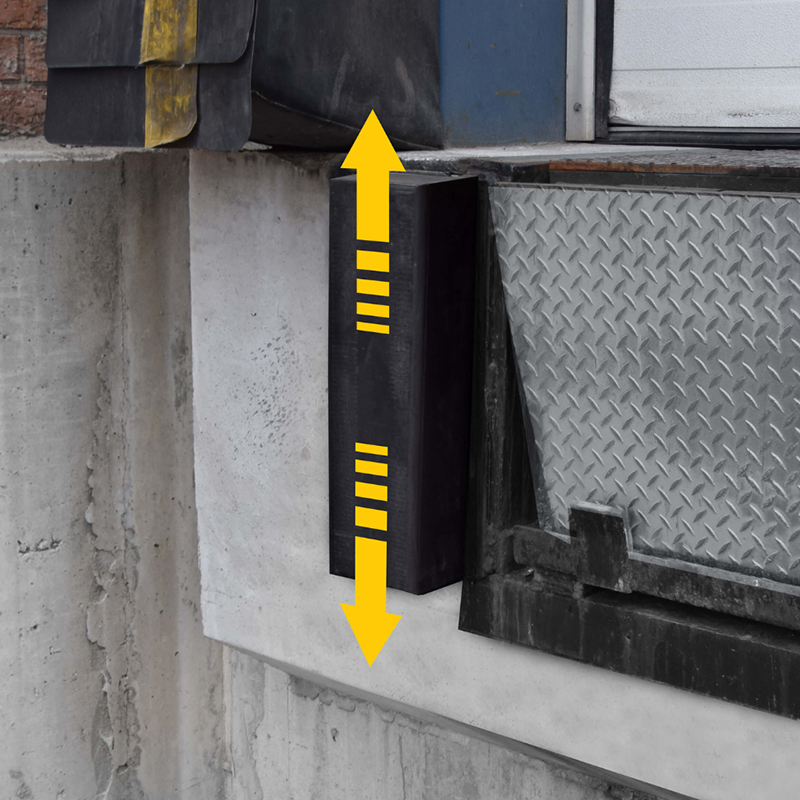 Are Your Dock Bumpers Specified for the Wrong Impact Profile? Why a Loading Dock Bumper with a Steel Face Outperforms in Real Traffic