
Rubber waterstops are essential components in construction, designed to prevent water leakage in joints and gaps. Over time, these materials can degrade, crack, or become displaced, leading to potential water damage. Removing old rubber waterstops requires careful planning and the right techniques to avoid damaging surrounding structures. This guide outlines a systematic approach to safely and effectively remove outdated or damaged rubber waterstops, ensuring a clean foundation for replacements.
Understanding the Role of Rubber Waterstops
Rubber waterstops are typically installed in concrete joints, such as those in basements, swimming pools, or foundations, to create a watertight seal. Exposure to weather, chemicals, and physical stress can cause them to harden, shrink, or develop mold. Identifying the type of waterstop (e.g., ribbed, dumbbell-shaped, or self-adhesive) and its condition is the first step in planning removal.
Essential Tools and Safety Precautions
Before starting the removal process, gather the necessary tools:
Utility knives or specialized cutting tools for slicing through rubber.
Pliers or pry bars to grip and lift stubborn sections.
Heat gun or hairdryer (on low settings) to soften hardened rubber.
Protective gear, including gloves and safety goggles, to avoid injuries from sharp edges or debris.
Ensure the workspace is well-ventilated, especially if using heat or chemical solvents.
Step-by-Step Removal Techniques
Softening the Rubber: Apply controlled heat to brittle sections using a heat gun or hairdryer. This makes the material more pliable and easier to cut or pry loose. Avoid overheating, as it may damage adjacent surfaces.
Cutting and Lifting: Use a utility knife to slice along the edges of the waterstop. For deeply embedded sections, gently pry upward with a flat-head screwdriver or pry bar. Work in small segments to maintain control and minimize residue.
Dealing with Adhesive Residue: If the waterstop was glued, apply a mild solvent (e.g., rubbing alcohol or baking soda paste) to dissolve leftover adhesive. Scrub gently with a soft-bristled brush to avoid scratching surfaces.
Cleaning and Preparing the Surface
After removing the rubber, clean the area thoroughly:
Eliminate Mold and Debris: Use a mixture of water and mild detergent, or a diluted bleach solution for mold-prone areas. Scrub with a brush to remove trapped dirt.
Dry Completely: Moisture can compromise new installations. Allow the surface to air-dry for at least 24 hours, or use fans to speed up the process.
Preventing Future Waterstop Damage
To extend the lifespan of new waterstops:
Regular Inspections: Check for cracks, gaps, or discoloration annually.
Avoid Harsh Chemicals: Clean with gentle solutions to prevent rubber degradation.
Ensure Proper Drainage: Redirect water away from vulnerable joints to reduce pressure on seals.
Common Challenges and Solutions
Stubborn Residue: For persistent adhesive, repeat solvent applications or use a plastic scraper. Avoid metal tools that might gouge surfaces.
Fragmented Rubber: If small pieces remain stuck, soak the area in warm, soapy water before attempting removal again.
Conclusion
Removing old rubber waterstops is a manageable task with the right approach. By prioritizing safety, using appropriate tools, and addressing residue thoroughly, homeowners can prepare surfaces for new, durable installations. Regular maintenance and proactive inspections further safeguard against water damage, ensuring long-term structural integrity.
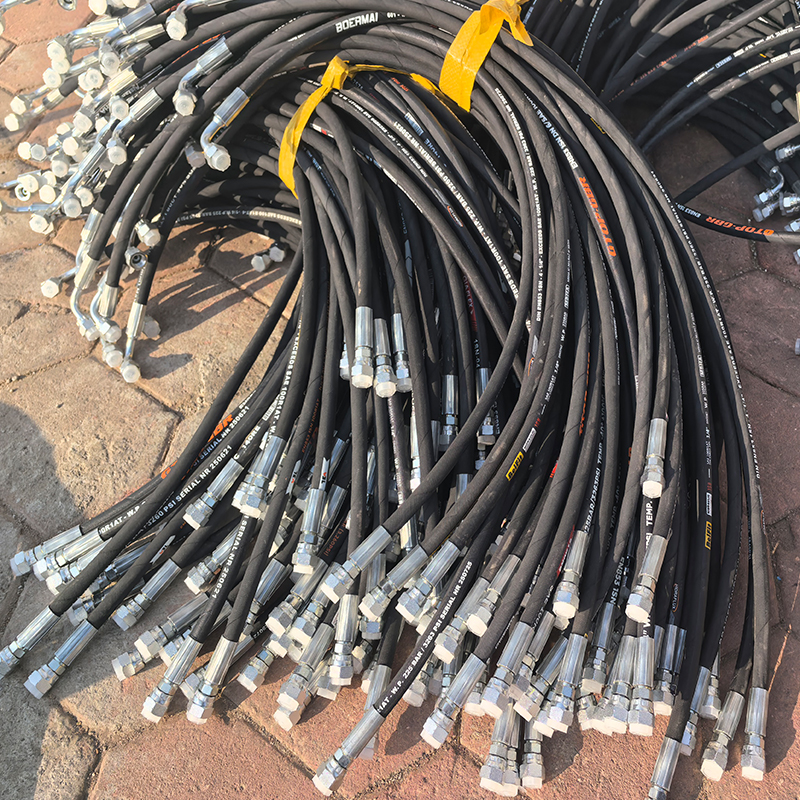 How to Create a Proactive Spiral Hydraulic Hose Replacement Plan That Prevents Downtime?
 Is Your Hydraulic System Overstressing? 5 Diagnostic Signs You Need to Upgrade to Spiral Hose
 Is Your Hydraulic System Pushing Limits? When to Specify Spiral Hose vs. Braided?
 Is Your Machinery Demanding More? Why Upgrade to a Spiral Hydraulic Hose?