
In the realm of industrial and scientific applications, cryogenics plays a pivotal role, involving the study and use of materials at extremely low temperatures. When it comes to sealing components in cryogenic environments, the choice of materials is critical, as conventional materials may fail or lose their effectiveness under such extreme conditions. Rubber plugs, though seemingly simple, are essential components in maintaining the integrity of systems operating at cryogenic temperatures. This article delves into the intricacies of selecting rubber plugs for cryogenic applications, focusing on the key factors to consider to ensure optimal performance and reliability.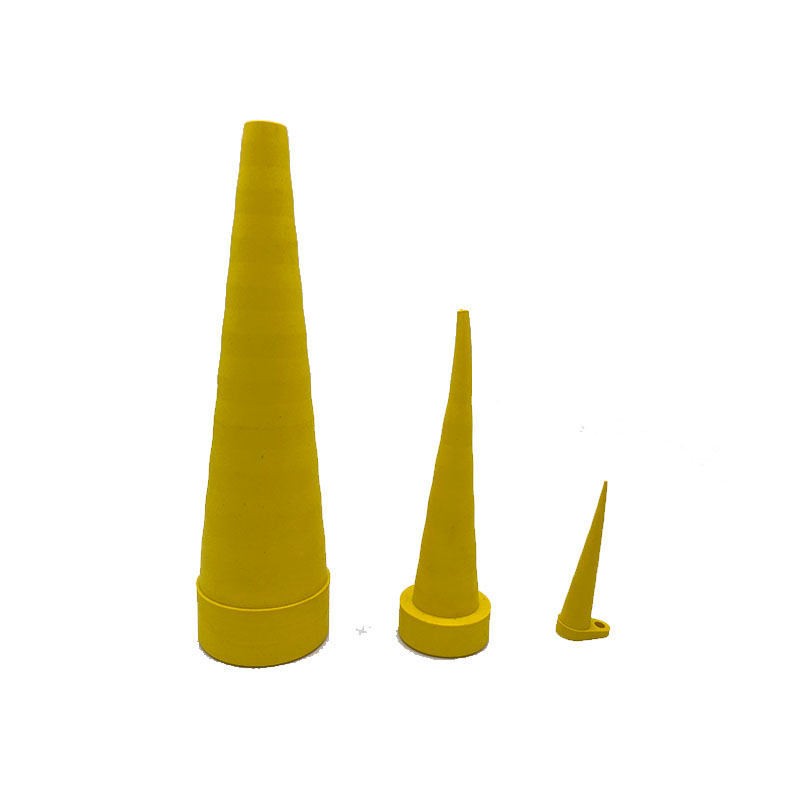
Understanding Cryogenic Temperatures
Cryogenic temperatures are typically defined as those below -150°C (-238°F). At these temperatures, materials behave differently compared to their behavior at ambient or elevated temperatures. Rubber, a commonly used material for seals and plugs, undergoes significant changes in its physical and chemical properties when exposed to cryogenic conditions. Therefore, not all rubbers are suitable for cryogenic applications.
Types of Rubbers Suitable for Cryogenics
Several types of rubbers have been specifically developed or are naturally suited for cryogenic environments. These include:
Elastomers with High Glass Transition Temperatures: The glass transition temperature (Tg) is the point at which a rubber changes from a rubbery state to a glassy, brittle state. For cryogenic applications, rubbers with low Tg values are preferred. Elastomers like silicone rubber, fluorosilicone, and some grades of nitrile rubber (NBR) exhibit relatively low Tg values, making them suitable for low-temperature use.
Specialty Rubbers: Materials such as fluoroelastomers (FKM), ethylene propylene diene monomer rubber (EPDM), and certain polyurethanes can also be engineered to withstand cryogenic conditions, although their suitability may vary depending on the specific compound and application.
Perfluoroelastomers: These are highly specialized rubbers known for their exceptional resistance to both high and low temperatures, as well as chemicals. They are often the material of choice for the most demanding cryogenic applications.
Factors to Consider When Selecting Rubber Plugs for Cryogenics
Choosing the right rubber plug for a cryogenic application involves a careful evaluation of several factors:
Temperature Range: The primary consideration is the temperature range the plug will be exposed to. Different rubbers have varying lower temperature limits. It's crucial to select a rubber that remains flexible and maintains its sealing properties at the lowest expected temperature.
Chemical Compatibility: Cryogenic systems may involve exposure to various chemicals, including coolants, lubricants, and process fluids. The chosen rubber must be compatible with these chemicals to avoid degradation or swelling, which could compromise the seal.
Mechanical Properties: At cryogenic temperatures, rubbers can become stiffer and more brittle, potentially leading to cracking or loss of elasticity. The rubber plug must retain sufficient flexibility and strength to maintain a tight seal under the mechanical stresses it will encounter.
Thermal Expansion and Contraction: The difference in thermal expansion coefficients between the rubber plug and the material it's sealing against can affect the seal's integrity. Rubber with a similar coefficient to the mating material is ideal to minimize thermal stress.
Wear and Abrasion Resistance: In dynamic applications, the rubber plug may experience wear due to repeated cycling or contact with moving parts. Selecting a rubber with good wear resistance ensures long-term reliability.
Cost and Availability: While performance is paramount, cost and availability are also important considerations. Some specialty rubbers may be expensive or difficult to source, necessitating a balance between performance and practicality.
Testing and Qualification
Before finalizing the selection of a rubber plug for a cryogenic application, it's essential to conduct thorough testing. This may include:
Low-Temperature Flexibility Tests: To assess the rubber's ability to remain flexible at the lowest expected operating temperature.
Chemical Compatibility Tests: To ensure the rubber does not degrade or swell when exposed to the specific chemicals in the cryogenic system.
Seal Integrity Tests: To verify that the plug maintains a tight seal under the expected pressure and temperature conditions.
Accelerated Aging Tests: To simulate long-term exposure to cryogenic temperatures and predict the rubber's lifespan in the application.
Design Considerations
The design of the rubber plug also plays a crucial role in its performance in cryogenic applications. Factors such as the plug's shape, size, and durometer (hardness) must be carefully considered. A well-designed plug will:
Fit securely in the mating component, ensuring a tight seal without excessive force.
Have a durometer that balances flexibility and strength for the specific application.
Be easy to install and remove, even at low temperatures.
Selecting the right rubber plug for cryogenic applications is a complex process that requires a deep understanding of the materials' behavior at extremely low temperatures, as well as the specific requirements of the application. By considering factors such as temperature range, chemical compatibility, mechanical properties, thermal expansion, wear resistance, and cost, and by conducting thorough testing and qualification, engineers can ensure that the rubber plugs they choose will perform reliably in even the harshest cryogenic environments.
In summary, the key to successful rubber plug selection for cryogenics lies in a meticulous evaluation of material properties, application demands, and design considerations. With the right approach, engineers can ensure the integrity and reliability of their cryogenic systems, enabling them to operate efficiently and effectively in some of the most challenging conditions known to science and industry.
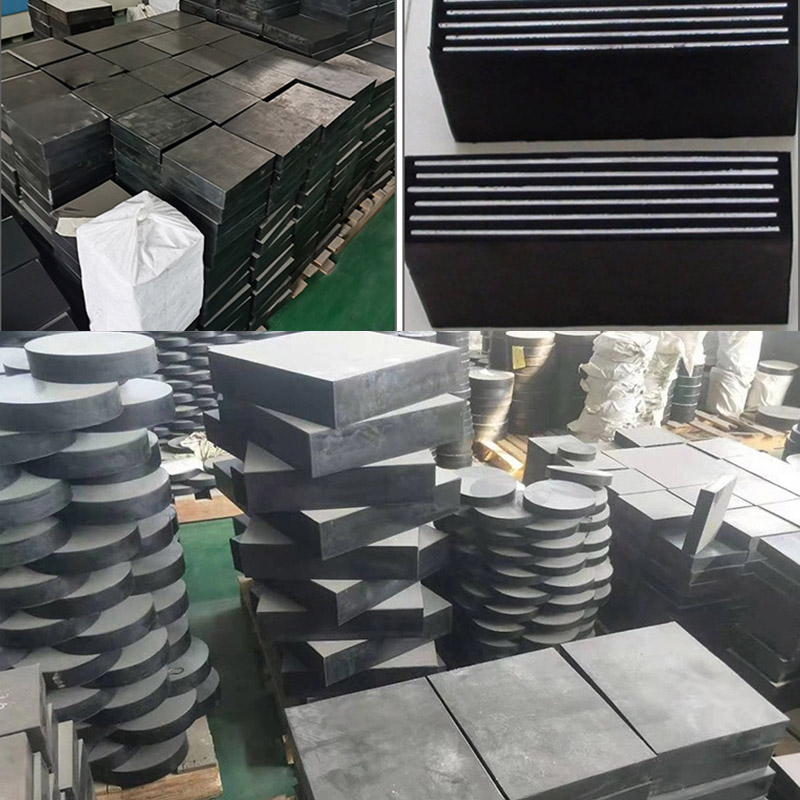 How Do You Verify a Bridge Bearing Pad Will Perform for 30 Years Before Installation?
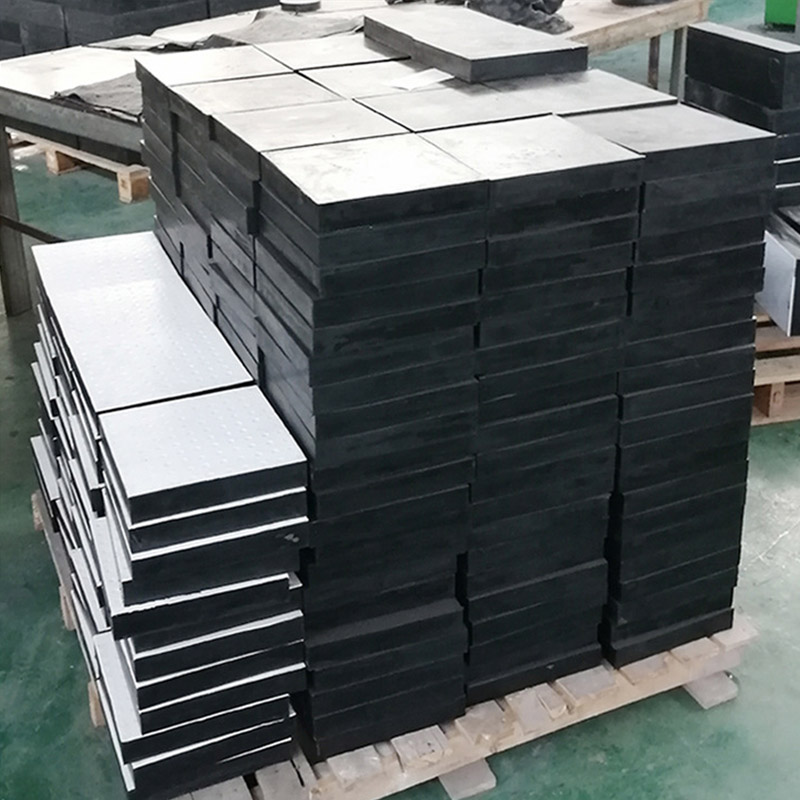 Why Do Some Bridge Bearing Pads Fail in Five Years While Others Last Fifty? A Root-Cause Analysis
 How Much Load Can a Bridge Bearing Pad Actually Carry? Engineering Data for Safe Girder Support
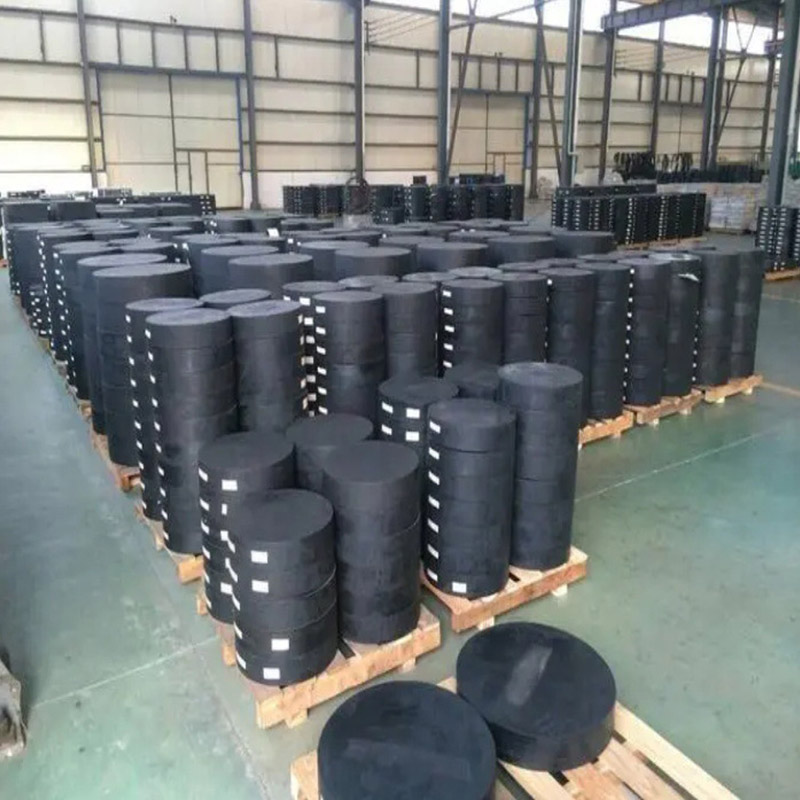 Is Your Bridge Bearing Pad Specified for the Wrong Rubber Grade? Why Elastomeric Bridge Bearing Pad Selection Decides 50-Year Deck Life