
The production of rubber plugs, though not explicitly detailed in a step-by-step manner in public domain knowledge, can be inferred to involve several crucial stages based on a general understanding of rubber product manufacturing. These processes are intricate and require precision at every juncture to ensure the final product meets the desired specifications. This article aims to shed light on the potential manufacturing processes involved in the production of rubber plugs, highlighting the key aspects without delving into proprietary or sensitive information.
Mold Fabrication: The Foundation of Precision
The journey of crafting a rubber plug begins with the creation of a precise mold. This phase encompasses both the design and manufacture of the mold, which serves as the blueprint for the rubber plug's shape and dimensions. The quality of the mold is paramount, as it directly influences the dimensional accuracy and surface finish of the final rubber plug. Skilled technicians utilize advanced computer-aided design (CAD) software to meticulously design the mold, ensuring every contour and detail is precise. Subsequently, the mold is manufactured using high-grade materials, often through a combination of machining and other fabrication techniques, to guarantee durability and reliability throughout the production cycle.
Material Selection and Preparation: The Backbone of Quality
Choosing the right rubber compound is a critical step in the manufacturing process. Depending on the specific requirements of the rubber plug, such as resistance to temperature, chemicals, or abrasion, various types of rubber materials can be selected. Natural rubber, butyl rubber, and other specialized elastomers are among the options considered. The selected rubber is then carefully compounded, which involves mixing it with various additives like stabilizers, accelerators, and pigments to enhance its properties. This process requires a deep understanding of rubber chemistry and precise control over the mixing ratios to achieve the desired characteristics for the rubber plug.
Vulcanization: Enhancing Physical Properties
Vulcanization is a cornerstone in rubber processing, transforming the raw rubber compound into a durable and resilient material. This process involves subjecting the rubber to heat and pressure, facilitating the cross-linking of rubber molecules. This chemical reaction significantly improves the rubber's physical and mechanical properties, making it stronger, more elastic, and resistant to wear and tear. The vulcanization process is carefully monitored, with precise control over temperature, pressure, and time to ensure optimal results. Depending on the rubber compound and the desired properties of the rubber plug, different vulcanization techniques and parameters may be employed.
Molding: Shaping the Future
With the mold prepared and the rubber compound ready, the next step is the molding process. The mixed rubber is introduced into the mold through various methods, such as injection molding, compression molding, or transfer molding. Injection molding involves forcing the molten rubber into the mold under high pressure, while compression molding relies on applying pressure to a preheated rubber compound placed in an open mold. Transfer molding, on the other hand, combines elements of both injection and compression molding, using a plunger to transfer the rubber into the mold. Each method has its advantages and is chosen based on the complexity of the rubber plug design, the material being used, and the desired production volume.
Post-Processing: Perfecting the Details
Once the rubber plug has been molded, it undergoes a series of post-processing steps to refine its appearance and ensure it meets quality standards. This may include trimming excess rubber, known as flash, from the mold parting lines and other areas. The rubber plug is then inspected for defects, such as bubbles, cracks, or inconsistencies in color or texture. Advanced quality control measures, including visual inspections and, in some cases, automated inspection systems, are employed to catch any imperfections. After passing inspection, the rubber plugs are packaged carefully to protect them during storage and transportation, ensuring they reach customers in pristine condition.
Quality Control: The Guardian of Excellence
Quality control is an integral part of the rubber plug manufacturing process, spanning from the selection of raw materials to the final product. Rigorous testing protocols are in place at every stage, starting with the inspection of incoming raw materials to ensure they meet the specified standards. Throughout the production process, semi-finished products are monitored and tested to detect any deviations from the expected quality. The finished rubber plugs undergo comprehensive testing to verify their dimensions, physical properties, and performance characteristics. This commitment to quality control not only ensures that each rubber plug meets the required specifications but also enhances customer satisfaction and trust in the product.
In addition to the aforementioned processes, the manufacturing of rubber plugs may involve other specialized steps depending on the specific application and customer requirements. For instance, some rubber plugs may require additional coatings or treatments to enhance their resistance to certain environments or to provide additional functionality. These additional processes are carefully integrated into the manufacturing workflow to ensure they do not compromise the overall quality or performance of the rubber plugs.
Moreover, the manufacturing facility itself plays a crucial role in the production process. It must be equipped with state-of-the-art machinery, advanced quality control equipment, and a highly skilled workforce to ensure the efficient and precise manufacture of rubber plugs. The facility should also adhere to strict safety and environmental regulations, promoting a sustainable and responsible manufacturing practice.
In conclusion, the manufacturing of rubber plugs is a multifaceted process that requires precision, expertise, and a commitment to quality at every stage. From the initial mold design and fabrication to the final packaging and quality control, each step is critical in ensuring the production of high-quality rubber plugs that meet the exacting standards of customers. By understanding and meticulously following these manufacturing processes, manufacturers can deliver reliable and durable rubber plugs that serve their intended purpose effectively.
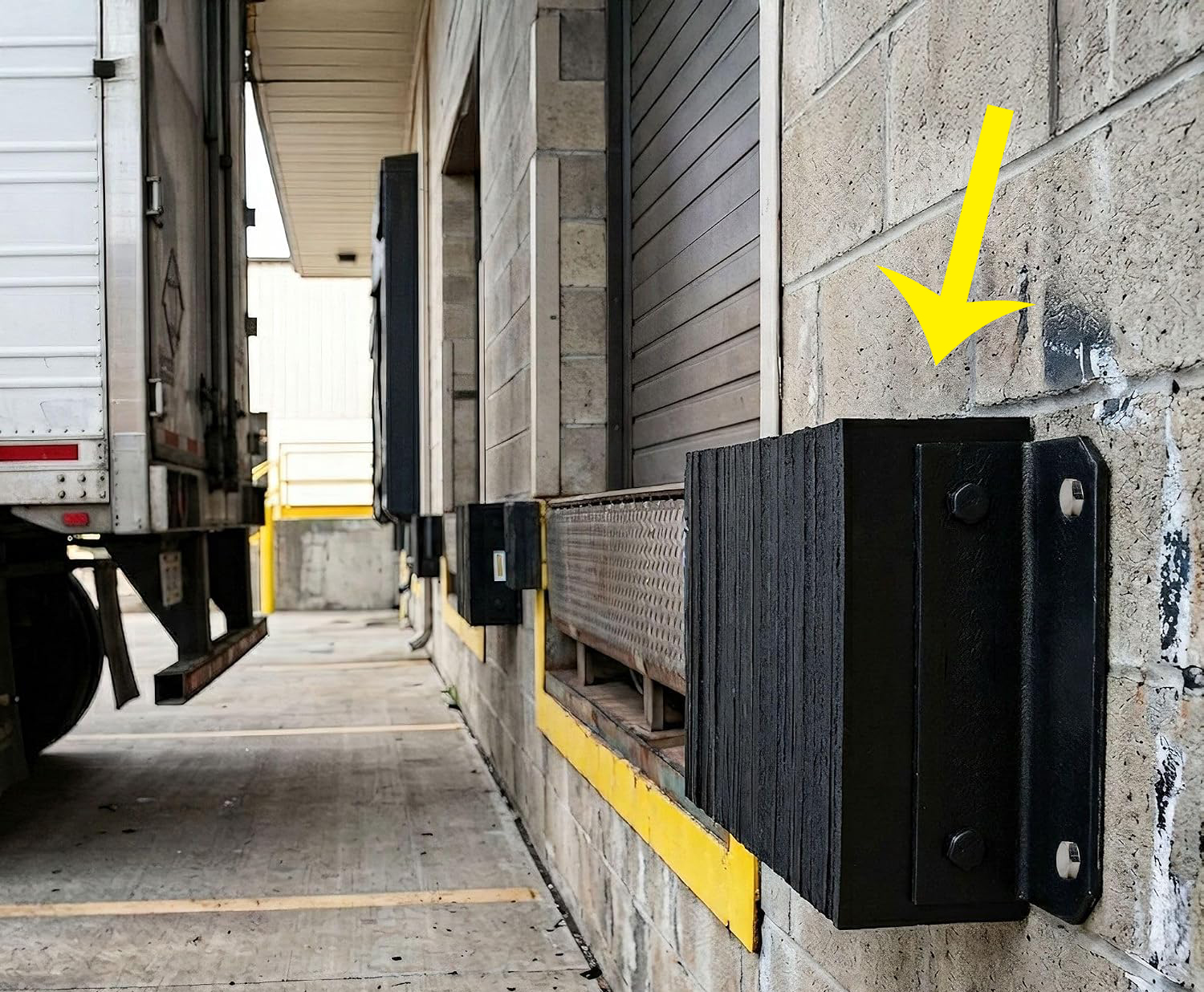 Rubber Laminated Loading Dock Bumper with Steel Angle: 5 Field Failure Signs That Point Back to the RFQ
 Bridge Bearing Pad Field Failure: 5 Visual Signs Before It Retires (And What Caused It)
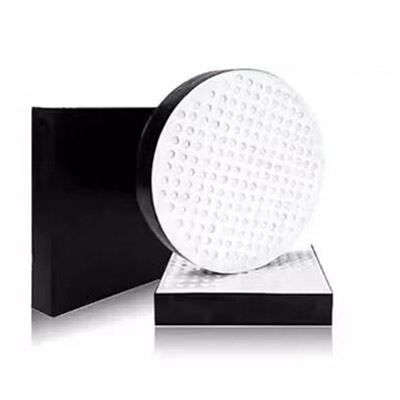 Bridge Bearing Pad RFQ Checklist: 9 Lines That Stop Suppliers From Subbing the Rubber
 Laminated Rubber Bearing: Maintenance and Inspection Protocols