
In the realm of materials science and engineering, understanding the factors that influence the lifespan of various components is crucial for ensuring the reliability and durability of systems. One such component that often plays a critical role in sealing and protecting mechanical systems is the rubber plug. These unassuming yet essential devices are found in a myriad of applications, from automotive engines to industrial machinery, where they prevent the ingress of moisture, dirt, and other contaminants. However, like all materials, rubber plugs are susceptible to degradation over time, with one significant factor being exposure to ozone.
Ozone, a triatomic oxygen molecule (O₃), is a highly reactive gas that exists naturally in the Earth's stratosphere, where it acts as a protective shield against harmful ultraviolet radiation. However, at ground level, ozone is considered a pollutant and can have detrimental effects on both human health and materials. When it comes to rubber, ozone exposure can lead to a series of chemical reactions that compromise the material's integrity, ultimately affecting its lifespan.
The impact of ozone on rubber can manifest in several ways, including surface cracking, hardening, and loss of elasticity. One of the most visible effects is ozone cracking, also known as surface ozone cracking or ozone-induced cracking. This phenomenon occurs when the rubber's surface is exposed to ozone, leading to the formation of tiny cracks that can grow and eventually lead to the failure of the material. Ozone cracking is particularly prevalent in rubber components that are under constant stress or strain, such as those found in dynamic sealing applications.
The mechanism behind ozone cracking involves the breakdown of the rubber's polymer chains. Rubber is composed of long chains of molecules that are cross-linked to give the material its characteristic elasticity and strength. When ozone molecules come into contact with the rubber surface, they can react with the double bonds present in the polymer chains. This reaction leads to the formation of short, brittle chains and the release of small molecules such as aldehydes and ketones. Over time, these chemical changes weaken the rubber, making it more susceptible to cracking.
In addition to surface cracking, ozone exposure can also cause rubber to harden. This process, known as ozone hardening, occurs when the chemical reactions induced by ozone lead to an increase in the cross-link density of the rubber. As the number of cross-links increases, the material becomes less flexible and more brittle. Ozone hardening can significantly reduce the effectiveness of rubber plugs, particularly in applications where a tight seal is required. A hardened rubber plug may not be able to conform to the surface it is sealing, leading to leaks and potential system failures.
The loss of elasticity is another consequence of ozone exposure. Rubber's ability to return to its original shape after being deformed is a critical property for many applications. However, ozone-induced chemical changes can disrupt the polymer chains, reducing the material's elasticity. This can result in a rubber plug that is unable to maintain a secure seal under varying pressures and temperatures.
Several factors can influence the severity of ozone's impact on rubber plugs. These include the type of rubber material, the concentration of ozone, the temperature, and the duration of exposure. Different rubber compounds have varying levels of resistance to ozone. For example, rubbers that contain antioxidants and antiozonants are more resistant to ozone-induced degradation than those that do not. These additives can help to scavenge ozone molecules and prevent them from reacting with the polymer chains.
The concentration of ozone in the environment is another critical factor. Higher ozone levels will accelerate the degradation process, leading to more rapid surface cracking, hardening, and loss of elasticity. Unfortunately, ground-level ozone concentrations can vary significantly depending on location, time of day, and weather conditions. In urban and industrial areas, where ozone levels are often higher due to pollution, rubber components may degrade more quickly.
Temperature also plays a role in the impact of ozone on rubber. At higher temperatures, the chemical reactions that lead to ozone-induced degradation occur more rapidly. This means that rubber plugs operating in high-temperature environments are more susceptible to ozone damage than those in cooler conditions. Additionally, the duration of exposure is a crucial factor. The longer a rubber plug is exposed to ozone, the more severe the degradation will be.
To mitigate the effects of ozone on rubber plugs, several strategies can be employed. One approach is to select rubber compounds that are specifically formulated to resist ozone degradation. These compounds often contain antioxidants and antiozonants that can help to protect the polymer chains from chemical attack. Another strategy is to design rubber components with thicker walls or additional protective coatings. Thicker walls can provide a greater barrier against ozone penetration, while protective coatings can help to scavenge ozone molecules before they reach the rubber surface.
In some cases, it may be necessary to shield rubber components from ozone exposure entirely. This can be achieved by using materials such as metal or plastic to create a physical barrier between the rubber and the ozone. However, this approach may not always be feasible, particularly in applications where the rubber plug must be exposed to the environment.
In conclusion, the impact of ozone on rubber plug lifespan is a complex issue that involves a series of chemical reactions and material properties. Ozone exposure can lead to surface cracking, hardening, and loss of elasticity, all of which can compromise the effectiveness and reliability of rubber components. By understanding the factors that influence ozone-induced degradation and employing strategies to mitigate its effects, engineers and materials scientists can help to extend the lifespan of rubber plugs and ensure the continued performance of the systems they protect.
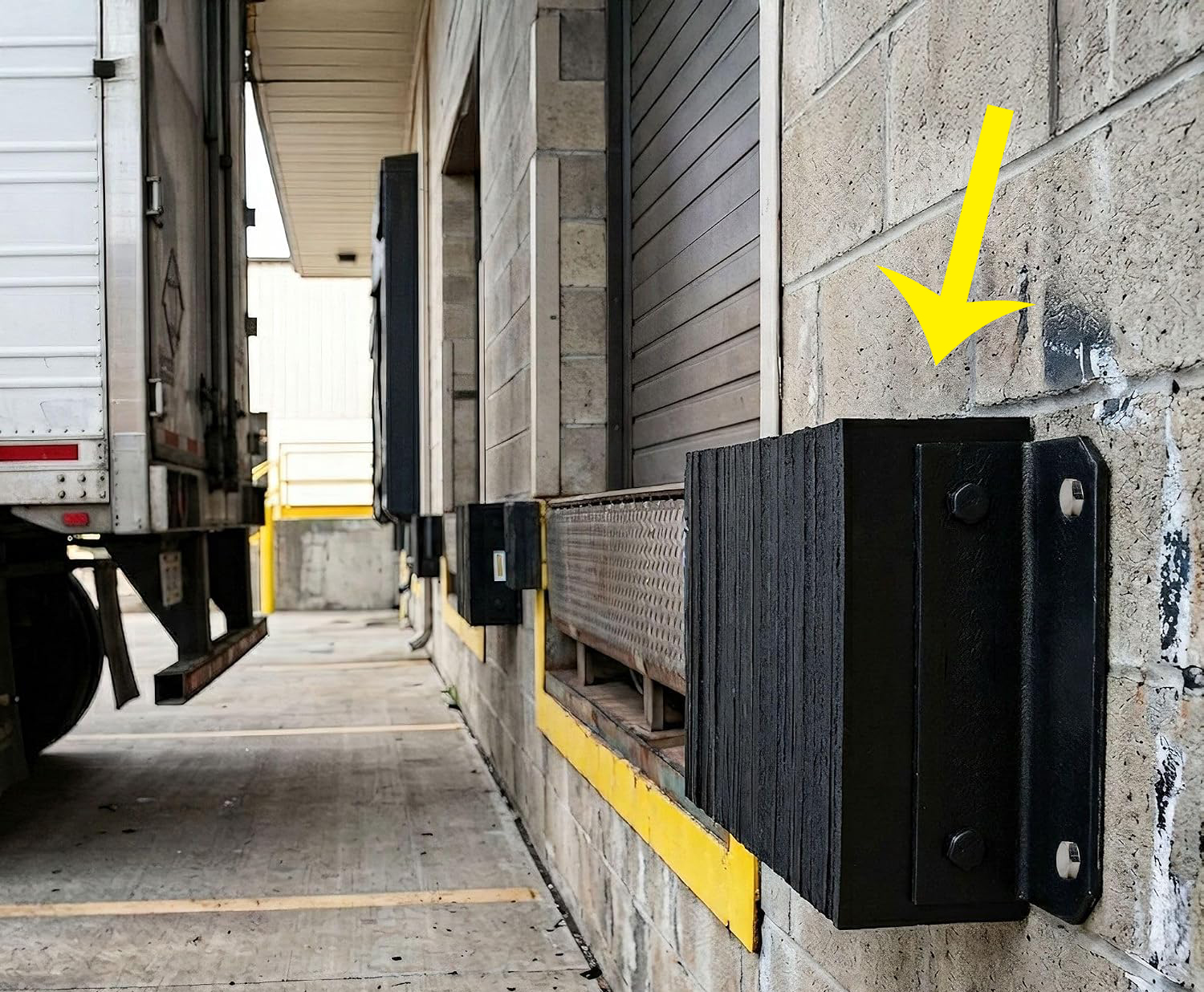 Rubber Laminated Loading Dock Bumper with Steel Angle: 5 Field Failure Signs That Point Back to the RFQ
 Bridge Bearing Pad Field Failure: 5 Visual Signs Before It Retires (And What Caused It)
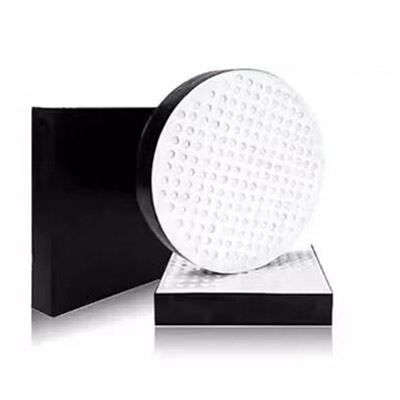 Bridge Bearing Pad RFQ Checklist: 9 Lines That Stop Suppliers From Subbing the Rubber
 Laminated Rubber Bearing: Maintenance and Inspection Protocols