
In the realm of electrical engineering and maintenance, ensuring proper insulation is paramount to the safety and efficiency of electrical systems. One often-overlooked yet crucial component in this context is the rubber plug. These unassuming devices play a vital role in sealing electrical connections, preventing moisture ingress, and maintaining the integrity of insulation. This article delves into the world of rubber plugs for electrical insulation, exploring their types, applications, benefits, and the considerations involved in their selection and installation.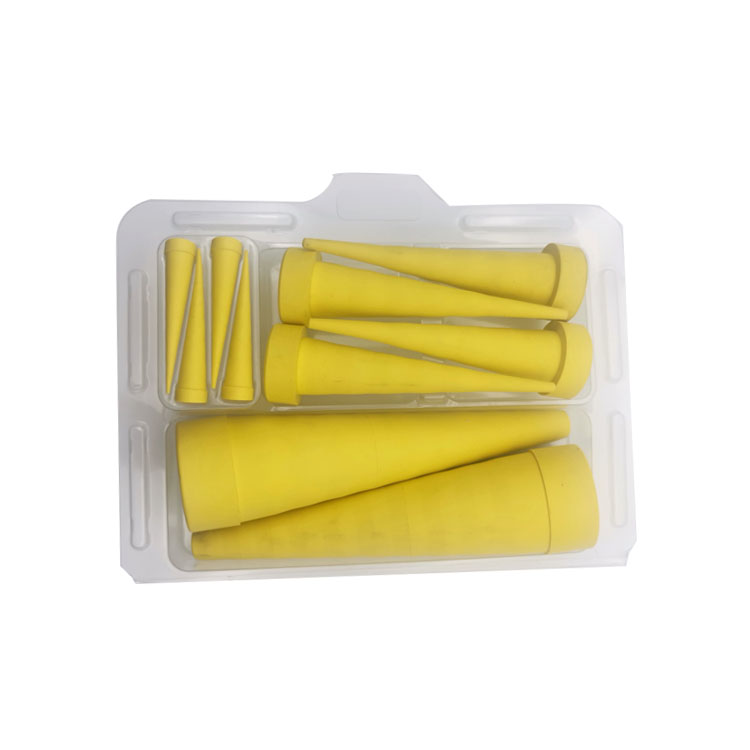
Understanding the Importance of Electrical Insulation
Electrical insulation is a fundamental aspect of any electrical system. It serves as a barrier between live electrical parts and other components or the environment, preventing the flow of current where it is not intended. Proper insulation reduces the risk of short circuits, electrical shocks, and fires, thereby enhancing the overall safety and reliability of the system.
Rubber plugs are one of the many tools used to maintain this critical insulation. They are typically employed in various applications, including electrical connectors, terminals, and junction boxes, to seal off openings and protect against environmental factors such as dust, moisture, and chemicals.
Types of Rubber Plugs for Electrical Insulation
Rubber plugs come in a variety of shapes, sizes, and materials, each suited to specific applications. The following are some common types:
Grommet Plugs: These are cylindrical rubber sleeves that fit into holes to provide a snug fit and protect cables or wires passing through. They are often used in panel boards, enclosures, and machinery to prevent chafing and maintain insulation.
Cap Plugs: As the name suggests, cap plugs are designed to cover and seal the ends of tubes, pipes, or conduits. They are ideal for protecting threaded or plain ends from dirt, moisture, and other contaminants.
Blanking Plugs: Used to seal off unused openings in electrical panels or enclosures, blanking plugs ensure that no unintended gaps exist where moisture or debris could enter.
Threaded Plugs: These plugs have external threads that mate with internally threaded holes. They provide a secure fit and are commonly used in applications requiring a tight seal, such as in outdoor or underwater electrical installations.
Custom Plugs: For unique or specialized applications, custom rubber plugs can be manufactured to precise specifications. This includes plugs with irregular shapes, special materials, or additional features like gaskets or strain reliefs.
Materials Used in Rubber Plugs
The choice of material for a rubber plug is critical as it directly impacts the plug's durability, resistance to environmental factors, and compatibility with the electrical system. Common materials include:
Natural Rubber (NR): Known for its elasticity and resilience, natural rubber is suitable for general-purpose applications.
Ethylene Propylene Diene Monomer (EPDM): EPDM rubber offers excellent resistance to weathering, ozone, and chemicals, making it ideal for outdoor and industrial use.
Neoprene (CR): Neoprene rubber provides good oil and solvent resistance, making it suitable for applications where these substances are present.
Silicone (VMQ): Silicone rubber is highly flexible and can withstand extreme temperatures, making it ideal for high-temperature applications.
Nitrile (NBR): Nitrile rubber is resistant to oils, fuels, and many chemicals, making it suitable for automotive and industrial applications.
Applications of Rubber Plugs in Electrical Insulation
Rubber plugs find their applications across various industries and settings where electrical insulation is critical. Some notable applications include:
Electrical Panels and Enclosures: Rubber plugs are used to seal off unused openings, preventing the ingress of moisture, dust, and other contaminants.
Outdoor Electrical Installations: In outdoor settings, rubber plugs protect electrical connections from the elements, ensuring the longevity and reliability of the system.
Underwater Applications: Specialized rubber plugs are used in underwater electrical systems to maintain insulation and prevent water ingress.
Automotive Industry: Rubber plugs are employed in automotive electrical systems to seal connectors, terminals, and other components, ensuring they remain free from moisture and debris.
Industrial Machinery: In industrial settings, rubber plugs play a crucial role in protecting electrical systems of machinery from harsh environments and potential damage.
Benefits of Using Rubber Plugs for Electrical Insulation
The use of rubber plugs for electrical insulation offers several benefits:
Cost-Effective: Rubber plugs are a cost-effective solution for maintaining electrical insulation. They are relatively inexpensive and easy to install, reducing the overall cost of electrical system maintenance.
Versatility: With a wide range of types and materials available, rubber plugs can be tailored to suit various applications and environments.
Durability: High-quality rubber plugs are durable and can withstand exposure to harsh conditions, ensuring long-lasting protection for electrical systems.
Ease of Installation: Rubber plugs are easy to install and require minimal tools or expertise. This makes them an ideal choice for quick and efficient maintenance tasks.
Enhanced Safety: By maintaining proper insulation and preventing the ingress of moisture and debris, rubber plugs contribute to the overall safety of electrical systems, reducing the risk of short circuits, electrical shocks, and fires.
Considerations for Selecting and Installing Rubber Plugs
When selecting and installing rubber plugs for electrical insulation, several factors must be considered:
Application Requirements: The type of rubber plug chosen should be suitable for the specific application and environment in which it will be used. Consider factors such as temperature, exposure to chemicals or moisture, and the required level of protection.
Material Compatibility: The material of the rubber plug should be compatible with the electrical system and any substances it may come into contact with. Ensure that the chosen material offers adequate resistance to oils, solvents, chemicals, and other potential contaminants.
Size and Fit: The rubber plug should fit securely in the opening it is intended to seal. A proper fit ensures effective insulation and prevents the ingress of moisture and debris.
Installation Procedure: Follow the manufacturer's guidelines for installing the rubber plug. Improper installation can compromise the effectiveness of the plug and potentially lead to safety hazards.
Inspection and Maintenance: Regularly inspect rubber plugs for signs of wear, damage, or deterioration. Replace any plugs that are no longer providing adequate protection or are no longer securely fitted.
In conclusion, rubber plugs play a vital role in maintaining electrical insulation and ensuring the safety and reliability of electrical systems. With a wide range of types and materials available, they can be tailored to suit various applications and environments. By considering the factors outlined in this article and following proper selection and installation procedures, you can ensure that your electrical systems remain protected and function efficiently.
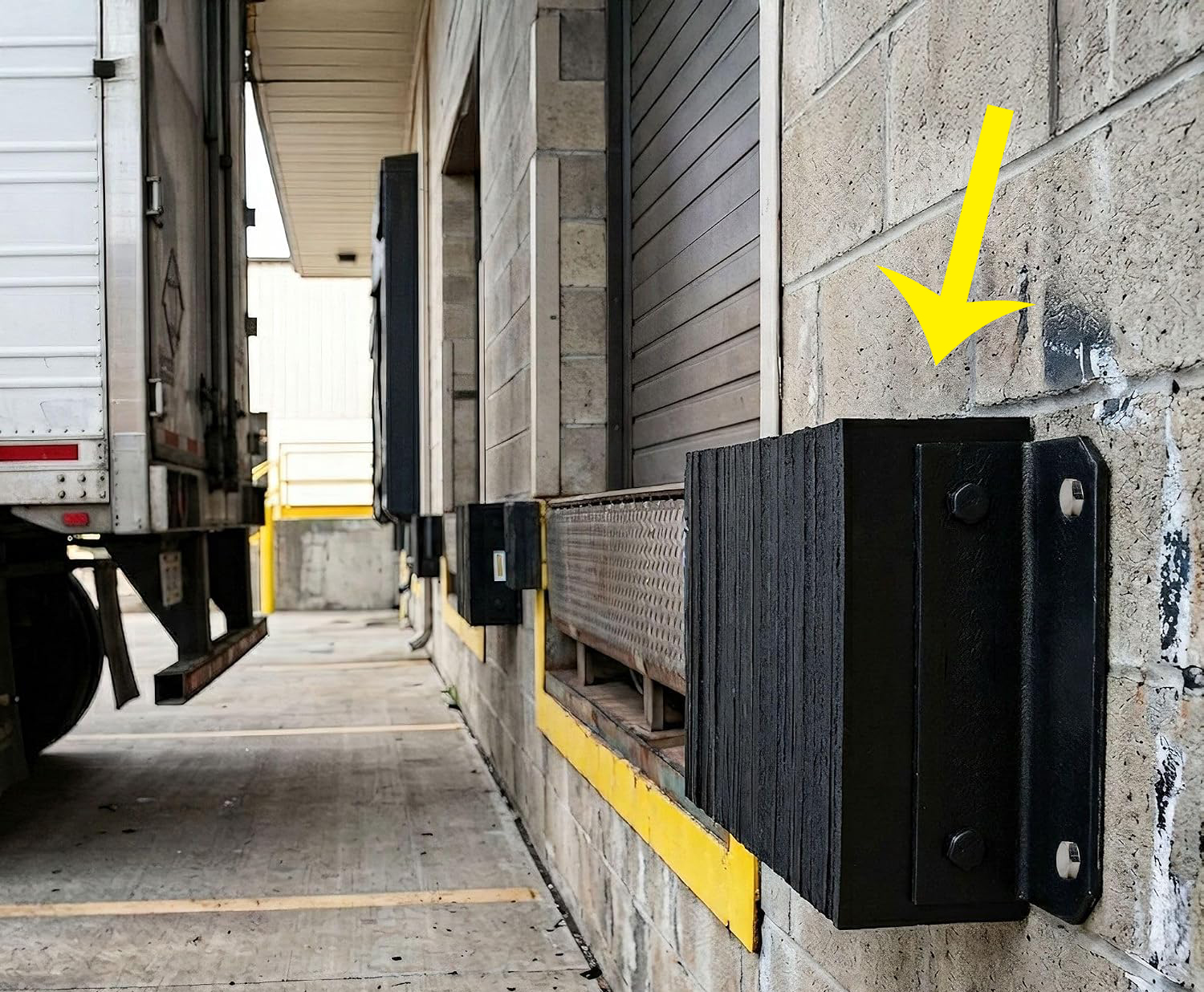 Rubber Laminated Loading Dock Bumper with Steel Angle: 5 Field Failure Signs That Point Back to the RFQ
 Bridge Bearing Pad Field Failure: 5 Visual Signs Before It Retires (And What Caused It)
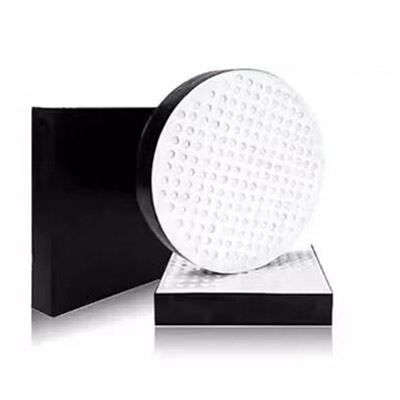 Bridge Bearing Pad RFQ Checklist: 9 Lines That Stop Suppliers From Subbing the Rubber
 Laminated Rubber Bearing: Maintenance and Inspection Protocols