
In the intricate web of industrial operations, high-pressure rubber hoses emerge as indispensable assets. They serve as the lifelines in numerous applications, ranging from air compressor systems to hydraulic setups. These hoses are meticulously engineered to endure the immense pressures they are subjected to, often reinforced with robust textile cords or steel wire to bolster their structural integrity.
The versatility of high-pressure rubber hoses is truly remarkable. They find their place in a myriad of industries, each with its unique demands. Manufacturing plants hum with activity, relying on these hoses to facilitate the seamless flow of high-pressure fluids. Construction sites echo with the clamor of machinery, powered in part by these resilient hoses. The energy and mining sectors, known for their harsh environments, also benefit from the durability of these hoses. Even in the food and beverage industry, where hygiene is paramount, high-pressure rubber hoses play a crucial role.
One of the standout features of high-pressure rubber hoses is their abrasion resistance. Industrial environments are notorious for their wear and tear, but these hoses are designed to withstand such conditions. They are crafted from materials that can endure the constant friction and rubbing, ensuring a longer lifespan.
Speaking of lifespan, high-quality hoses are built to last. They are engineered with precision to minimize the need for frequent replacements, thereby reducing maintenance costs. This longevity is particularly advantageous in industries where downtime can be costly.
Another noteworthy attribute is their good pulse performance. In dynamic applications where pressures fluctuate rapidly, these hoses exhibit remarkable resilience. They can handle pulsating pressures without compromising their structural integrity, making them ideal for use in environments where consistent fluid flow is critical.
High-Pressure Spark Plug Caps: Guardians of Engine Performance
Shifting our focus to another vital component, high-pressure spark plug caps play a pivotal role in motorcycle engines. Their primary function is to prevent overpressure conditions that could potentially damage the spark plug and other engine components.
These caps are crafted from a super soft material that serves a dual purpose. Firstly, it helps to absorb vibrations, which can be detrimental to the engine's performance. Secondly, it reduces wear and tear, ensuring that the spark plug cap remains effective for an extended period.
The rubber material used in these caps is specially formulated to resist aging. Over time, exposure to harsh elements and extreme temperatures can cause rubber to deteriorate. However, the anti-aging properties of these caps ensure that they remain in optimal condition, even after prolonged use.
One of the most appealing aspects of these caps is their universal modification accessories. They are designed to be compatible with various motorcycle models, making them a versatile and cost-effective solution for maintaining engine performance. Whether you own a classic bike or a modern machine, these caps can be easily adapted to suit your needs.
High-Pressure Air Compressor Systems: The Backbone of Industrial Operations
High-pressure air compressor systems are the unsung heroes of many industrial processes. They provide the compressed air that is essential for a wide range of applications, from powering pneumatic tools to operating machinery.
Air ducts and hoses are integral components of these systems. They are specially designed to handle the high pressures generated by air compressors. In manufacturing environments, where compressed air is a staple, these ducts and hoses are subjected to rigorous use. They must withstand constant pressure fluctuations, extreme temperatures, and potential abrasions.
When selecting components for high-pressure air compressor systems, several performance considerations come into play. Pressure rating is a critical factor. The components must be able to handle the maximum pressure that the system is capable of generating. Temperature resistance is another vital aspect. In high-pressure systems, temperatures can rise significantly, and the components must be able to withstand these extreme conditions without compromising their structural integrity.
Durability is also a key consideration. The components must be able to endure the harsh environments of industrial settings, where they are exposed to dust, debris, and other contaminants. They must remain functional and reliable, even under the most demanding conditions.
Navigating the Buying Process: Tips for Making Informed Decisions
When it comes to purchasing high-pressure rubber products, quality assurance should be your top priority. Always opt for reputable manufacturers who adhere to industry standards and safety regulations. These manufacturers have a proven track record of producing high-quality products that meet the stringent requirements of industrial applications.
Size and pressure rating are other crucial factors to consider. Each system has its unique requirements, and it is essential to select products that match these specifications. Choosing the wrong size or pressure rating can lead to performance issues and potential safety hazards.
Lastly, look for products that come with a warranty and offer customer support. A warranty provides peace of mind, knowing that you are covered in case of any defects or issues. Customer support is equally important. In the event that you encounter any problems with the product, having access to knowledgeable and responsive customer service can make a world of difference.
In conclusion, the world of high-pressure systems is complex and demanding. It requires components that can withstand extreme conditions and perform reliably over an extended period. High-pressure rubber hoses, spark plug caps, and air compressor system components are just a few examples of the vital role that rubber products play in these systems. By carefully selecting the right rubber plug options, you can ensure the reliability and performance of your equipment, ultimately contributing to the success of your industrial operations.
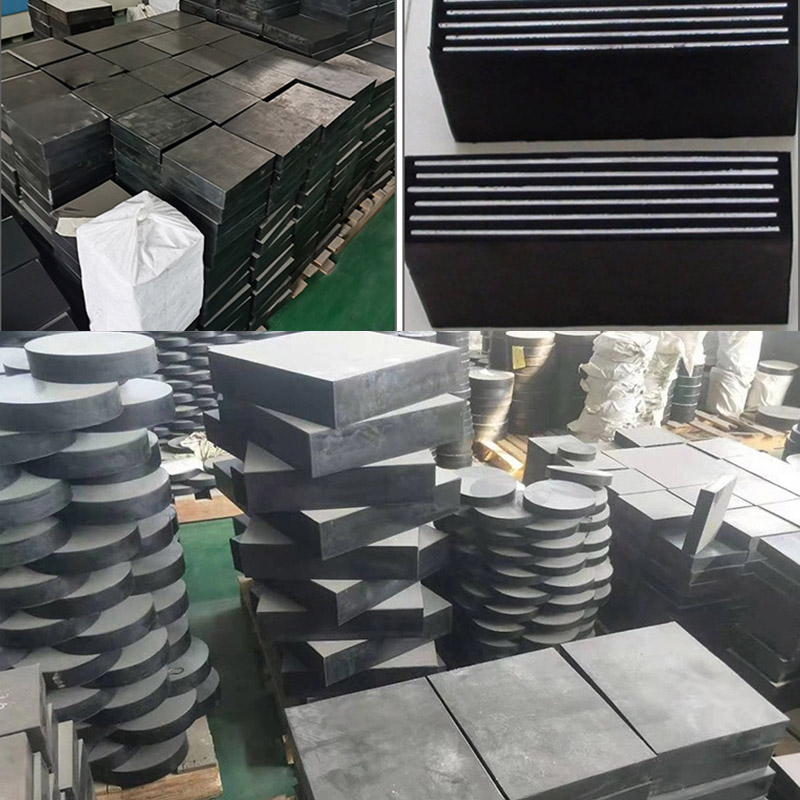 How Do You Verify a Bridge Bearing Pad Will Perform for 30 Years Before Installation?
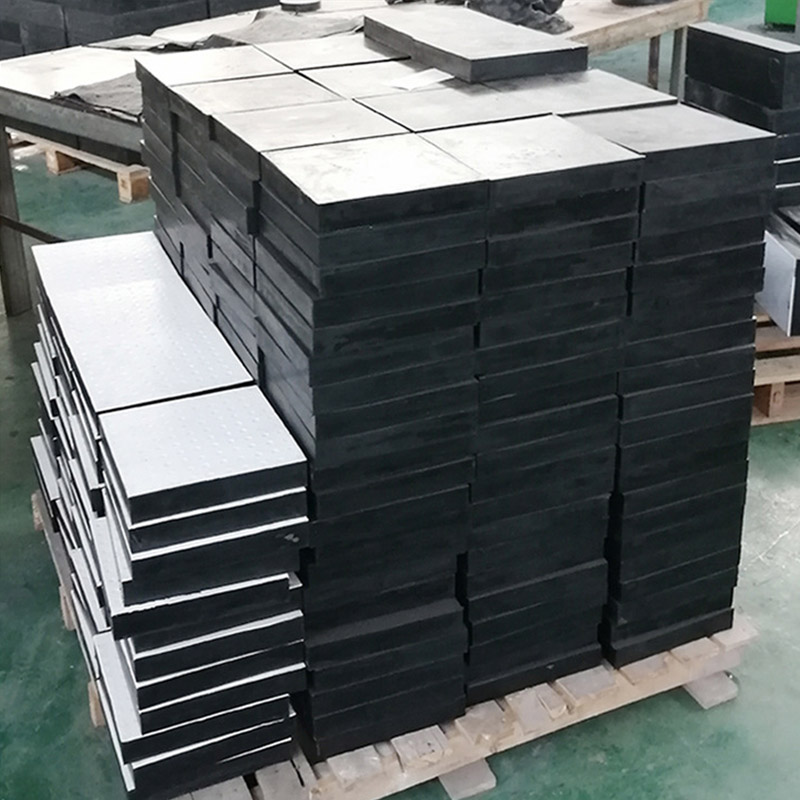 Why Do Some Bridge Bearing Pads Fail in Five Years While Others Last Fifty? A Root-Cause Analysis
 How Much Load Can a Bridge Bearing Pad Actually Carry? Engineering Data for Safe Girder Support
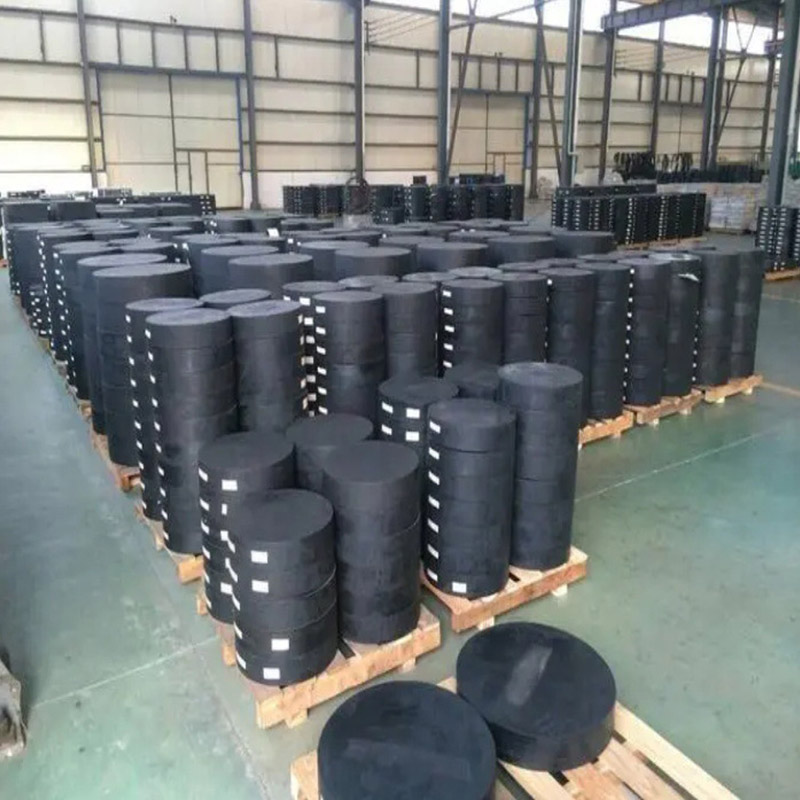 Is Your Bridge Bearing Pad Specified for the Wrong Rubber Grade? Why Elastomeric Bridge Bearing Pad Selection Decides 50-Year Deck Life