
Fire suppression systems are critical components in ensuring safety across various environments, from industrial facilities to residential buildings. These systems are designed to detect and extinguish fires promptly, thereby minimizing damage and protecting lives. One often-overlooked but essential element in many fire suppression systems is the rubber plug. These plugs play a vital role in sealing pipelines, controlling the flow of extinguishing agents, and maintaining system integrity. Selecting the right rubber plug requires careful consideration of several factors to ensure optimal performance and reliability. This article provides a comprehensive guide to help you make an informed decision when choosing rubber plugs for your fire suppression system.
Understanding the Role of Rubber Plugs in Fire Suppression Systems
Rubber plugs are used in fire suppression systems primarily for sealing purposes. They prevent the leakage of extinguishing agents, such as water, foam, or gas, ensuring that the system remains pressurized and ready for immediate activation. In addition, rubber plugs can be found in various components of the system, including valves, nozzles, and pipe connections. Their ability to withstand pressure, resist corrosion, and maintain flexibility under extreme conditions makes them indispensable in fire protection applications.
Factors to Consider When Selecting Rubber Plugs
Choosing the right rubber plug involves evaluating several key factors to ensure compatibility with your fire suppression system and the specific requirements of your environment. Here are the primary considerations:
Material Composition
The material of the rubber plug is crucial as it determines its durability, resistance to chemicals, and temperature tolerance. Common materials include natural rubber, nitrile rubber (NBR), ethylene propylene diene monomer (EPDM), and silicone. Each material has unique properties that make it suitable for different applications.
Natural rubber offers excellent elasticity and resistance to tearing, making it ideal for general-purpose use. Nitrile rubber is known for its oil and fuel resistance, making it suitable for environments where these substances are present. EPDM provides superior resistance to heat, ozone, and weathering, making it ideal for outdoor applications. Silicone, on the other hand, offers high-temperature resistance and is often used in high-purity applications due to its non-reactive properties.
Size and Shape
Rubber plugs come in various sizes and shapes to fit different system components. It is essential to measure the diameter and length of the opening where the plug will be installed to ensure a proper fit.
The shape of the plug can also vary, with some designed for specific applications. For example, tapered plugs are often used in pipe threads, while flat plugs are suitable for sealing flat surfaces. Ensuring the correct size and shape will prevent leaks and ensure the system operates efficiently.
Pressure Rating
Fire suppression systems are subjected to varying pressures depending on the type of extinguishing agent and the system's design. The rubber plug must be able to withstand the maximum operating pressure without failing.
Check the manufacturer's specifications for the pressure rating of the rubber plug. Selecting a plug with a higher pressure rating than required provides a safety margin and ensures long-term reliability.
Chemical Compatibility
The rubber plug must be compatible with the extinguishing agent used in the fire suppression system. Some chemicals can degrade rubber materials, leading to leaks and system failures.
Consult a chemical compatibility chart or contact the rubber plug manufacturer to ensure that the selected material is compatible with the extinguishing agent and any other chemicals present in the system.
Temperature Range
Fire suppression systems may operate in environments with extreme temperatures, either high or low. The rubber plug must be able to maintain its properties within the expected temperature range.
Choose a rubber material that can withstand the temperature extremes of your specific application. For example, silicone rubber is suitable for high-temperature environments, while EPDM may be better for low-temperature applications.
Ease of Installation and Removal
The rubber plug should be easy to install and remove for maintenance or system modifications. A plug that is difficult to handle can lead to installation errors or damage during removal.
Consider the design of the plug, such as whether it has a handle or grip for easy manipulation. Additionally, ensure that the plug can be reused without losing its sealing properties.
Regulatory Compliance
Fire suppression systems must comply with local building codes and safety regulations. The rubber plug you select should meet or exceed these requirements.
Check for certifications and approvals from recognized authorities to ensure that the rubber plug is suitable for use in your fire suppression system.
Steps to Select the Right Rubber Plug
Identify the Application Requirements
Determine the specific requirements of your fire suppression system, including the type of extinguishing agent, operating pressure, temperature range, and any chemicals present.
Research Rubber Materials
Investigate the properties of different rubber materials to find the one that best meets your application requirements. Consider factors such as durability, chemical resistance, and temperature tolerance.
Measure the Opening
Accurately measure the diameter and length of the opening where the rubber plug will be installed. This will ensure a proper fit and prevent leaks.
Check Pressure Ratings
Verify the pressure rating of the rubber plug to ensure it can withstand the maximum operating pressure of your fire suppression system.
Consult Chemical Compatibility Charts
Use chemical compatibility charts or contact the manufacturer to ensure that the selected rubber material is compatible with the extinguishing agent and other chemicals in the system.
Evaluate Temperature Range
Choose a rubber material that can withstand the expected temperature range of your application to prevent degradation and maintain sealing properties.
Assess Ease of Installation and Removal
Consider the design of the rubber plug and ensure it is easy to install and remove for maintenance or system modifications.
Verify Regulatory Compliance
Check for certifications and approvals from recognized authorities to ensure that the rubber plug meets or exceeds local building codes and safety regulations.
Selecting the right rubber plug for your fire suppression system is a critical task that requires careful consideration of several factors. By understanding the role of rubber plugs, evaluating material composition, size and shape, pressure rating, chemical compatibility, temperature range, ease of installation and removal, and regulatory compliance, you can make an informed decision that ensures the reliability and efficiency of your fire suppression system. Remember to consult with manufacturers and experts in the field to address any specific concerns or requirements unique to your application. With the right rubber plug, you can enhance the safety and protection provided by your fire suppression system.
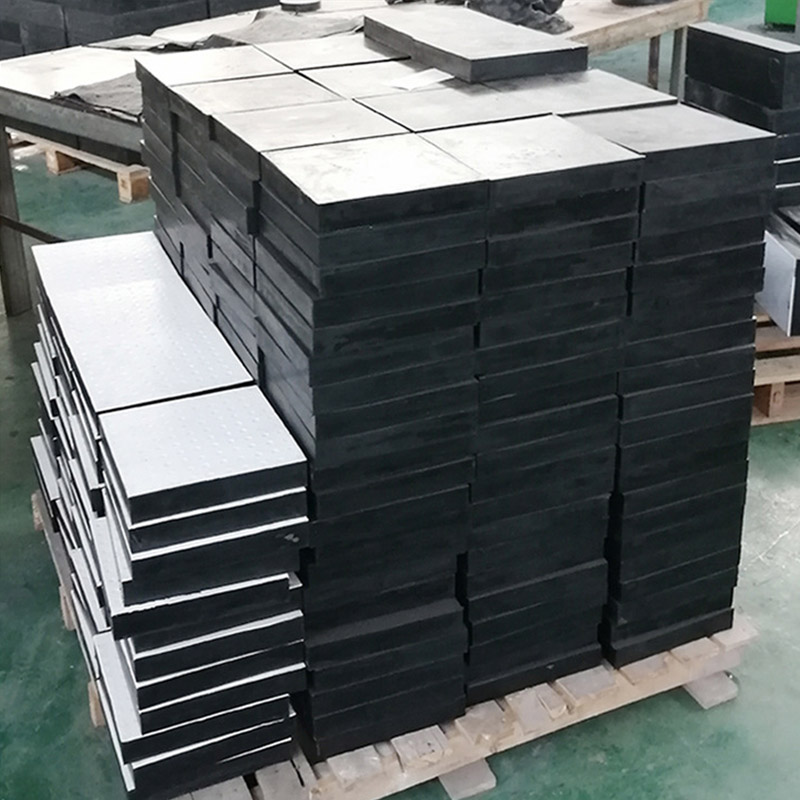 Why Do Some Bridge Bearing Pads Fail in Five Years While Others Last Fifty? A Root-Cause Analysis
 How Much Load Can a Bridge Bearing Pad Actually Carry? Engineering Data for Safe Girder Support
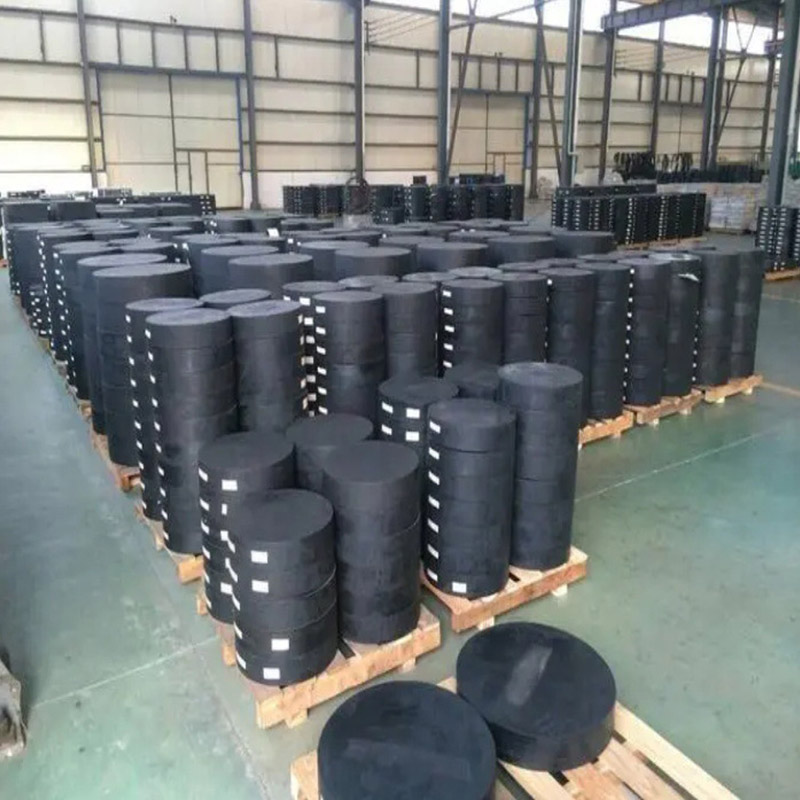 Is Your Bridge Bearing Pad Specified for the Wrong Rubber Grade? Why Elastomeric Bridge Bearing Pad Selection Decides 50-Year Deck Life
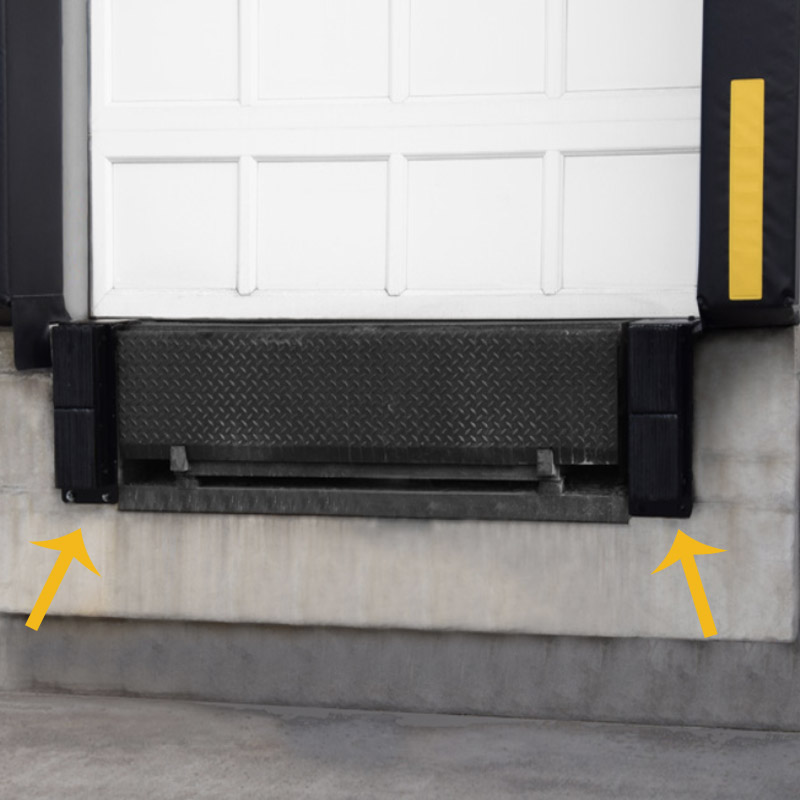 Can a Loading Dock Bumper Survive -30°C Winters and +50°C Summers? Here Is the Extreme-Weather Data