
In the realm of industrial and engineering applications, the choice of materials for sealing components is critical. Seals must withstand extreme temperatures, resist chemical corrosion, and maintain their integrity under pressure. One such material that has gained considerable attention for its exceptional properties is fluorosilicone rubber. When fashioned into plugs, fluorosilicone rubber offers a multitude of benefits that make it a superior choice for various sealing needs. This article delves into the intricacies of fluorosilicone rubber plugs, exploring their unique properties, advantages, and the diverse applications where they excel.
The Composition and Properties of Fluorosilicone Rubber
Fluorosilicone rubber is a specialized type of silicone elastomer that incorporates fluorine atoms into its polymer chain. This modification imparts several distinct advantages over conventional silicone rubbers. The primary components of fluorosilicone rubber include a silicone backbone with fluorinated side chains, which enhance its resistance to oils, fuels, and solvents. Additionally, the incorporation of fluorine atoms improves its thermal stability and chemical inertness.
One of the most notable properties of fluorosilicone rubber is its high-temperature resistance. It can maintain its elastic properties and structural integrity over a wide temperature range, typically from -55°C to +200°C, and in some formulations, even up to +250°C. This makes it ideal for applications where temperature fluctuations are extreme or where consistent sealing performance is required in high-heat environments.
Furthermore, fluorosilicone rubber exhibits excellent resistance to a broad spectrum of chemicals, including acids, bases, and aromatic hydrocarbons. This chemical inertness ensures that the plugs do not degrade or lose their sealing capabilities when exposed to aggressive substances, making them suitable for use in chemical processing plants, automotive systems, and aerospace applications.
Another significant advantage of fluorosilicone rubber is its outstanding weatherability. It retains its physical properties and performance characteristics even when exposed to ultraviolet radiation, ozone, and other environmental factors that can cause conventional rubbers to deteriorate over time. This makes fluorosilicone rubber plugs a reliable choice for outdoor and exposed applications.
The Advantages of Fluorosilicone Rubber Plugs
Enhanced Chemical Resistance:
Fluorosilicone rubber plugs offer superior resistance to a wide range of chemicals, including oils, fuels, solvents, and corrosive substances. This makes them ideal for sealing components in environments where chemical exposure is a concern, such as in chemical processing equipment, fuel systems, and industrial machinery.
High-Temperature Performance:
The ability of fluorosilicone rubber to maintain its elasticity and structural integrity at high temperatures is a significant advantage. This allows fluorosilicone rubber plugs to be used in high-temperature applications, such as engine compartments, ovens, and other thermal processing equipment, without the risk of degradation or failure.
Excellent Thermal Stability:
Fluorosilicone rubber exhibits low thermal conductivity, meaning it can effectively insulate against heat transfer. This property is particularly beneficial in applications where maintaining temperature separation between different components is crucial, such as in heat exchangers or thermal insulation systems.
Outstanding Weatherability:
The excellent weather resistance of fluorosilicone rubber ensures that plugs made from this material can withstand prolonged exposure to the elements without deteriorating. This makes them suitable for outdoor applications, such as in construction, marine environments, and automotive exteriors.
Good Mechanical Properties:
Fluorosilicone rubber plugs possess good tensile strength, elongation, and tear resistance. These mechanical properties enable them to withstand the stresses and pressures encountered in various applications, ensuring reliable and long-lasting sealing performance.
Compatibility with Various Substrates:
Fluorosilicone rubber exhibits good adhesion to a wide range of substrates, including metals, plastics, and composites. This makes it easier to integrate fluorosilicone rubber plugs into existing systems and components, enhancing their versatility and applicability.
Low Compression Set:
Fluorosilicone rubber has a low compression set, meaning it can recover its original shape and size after being compressed for extended periods. This property is essential for maintaining a tight seal over time, even under constant pressure or cyclic loading conditions.
Applications of Fluorosilicone Rubber Plugs
The unique properties of fluorosilicone rubber plugs make them suitable for a diverse range of applications across various industries. Some of the most notable applications include:
Automotive Industry:
Fluorosilicone rubber plugs are used in automotive engines, fuel systems, and exhaust components to provide reliable sealing and resistance to high temperatures and chemicals. They help prevent leaks and ensure the proper functioning of critical engine parts.
Aerospace Industry:
In the aerospace sector, fluorosilicone rubber plugs are employed in aircraft engines, fuel tanks, and hydraulic systems. Their high-temperature resistance, chemical inertness, and excellent weatherability make them ideal for the demanding conditions encountered in aviation.
Chemical Processing:
Fluorosilicone rubber plugs are utilized in chemical processing plants to seal pipes, valves, and reactors. Their resistance to corrosive chemicals and high temperatures ensures the safe and efficient operation of chemical processing equipment.
Industrial Machinery:
In industrial settings, fluorosilicone rubber plugs are used to seal machinery components, such as pumps, compressors, and bearings. Their durability and resistance to wear and tear contribute to the reliability and longevity of industrial equipment.
Electronics Industry:
Fluorosilicone rubber plugs are employed in electronic devices to provide protection against moisture, dust, and other contaminants. Their excellent electrical insulation properties and resistance to high temperatures make them suitable for use in various electronic applications.
Medical Devices:
Fluorosilicone rubber plugs are used in medical devices, such as syringes, catheters, and implantable devices, due to their biocompatibility, chemical resistance, and sterilizability. They help ensure the safety and efficacy of medical products.
Construction and Marine:
In construction and marine applications, fluorosilicone rubber plugs are used to seal joints, gaps, and openings in buildings, bridges, and ships. Their weather resistance and durability make them ideal for protecting structures from the elements and preventing water ingress.
Fluorosilicone rubber plugs offer a multitude of benefits that make them a superior choice for sealing components in various industries. Their high-temperature resistance, chemical inertness, excellent weatherability, and good mechanical properties ensure reliable and long-lasting sealing performance. Whether in automotive engines, aerospace applications, chemical processing plants, or industrial machinery, fluorosilicone rubber plugs provide the necessary durability and resistance to withstand the demanding conditions encountered in these environments.
As technology continues to advance and industries seek more robust and reliable sealing solutions, fluorosilicone rubber plugs are poised to play a significant role. Their unique combination of properties makes them an indispensable component in ensuring the safe, efficient, and reliable operation of various systems and equipment. By understanding the benefits of using fluorosilicone rubber plugs, engineers and designers can make informed decisions that enhance the performance and longevity of their products.
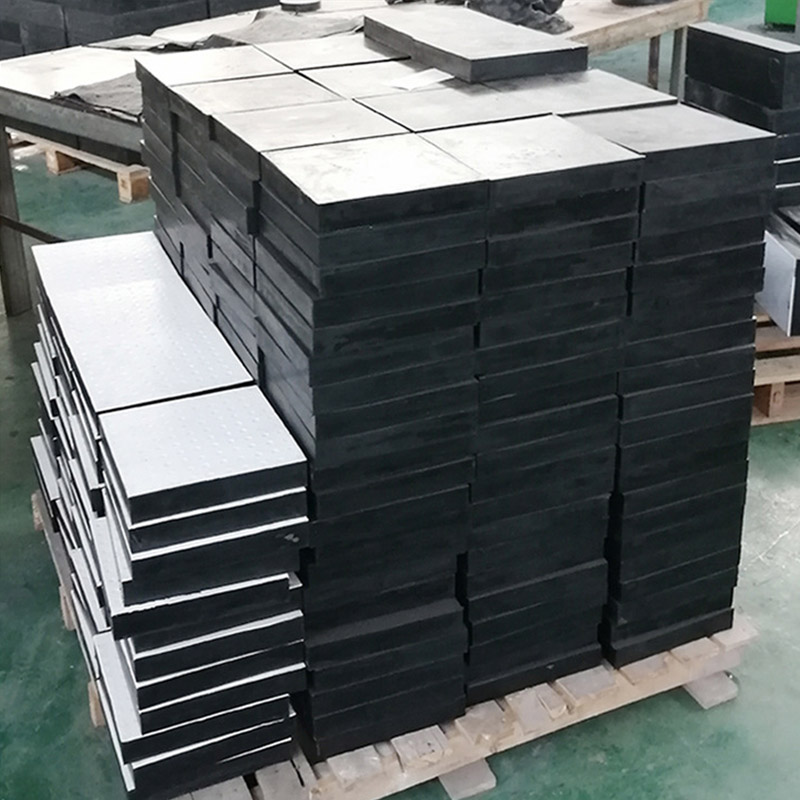 Why Do Some Bridge Bearing Pads Fail in Five Years While Others Last Fifty? A Root-Cause Analysis
 How Much Load Can a Bridge Bearing Pad Actually Carry? Engineering Data for Safe Girder Support
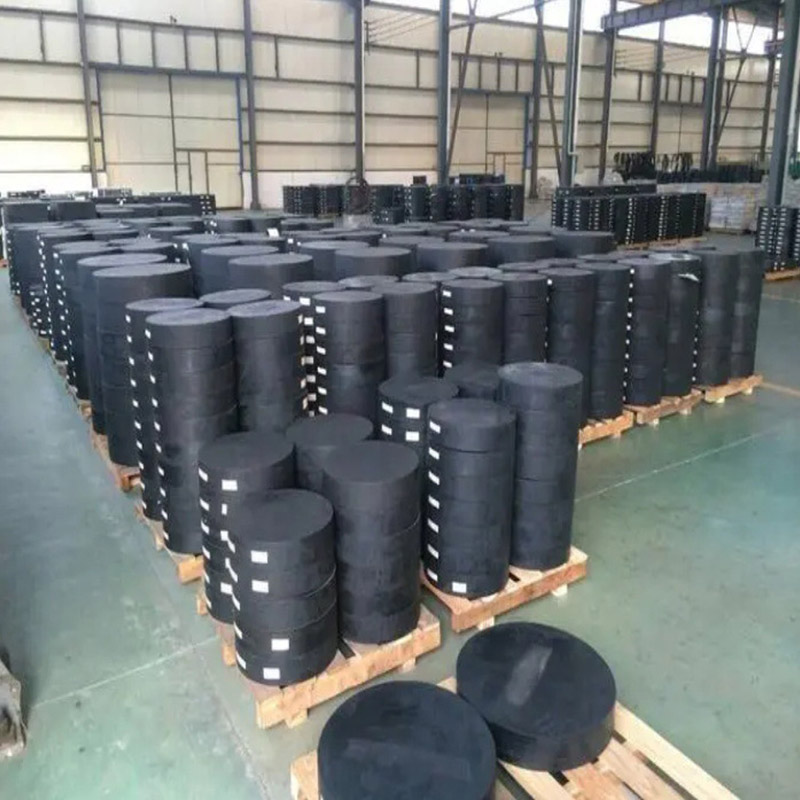 Is Your Bridge Bearing Pad Specified for the Wrong Rubber Grade? Why Elastomeric Bridge Bearing Pad Selection Decides 50-Year Deck Life
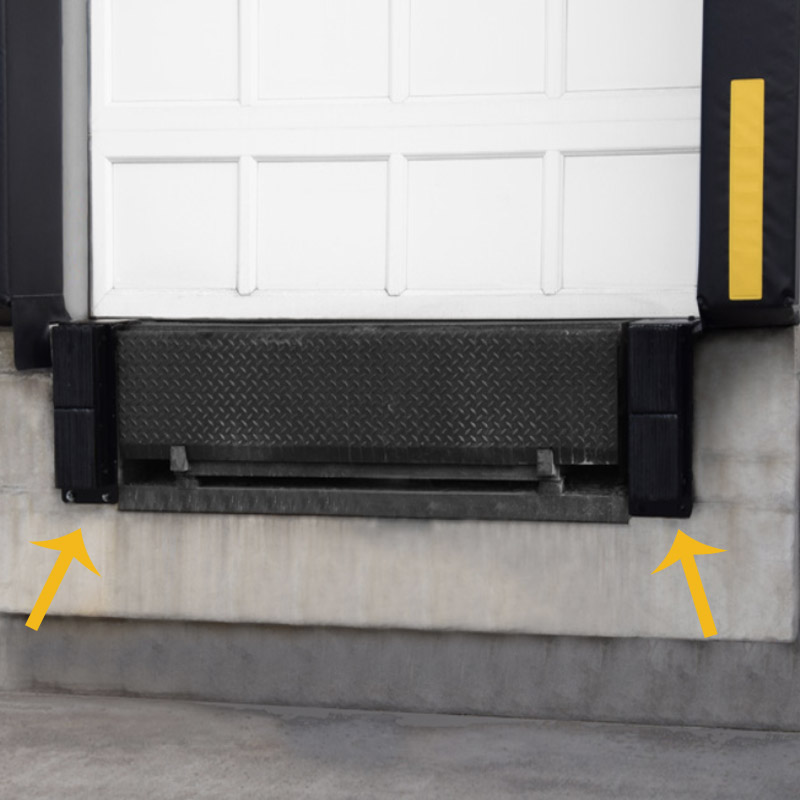 Can a Loading Dock Bumper Survive -30°C Winters and +50°C Summers? Here Is the Extreme-Weather Data