
In the realm of engineering and manufacturing, sealing complex geometries can be a daunting task. Whether it's for preventing fluid leakage, maintaining pressure, or protecting components from environmental factors, achieving a reliable seal is crucial. One effective solution that has stood the test of time is the use of rubber plugs. These versatile sealing devices offer a myriad of benefits, including flexibility, durability, and ease of installation. In this comprehensive guide, we will delve into the intricacies of sealing complex geometries with rubber plugs, covering everything from material selection to installation techniques.
Understanding the Importance of Sealing
Sealing is a fundamental aspect of many industrial applications. It ensures that systems operate efficiently by preventing the ingress or egress of fluids and gases. In complex geometries, where traditional sealing methods may fail, rubber plugs provide a reliable and adaptable solution. They are particularly useful in applications such as automotive engines, aerospace components, hydraulic systems, and electrical enclosures.
The primary function of a rubber plug is to create a tight seal between two mating surfaces. This seal must withstand the operating pressures, temperatures, and fluids present in the application. A well-designed rubber plug will not only provide an immediate seal but also maintain its integrity over the lifespan of the product.
Material Selection: The Foundation of Success
Choosing the right material for a rubber plug is critical to its performance. Rubber materials vary widely in their properties, and the selection process must take into account factors such as temperature resistance, chemical compatibility, elasticity, and abrasion resistance.
Elastomers like nitrile (NBR), silicone (VMQ), and ethylene propylene diene monomer (EPDM) are commonly used in rubber plug manufacturing. Nitrile rubber offers good oil and fuel resistance, making it ideal for automotive and industrial applications. Silicone rubber, on the other hand, is known for its high-temperature resistance and excellent flexibility, making it suitable for use in aerospace and electronics. EPDM rubber provides excellent weathering and ozone resistance, making it a popular choice for outdoor applications.
When selecting a material, it's essential to consider the specific requirements of the application. For instance, if the plug will be exposed to harsh chemicals, a material with high chemical resistance should be chosen. Similarly, if the application involves high temperatures, a material with a high-temperature rating is necessary.
Designing for Complex Geometries
Designing a rubber plug for a complex geometry requires a thorough understanding of the mating surfaces and the sealing requirements. The plug must conform to the shape of the surface it is sealing, which often means incorporating features such as ribs, grooves, or contours.
One common design challenge is ensuring that the plug can be easily installed and removed. This may require the use of tapered edges or lubricants to facilitate installation. Additionally, the plug must be designed to withstand any forces that may act on it, such as vibration or pressure changes.
Computer-aided design (CAD) software is invaluable in the design process. It allows engineers to create detailed 3D models of the plug and the mating surface, enabling them to simulate the sealing performance and make adjustments as needed. Prototyping is also an essential step in the design process, as it allows for real-world testing and validation of the plug's performance.
Manufacturing Techniques
The manufacturing process of rubber plugs can vary depending on the complexity of the design and the material being used. Common techniques include injection molding, compression molding, and extrusion.
Injection molding is a highly efficient process that is well-suited for producing large quantities of rubber plugs with complex geometries. It involves injecting molten rubber into a mold and allowing it to solidify. Compression molding, on the other hand, is better suited for larger parts or those with thicker cross-sections. It involves placing a pre-measured amount of rubber into a mold and applying pressure and heat to form the part.
Extrusion is a process used to produce rubber plugs with a continuous length, such as those used in gasketing or sealing applications. The rubber is forced through a die to create the desired shape and then cut to the appropriate length.
Regardless of the manufacturing technique used, quality control is essential. Each plug should be inspected for defects such as cracks, bubbles, or inconsistencies in thickness. Testing the plugs under actual operating conditions can provide additional assurance of their performance.
Installation Techniques
Installing a rubber plug correctly is just as important as designing and manufacturing it. Improper installation can lead to leaks, damage to the plug, or failure of the sealing system. Here are some best practices for installing rubber plugs:
Clean the Mating Surfaces: Ensure that the surfaces to be sealed are clean, dry, and free of debris. Any contaminants can interfere with the seal and compromise its integrity.
Lubricate the Plug: In some cases, applying a lubricant to the plug can facilitate installation and prevent damage to the rubber. Be sure to use a lubricant that is compatible with the rubber material and the application.
Align the Plug Correctly: Make sure the plug is properly aligned with the mating surface before applying pressure. Misalignment can cause the plug to distort or tear, leading to a poor seal.
Apply Even Pressure: When installing the plug, apply even pressure to ensure that it seats correctly. Using a tool specifically designed for the task can help distribute the pressure evenly.
Check for Leaks: After installation, test the seal for leaks by applying pressure or fluid to the system. Any leaks should be addressed immediately to prevent potential problems down the line.
Maintenance and Inspection
Regular maintenance and inspection of rubber plugs are essential to their long-term performance. Over time, rubber can degrade due to exposure to temperature extremes, chemicals, or ultraviolet light. Inspecting the plugs periodically can help identify potential issues before they become critical.
If a plug is found to be damaged or worn, it should be replaced immediately. Replacing a plug is a relatively simple process that can prevent costly downtime and repairs.
Sealing complex geometries with rubber plugs is a challenging but achievable task. By carefully selecting the right material, designing the plug to fit the specific application, using appropriate manufacturing techniques, and following best practices for installation and maintenance, engineers can ensure that their sealing systems perform reliably and efficiently.
Rubber plugs offer a versatile and cost-effective solution for a wide range of sealing applications. Whether you're working on an automotive engine, an aerospace component, or a hydraulic system, understanding the nuances of rubber plug selection, design, and installation can make the difference between success and failure. By following the guidelines outlined in this guide, you can achieve a reliable seal that will stand the test of time.
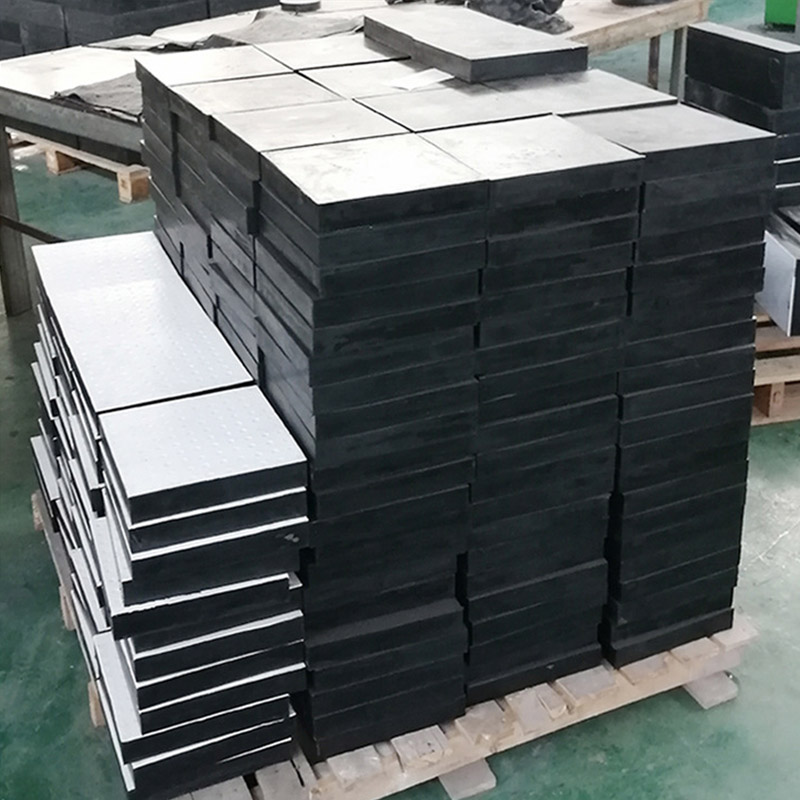 Why Do Some Bridge Bearing Pads Fail in Five Years While Others Last Fifty? A Root-Cause Analysis
 How Much Load Can a Bridge Bearing Pad Actually Carry? Engineering Data for Safe Girder Support
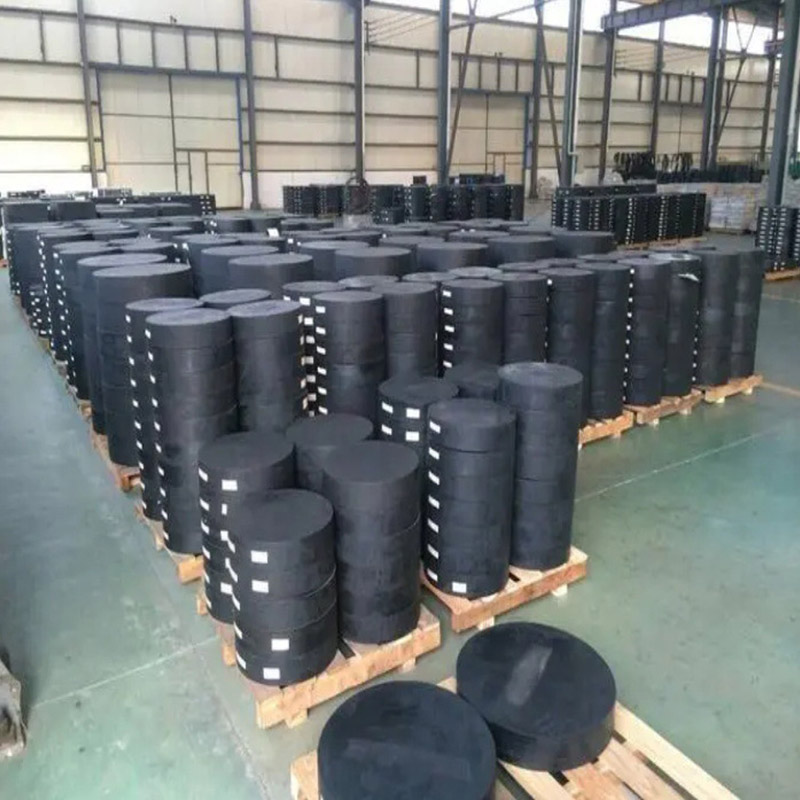 Is Your Bridge Bearing Pad Specified for the Wrong Rubber Grade? Why Elastomeric Bridge Bearing Pad Selection Decides 50-Year Deck Life
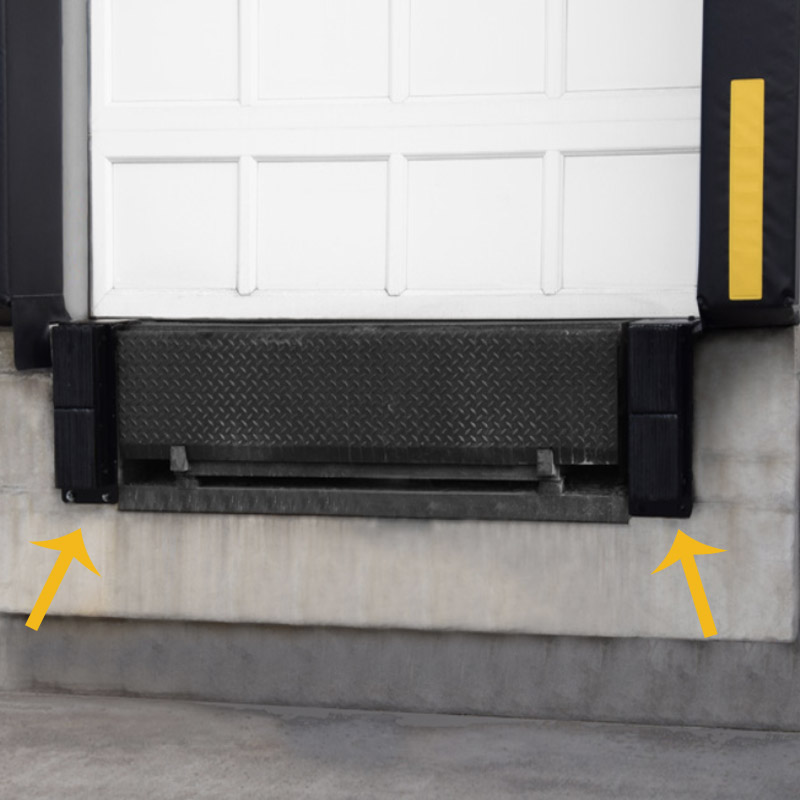 Can a Loading Dock Bumper Survive -30°C Winters and +50°C Summers? Here Is the Extreme-Weather Data