
In the quest for sustainable and renewable energy sources, geothermal energy stands out as a promising option. Harnessing the Earth's internal heat, geothermal energy provides a continuous and reliable power supply with minimal environmental impact. The utilization of geothermal energy involves a complex system of wells, pipelines, and heat exchangers, all working in harmony to convert geothermal heat into usable electricity or thermal energy. Amidst this intricate network, rubber plugs play a vital yet often overlooked role. These unassuming components are essential in ensuring the efficiency, safety, and longevity of geothermal energy applications.
Understanding Geothermal Energy Systems
Geothermal energy systems can be broadly categorized into direct use and geothermal power plants. Direct use applications involve utilizing geothermal heat directly for heating buildings, greenhouses, and industrial processes, or for supplying hot water for various purposes. Geothermal power plants, on the other hand, convert geothermal heat into electricity through steam turbines or binary cycle systems.
In both cases, the extraction of geothermal heat begins with drilling wells into the Earth's crust to reach geothermal reservoirs. These reservoirs contain hot water and steam, which are tapped to bring the geothermal energy to the surface. The wells are equipped with casing and tubing to maintain structural integrity and prevent the ingress of unwanted fluids or gases. It is within this context that rubber plugs perform their critical functions.
The Functions of Rubber Plugs in Geothermal Wells
Rubber plugs serve multiple purposes in geothermal wells, contributing to the overall efficiency and reliability of the system. Here are some of the key roles they play:
Sealing and Isolation: One of the primary functions of rubber plugs is to provide a secure seal between different sections of the well. They are used to isolate the production zone from other formations, preventing the migration of fluids and gases that could contaminate the geothermal reservoir or reduce the efficiency of the well. Rubber plugs are designed to withstand the high temperatures and pressures encountered in geothermal wells, ensuring a tight seal even under extreme conditions.
Zonal Isolation During Drilling and Completion: During the drilling and completion phases of a geothermal well, rubber plugs are used to isolate specific zones within the well. This helps to protect the integrity of the wellbore and ensures that drilling fluids and cements are placed accurately in the intended zones. By preventing fluid communication between different formations, rubber plugs help to maintain the stability and productivity of the well.
Pressure Control: Geothermal wells are subject to significant pressure fluctuations as the hot fluids and gases are extracted. Rubber plugs play a crucial role in managing these pressures by providing a flexible and durable barrier. They can accommodate the expansion and contraction of the wellbore materials due to temperature changes and pressure variations, helping to prevent leaks and maintaining the structural integrity of the well.
Corrosion Resistance: Geothermal fluids often contain corrosive chemicals and minerals that can degrade well materials over time. Rubber plugs are made from materials that are highly resistant to corrosion, ensuring their longevity and reliability in the harsh geothermal environment. This resistance is crucial for maintaining the integrity of the well and preventing costly repairs or replacements.
Ease of Installation and Removal: Rubber plugs are designed for easy installation and removal, which is essential during the drilling, completion, and maintenance phases of a geothermal well. Their flexibility allows them to be inserted and removed without damaging the wellbore or adjacent formations, making them a versatile and practical solution for sealing and isolating different zones within the well.
Material Selection and Design Considerations
The performance of rubber plugs in geothermal applications depends largely on the selection of appropriate materials and design features. Key considerations include:
Temperature Resistance: Rubber plugs must be able to withstand the high temperatures encountered in geothermal wells, often exceeding 200°C. The selected material should retain its mechanical properties and sealing capabilities at these elevated temperatures.
Pressure Resistance: The plugs must also be able to withstand high pressures, which can reach several hundred bars in some geothermal wells. The material should have sufficient tensile strength and elasticity to maintain a tight seal under these conditions.
Chemical Resistance: Geothermal fluids contain various chemicals and minerals that can be corrosive to rubber materials. The selected material should be resistant to these chemicals to ensure the longevity of the plug.
Durability and Wear Resistance: The plug material should be durable and resistant to wear, as the plugs may be subjected to repeated installation and removal cycles during the lifetime of the well.
Environmental Compatibility: The material should be environmentally friendly and non-toxic, as it may come into contact with groundwater or surface water during the well's operational life.
Design features, such as the shape, size, and surface finish of the plug, also play a crucial role in its performance. The plug should be designed to fit securely within the wellbore, providing an effective seal without causing damage to the surrounding materials.
Rubber plugs may seem like insignificant components in the grand scheme of geothermal energy systems, but they play a vital role in ensuring the efficiency, safety, and longevity of these systems. By providing sealing and isolation, pressure control, corrosion resistance, and ease of installation and removal, rubber plugs contribute to the overall success of geothermal energy applications.
As the demand for sustainable and renewable energy sources continues to grow, the importance of rubber plugs in geothermal energy systems cannot be overstated. By carefully selecting materials and designing plugs to meet the unique challenges of the geothermal environment, we can enhance the performance and reliability of these systems, paving the way for a more sustainable energy future.
In summary, rubber plugs are an indispensable part of geothermal energy applications, enabling the safe and efficient extraction of geothermal heat for a variety of purposes. As technology advances and new materials are developed, the role of rubber plugs in geothermal energy systems is likely to become even more significant, further enhancing the potential of this renewable energy source to meet our growing energy needs.
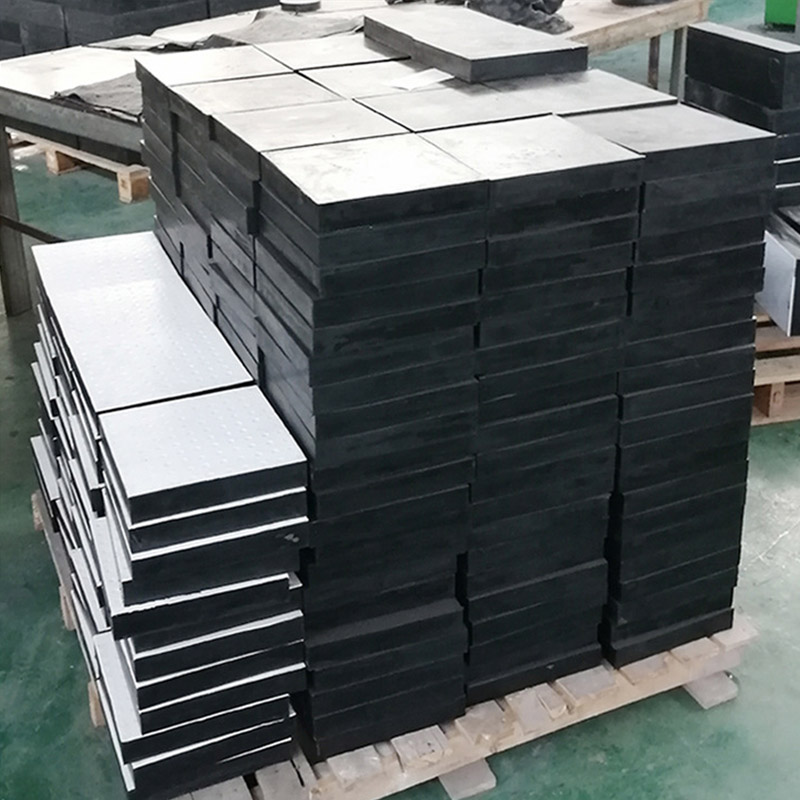 Why Do Some Bridge Bearing Pads Fail in Five Years While Others Last Fifty? A Root-Cause Analysis
 How Much Load Can a Bridge Bearing Pad Actually Carry? Engineering Data for Safe Girder Support
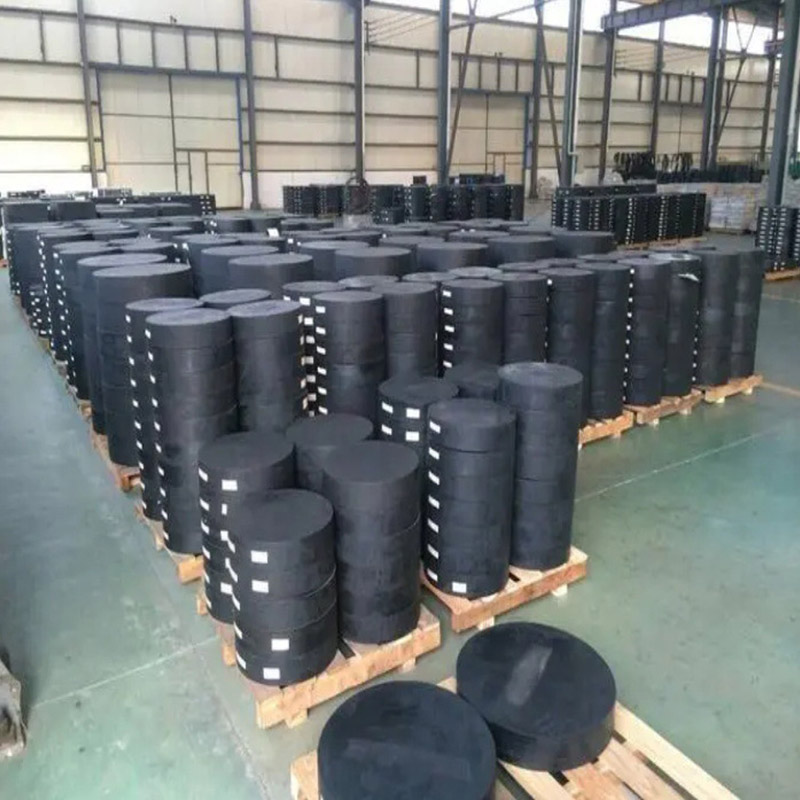 Is Your Bridge Bearing Pad Specified for the Wrong Rubber Grade? Why Elastomeric Bridge Bearing Pad Selection Decides 50-Year Deck Life
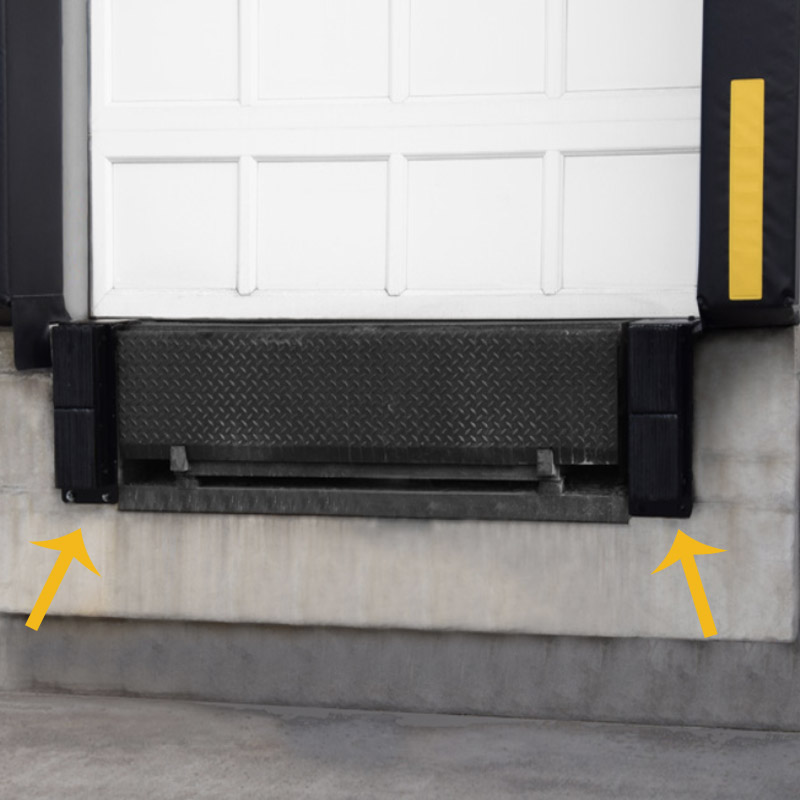 Can a Loading Dock Bumper Survive -30°C Winters and +50°C Summers? Here Is the Extreme-Weather Data