
In various industrial and mechanical systems, the need for reliable sealing solutions is paramount, especially in high-pressure applications. One such versatile and effective sealing component is the rubber plug. These unassuming yet crucial devices play a vital role in maintaining system integrity, preventing leaks, and ensuring operational efficiency. This article delves into the intricacies of using rubber plugs in high-pressure environments, covering their selection, installation, maintenance, and troubleshooting.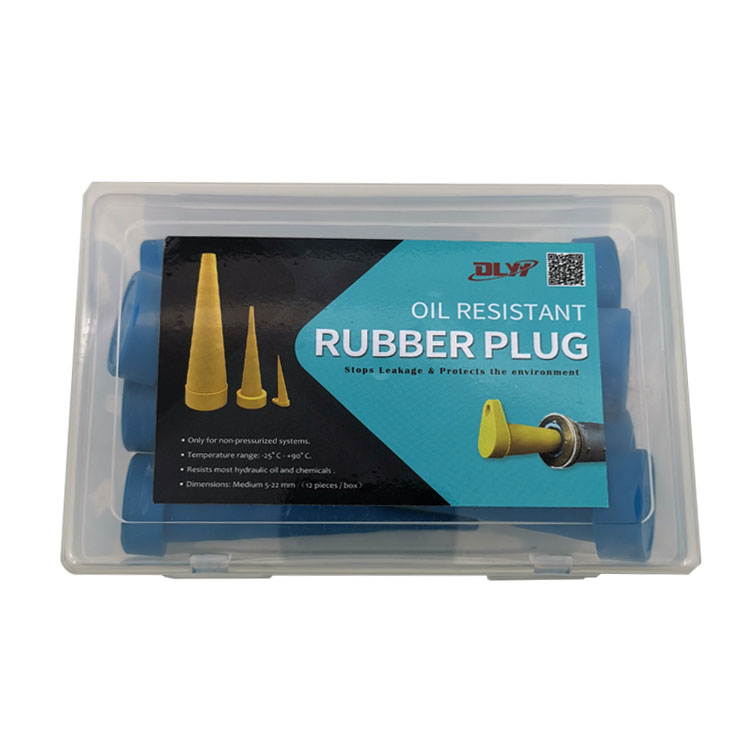
Understanding Rubber Plugs
Rubber plugs are cylindrical or conical-shaped devices made from elastomeric materials designed to fit snugly into holes or orifices to create a watertight or airtight seal. They are available in a myriad of sizes, shapes, and materials, each tailored to specific application requirements. The choice of rubber material is critical, as it must withstand the pressures, temperatures, and fluids encountered in the operating environment.
Common elastomeric materials used in rubber plugs include natural rubber, nitrile (NBR), neoprene, silicone, and ethylene propylene diene monomer (EPDM). Each material has unique properties that make it suitable for different conditions. For instance, nitrile rubber exhibits excellent oil resistance, making it ideal for applications involving petroleum-based products. Silicone, on the other hand, offers high temperature resistance and is often used in applications where extreme heat is a factor.
Selecting the Right Rubber Plug
Choosing the appropriate rubber plug for a high-pressure application involves several considerations:
Pressure Rating: The plug must be able to withstand the maximum operating pressure without deforming or failing. Manufacturers typically provide pressure ratings for their products, which should be consulted to ensure compatibility.
Temperature Range: The rubber material must remain stable and retain its sealing properties within the expected temperature range of the application. Exposure to temperatures outside this range can cause the material to harden, soften, or degrade.
Chemical Compatibility: The plug must be resistant to any chemicals or fluids it will come into contact with. Chemical attack can cause the rubber to swell, shrink, or degrade, compromising the seal.
Size and Fit: Proper sizing is crucial for achieving an effective seal. The plug should fit snugly into the opening without being overly tight, which could cause installation difficulties or damage to the plug or the mating surface.
Application-Specific Features: Some rubber plugs may have additional features such as threads, flanges, or grooves to facilitate installation or enhance sealing performance. These features should be considered based on the specific requirements of the application.
Installation Best Practices
Installing a rubber plug correctly is essential for ensuring a leak-free seal in high-pressure applications. Here are some best practices to follow:
Clean the Mating Surfaces: Before installation, thoroughly clean the mating surfaces to remove any dirt, debris, or contaminants that could interfere with the seal. Use a suitable cleaning agent and ensure the surfaces are dry before proceeding.
Inspect the Plug: Examine the rubber plug for any signs of damage, defects, or wear. Discard any plugs that do not appear to be in good condition.
Lubricate the Plug (if necessary): In some cases, lubricating the plug with a compatible lubricant can facilitate installation and prevent the rubber from tearing or binding. However, care should be taken to avoid using lubricants that could compromise the seal or react with the rubber material.
Insert the Plug: Carefully insert the rubber plug into the opening, ensuring it is properly aligned and seated. Apply even pressure to avoid distorting the plug or damaging the mating surface.
Secure the Plug (if required): If the application requires additional securing, use appropriate fasteners or clamping mechanisms to hold the plug in place. Ensure that the securing method does not compromise the seal or apply excessive stress to the rubber material.
Maintenance and Inspection
Regular maintenance and inspection of rubber plugs are essential for maintaining their sealing performance and extending their service life in high-pressure applications. Here are some recommendations:
Periodic Inspection: Inspect the rubber plug and mating surfaces periodically for signs of wear, damage, or degradation. Replace the plug if any issues are detected.
Cleaning and Lubrication: Clean the plug and mating surfaces as needed to remove any accumulated dirt, debris, or contaminants. Reapply lubricant if necessary, following the manufacturer's recommendations.
Monitor Operating Conditions: Keep an eye on the operating conditions of the system, including pressure, temperature, and fluid compatibility. Adjust or replace the rubber plug if the conditions change significantly or if the plug is no longer suitable for the application.
Storage: When not in use, store the rubber plug in a cool, dry place away from direct sunlight, heat sources, and chemicals that could cause degradation.
Troubleshooting Common Issues
Despite the best efforts in selection, installation, and maintenance, issues with rubber plugs can still arise in high-pressure applications. Here are some common problems and their potential solutions:
Leakage: If leakage occurs, check the plug and mating surfaces for damage, dirt, or debris. Ensure the plug is properly sized, installed, and secured. Replace the plug if necessary, or consider using a different material or design for better sealing performance.
Plug Damage: If the rubber plug becomes damaged, it may need to be replaced. Investigate the cause of the damage, such as excessive pressure, temperature extremes, or chemical attack, and take steps to prevent it from happening again.
Difficult Installation or Removal: If the plug is difficult to install or remove, check for proper sizing and alignment. Lubricate the plug if necessary, and ensure that the mating surfaces are clean and dry. Avoid using excessive force, as this could damage the plug or the mating surface.
Material Degradation: If the rubber material degrades over time, it may be due to exposure to incompatible chemicals, extreme temperatures, or ultraviolet radiation. Replace the plug with a material that is better suited to the operating conditions.
In conclusion, rubber plugs are a valuable sealing solution for high-pressure applications, provided they are selected, installed, and maintained correctly. By considering factors such as pressure rating, temperature range, chemical compatibility, size, and application-specific features, and following best practices for installation, maintenance, and troubleshooting, users can ensure the reliability and longevity of their rubber plugs. With proper care and attention, these unassuming devices can play a crucial role in maintaining the integrity and efficiency of industrial and mechanical systems.
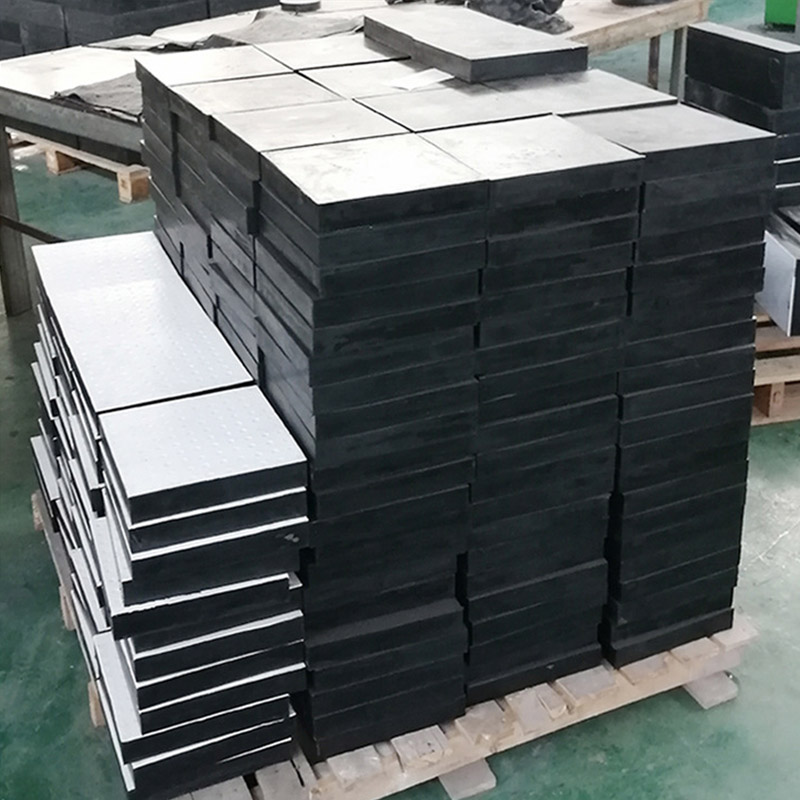 Why Do Some Bridge Bearing Pads Fail in Five Years While Others Last Fifty? A Root-Cause Analysis
 How Much Load Can a Bridge Bearing Pad Actually Carry? Engineering Data for Safe Girder Support
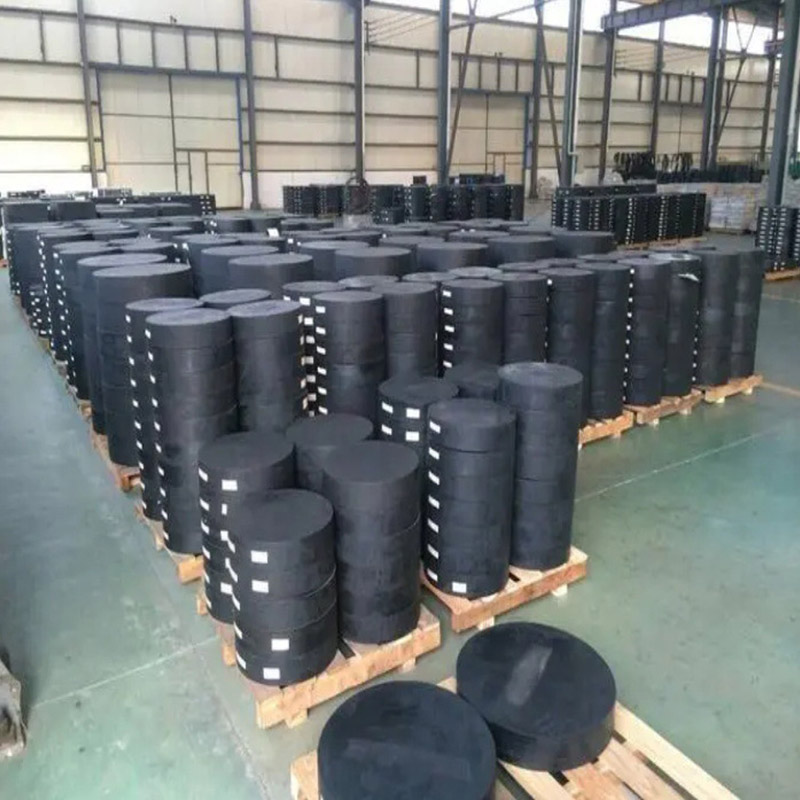 Is Your Bridge Bearing Pad Specified for the Wrong Rubber Grade? Why Elastomeric Bridge Bearing Pad Selection Decides 50-Year Deck Life
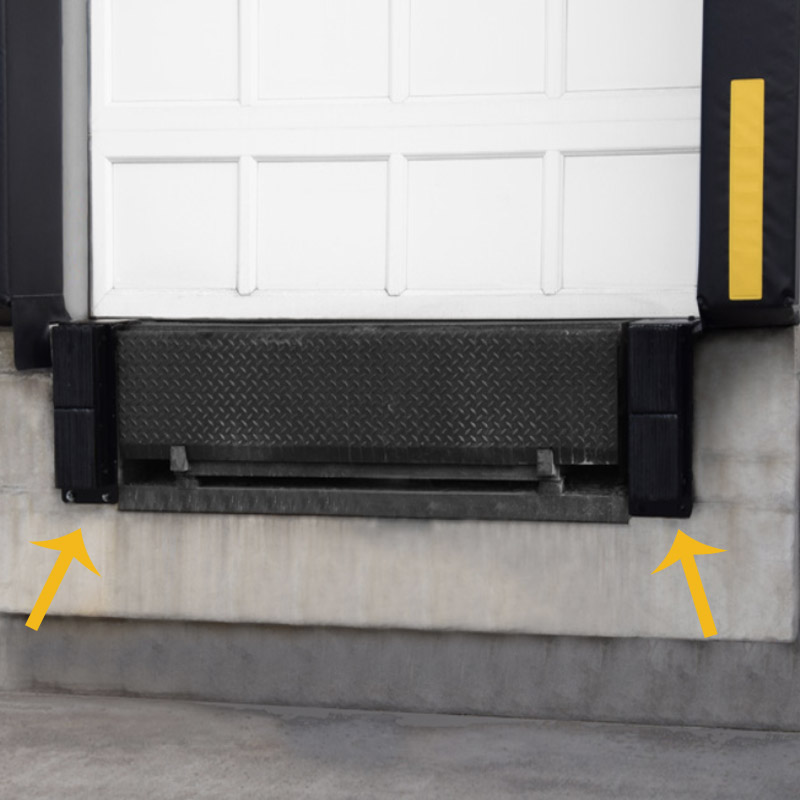 Can a Loading Dock Bumper Survive -30°C Winters and +50°C Summers? Here Is the Extreme-Weather Data