
In the realm of engineering and everyday applications, the unassuming rubber plug often plays a critical yet overlooked role. These small, versatile components are integral to maintaining the integrity of various systems by effectively preventing moisture ingress. Whether it's safeguarding electronic devices, preserving the lifespan of machinery, or ensuring the functionality of household items, rubber plugs serve as the unsung heroes, shielding sensitive components from the damaging effects of water and humidity. This article delves into the significance of rubber plugs, exploring their design, materials, applications, and the myriad ways they contribute to protecting devices from moisture-related damage.
Understanding the Importance of Moisture Protection
Moisture ingress is a pervasive issue that can wreak havoc on a wide range of equipment and structures. Water, in its various forms—liquid, vapor, or condensation—can渗透 into crevices, seams, and openings, causing corrosion, short circuits, mold growth, and other forms of degradation. Electronics, in particular, are highly susceptible to moisture damage, which can lead to costly repairs or complete system failures. Therefore, effective moisture management is paramount in maintaining the reliability and longevity of these devices.
The Design and Functionality of Rubber Plugs
Rubber plugs are designed to fit snugly into openings, effectively sealing them off from external elements. Their design simplicity belies their effectiveness; they come in various shapes and sizes, tailored to fit different types of holes and ports. Some plugs feature ribs or grooves for enhanced grip, while others may incorporate O-rings or gaskets to provide an additional layer of sealing.
The material composition of rubber plugs is crucial to their performance. Rubbers such as silicone, neoprene, nitrile, and EPDM (ethylene propylene diene monomer) are commonly used due to their elasticity, durability, and resistance to water, chemicals, and temperature extremes. Silicone, for instance, is favored for its excellent weather resistance and ability to maintain flexibility over a wide temperature range. Neoprene offers good oil and solvent resistance, making it suitable for industrial applications. Nitrile, known for its strength and abrasion resistance, is often used in automotive settings. EPDM, meanwhile, provides outstanding ozone and UV resistance, making it ideal for outdoor use.
Applications Across Industries
Rubber plugs find applications across a diverse array of industries, each with its unique moisture protection needs.
Electronics Industry: In the electronics sector, rubber plugs are indispensable for protecting connectors, ports, and other openings on devices such as smartphones, tablets, cameras, and outdoor equipment. They prevent water and dust from entering, ensuring that the internal components remain dry and functional, even in harsh environments.
Automotive Sector: Vehicles are exposed to a variety of weather conditions, making moisture protection crucial. Rubber plugs are used to seal engine compartments, electrical connections, and drainage holes, safeguarding against water ingress that could cause short circuits or corrosion.
Construction and Infrastructure: In construction, rubber plugs play a vital role in sealing joints, gaps, and penetrations in buildings and bridges. They help prevent water infiltration, which can lead to structural damage, mold growth, and compromised safety.
Maritime and Aerospace: In maritime and aerospace applications, where equipment is subjected to extreme environmental conditions, rubber plugs are essential for maintaining the waterproof integrity of navigational instruments, communication devices, and other critical systems.
Household Use: At home, rubber plugs are commonly used to seal sinks, baths, and shower drains, preventing water from leaking into areas where it shouldn't be, such as underfloor spaces or behind walls. They also find use in sealing gaps around windows and doors to improve insulation and prevent drafts.
Benefits of Using Rubber Plugs
The adoption of rubber plugs offers several advantages:
Cost-Effectiveness: Compared to other sealing methods, rubber plugs are relatively inexpensive and easy to install, making them a cost-effective solution for moisture protection.
Versatility: The availability of different materials and designs allows rubber plugs to be tailored to specific applications, ensuring optimal performance.
Durability: High-quality rubber materials can withstand prolonged exposure to moisture, chemicals, and temperature fluctuations, providing long-lasting protection.
Ease of Use: Rubber plugs are straightforward to install and remove, facilitating maintenance and repairs without the need for specialized tools or expertise.
Environmental Considerations
As the world becomes increasingly conscious of sustainability, the environmental impact of rubber plugs cannot be overlooked. Manufacturers are increasingly adopting eco-friendly materials and production processes to minimize waste and reduce their carbon footprint. Recycling programs for rubber products are also gaining traction, ensuring that used rubber plugs can be responsibly disposed of or repurposed.
In conclusion, rubber plugs are indispensable components in the battle against moisture ingress. Their ability to seal off openings effectively, combined with their versatility, durability, and cost-effectiveness, makes them an essential tool in protecting a wide range of devices and structures from the damaging effects of water and humidity. From electronics to automotive, construction to maritime, and even in our homes, rubber plugs play a critical role in maintaining the integrity and longevity of the systems we rely on daily.
As technology advances and environmental concerns grow, the development of more sustainable rubber materials and innovative plug designs will further enhance their efficacy and appeal. By recognizing and appreciating the humble rubber plug's contribution, we can better appreciate its role in safeguarding our valuable equipment and infrastructure, ensuring they continue to function reliably, come rain or shine.
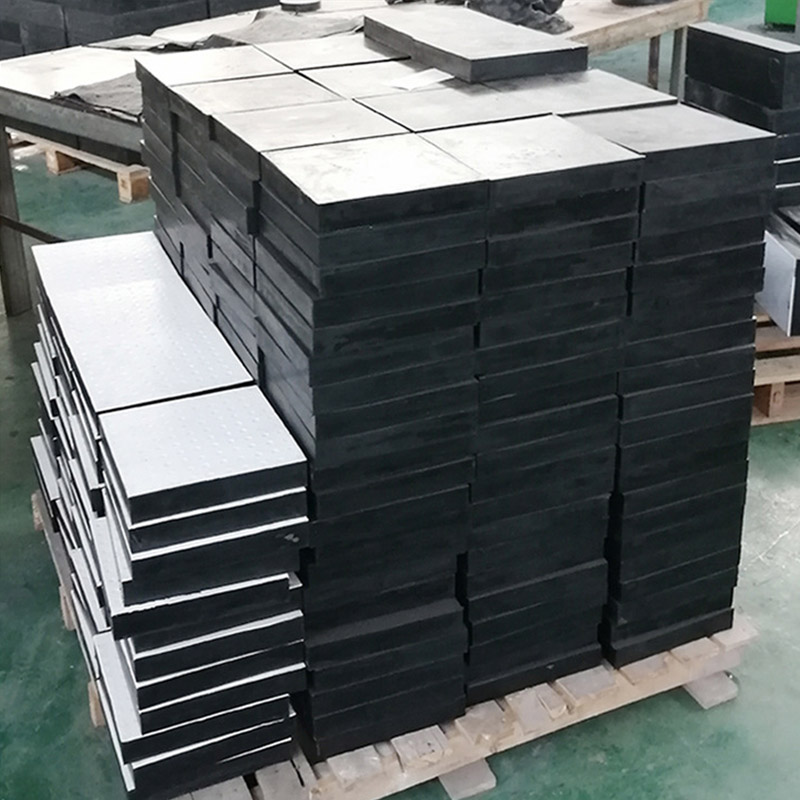 Why Do Some Bridge Bearing Pads Fail in Five Years While Others Last Fifty? A Root-Cause Analysis
 How Much Load Can a Bridge Bearing Pad Actually Carry? Engineering Data for Safe Girder Support
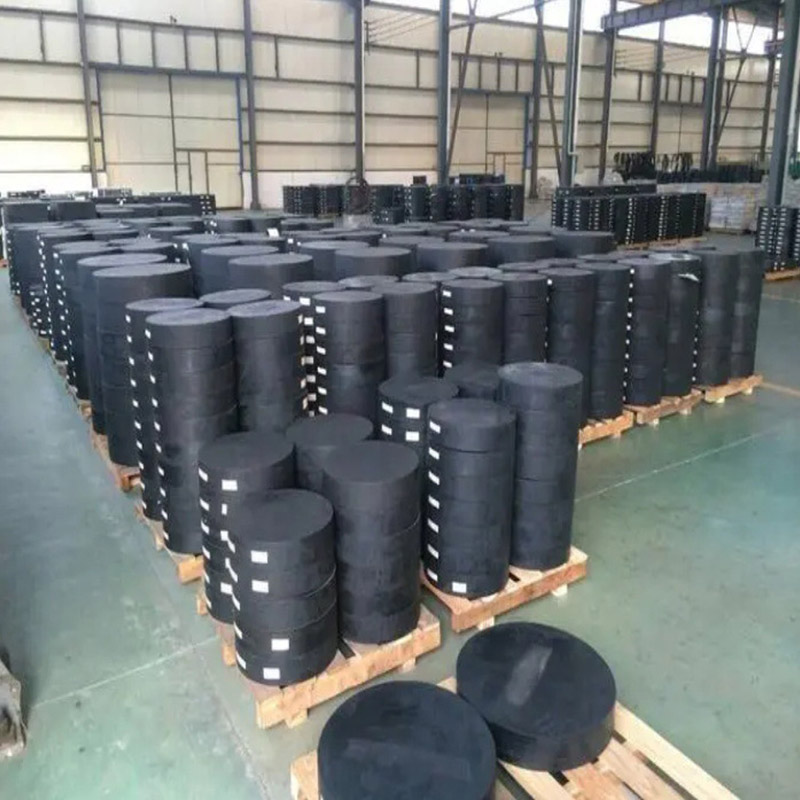 Is Your Bridge Bearing Pad Specified for the Wrong Rubber Grade? Why Elastomeric Bridge Bearing Pad Selection Decides 50-Year Deck Life
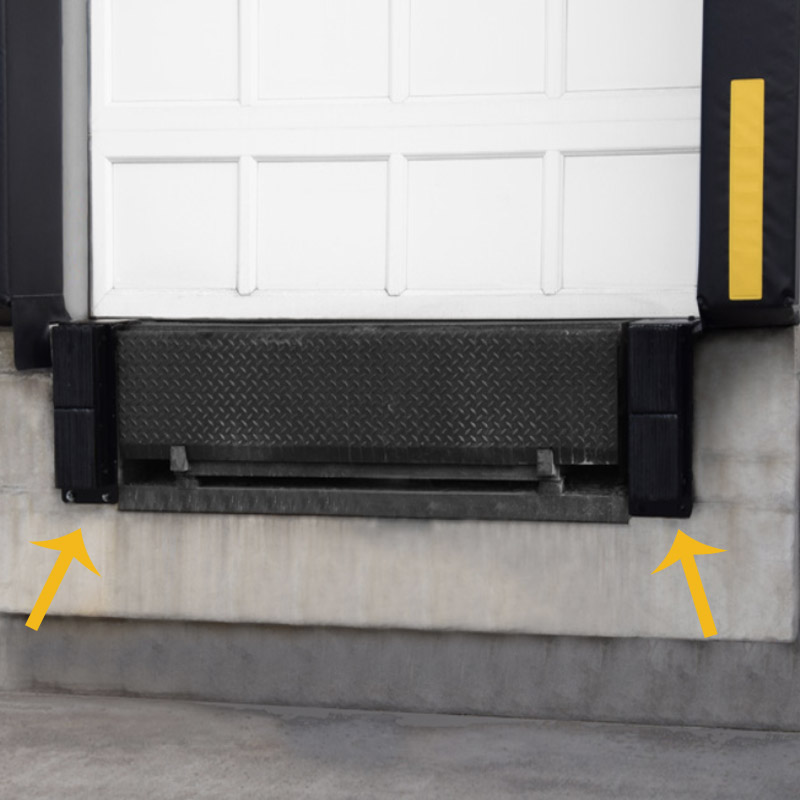 Can a Loading Dock Bumper Survive -30°C Winters and +50°C Summers? Here Is the Extreme-Weather Data