
In the vast and intricate network of modern transportation, railways stand as a cornerstone of efficiency, connectivity, and sustainability. As the world moves towards more environmentally conscious modes of travel, the importance of reliable and durable railway infrastructure cannot be overstated. One often-overlooked yet crucial component in this infrastructure is the rubber plug, which plays a vital role in ensuring the safety, functionality, and longevity of railway systems. This article delves into the various applications, benefits, and advancements in rubber plug solutions tailored for railway use, highlighting their indispensable contribution to the smooth operation of trains worldwide.
The Role of Rubber Plugs in Railway Systems
Rubber plugs serve multiple purposes in railway applications, ranging from sealing and protecting critical components to facilitating maintenance and inspection processes. Their versatility, durability, and resistance to harsh environmental conditions make them an ideal choice for various railway needs. Here are some key areas where rubber plugs are extensively utilized:
Sealing and Insulation: In railway systems, rubber plugs are employed to seal gaps and openings in train carriages, engines, and trackside equipment. This sealing function is crucial for preventing moisture ingress, dust accumulation, and noise pollution, thereby maintaining a comfortable and safe environment for passengers and crew. Additionally, rubber plugs provide electrical insulation, safeguarding against short circuits and other electrical hazards.
Vibration Damping: Trains generate significant vibrations during operation, which can lead to component wear and tear, as well as noise pollution. Rubber plugs, with their inherent damping properties, help absorb and dissipate these vibrations, reducing stress on mechanical parts and enhancing overall ride quality.
Component Protection: During manufacturing, transportation, and storage, railway components such as axles, bearings, and electrical connectors require protection from dirt, debris, and corrosive agents. Custom-fit rubber plugs offer a cost-effective solution, shielding these components until they are ready for installation or use.
Maintenance and Inspection Access: Railway maintenance crews often need quick and easy access to specific parts for inspection, repair, or replacement. Rubber plugs with removable designs enable efficient access while maintaining sealing integrity when not in use, ensuring that routine maintenance does not compromise system performance.
Types of Rubber Plugs for Railway Applications
The diversity of railway applications necessitates a range of rubber plug designs, each tailored to specific requirements. Some common types include:
Threaded Plugs: These plugs feature a threaded exterior, allowing them to be securely screwed into mating threads in components like pipe fittings, valve openings, and electrical enclosures. Their tight fit ensures superior sealing and easy removal when needed.
Push-Fit Plugs: Designed for quick installation and removal, push-fit plugs rely on elastic properties to create a secure seal without the need for threading. They are ideal for temporary sealing applications where speed and convenience are paramount.
Vent Plugs: Vent plugs incorporate small holes or membranes that allow for pressure equalization while preventing the ingress of moisture and contaminants. They are commonly used in enclosures that experience temperature fluctuations or pressure changes, such as railway signaling equipment.
Expansion Plugs: In applications where components may expand or contract due to temperature variations, expansion plugs provide a flexible sealing solution. Their design accommodates dimensional changes without compromising the seal, making them suitable for use in railway track joints and structural connections.
Material Considerations for Railway Rubber Plugs
The selection of the right rubber material is critical to the performance and longevity of rubber plugs in railway applications. Factors such as temperature resistance, chemical compatibility, mechanical strength, and weathering resistance must be carefully considered. Some common rubber materials used in railway plugs include:
EPDM (Ethylene Propylene Diene Monomer): Known for its excellent weather resistance, ozone resistance, and wide temperature range, EPDM is a popular choice for outdoor railway applications.
Nitrile (NBR): Nitrile rubber offers good oil and fuel resistance, making it suitable for applications where exposure to lubricants or hydraulic fluids is a concern.
Silicone: Silicone rubber provides exceptional temperature stability, flexibility, and resistance to UV radiation, making it ideal for high-temperature environments and applications requiring long-term exposure to the elements.
Neoprene: With its balance of mechanical strength, oil resistance, and weathering resistance, neoprene is often used in general-purpose railway sealing applications.
Advancements in Rubber Plug Technology
As railway technology evolves, so too do the rubber plug solutions that support it. Recent advancements include:
Customizable Designs: Advances in manufacturing techniques allow for the production of rubber plugs with complex shapes and features, tailored to fit specific railway components and applications.
Enhanced Durability: The development of new rubber compounds and treatments has led to rubber plugs with improved wear resistance, tear strength, and abrasion resistance, extending their service life in demanding railway environments.
Smart Sealing Solutions: Some rubber plugs now incorporate integrated sensors or indicators that monitor sealing integrity, pressure, or temperature, providing early warning of potential issues and facilitating predictive maintenance.
Sustainability: With a growing focus on environmental responsibility, rubber plug manufacturers are exploring eco-friendly materials and recycling options to reduce the environmental impact of their products.
Rubber plugs may be small, but their impact on railway operations is significant. From sealing and protecting critical components to facilitating maintenance and enhancing ride quality, these versatile devices play a crucial role in ensuring the safety, reliability, and efficiency of railway systems. As technology continues to advance, so too will the rubber plug solutions that support the railway industry, enabling even greater performance, durability, and sustainability.
In summary, rubber plugs are an indispensable component in modern railway applications, contributing to the smooth and safe operation of trains worldwide. By understanding their various types, material considerations, and technological advancements, railway operators can select the most appropriate rubber plug solutions to meet their specific needs, ultimately enhancing the overall performance and longevity of their railway infrastructure.
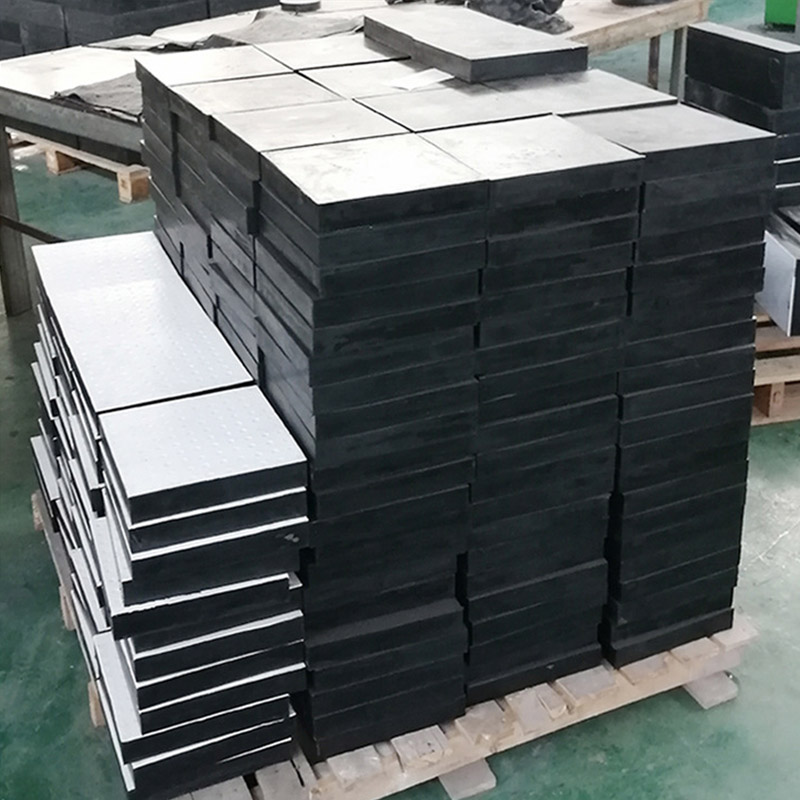 Why Do Some Bridge Bearing Pads Fail in Five Years While Others Last Fifty? A Root-Cause Analysis
 How Much Load Can a Bridge Bearing Pad Actually Carry? Engineering Data for Safe Girder Support
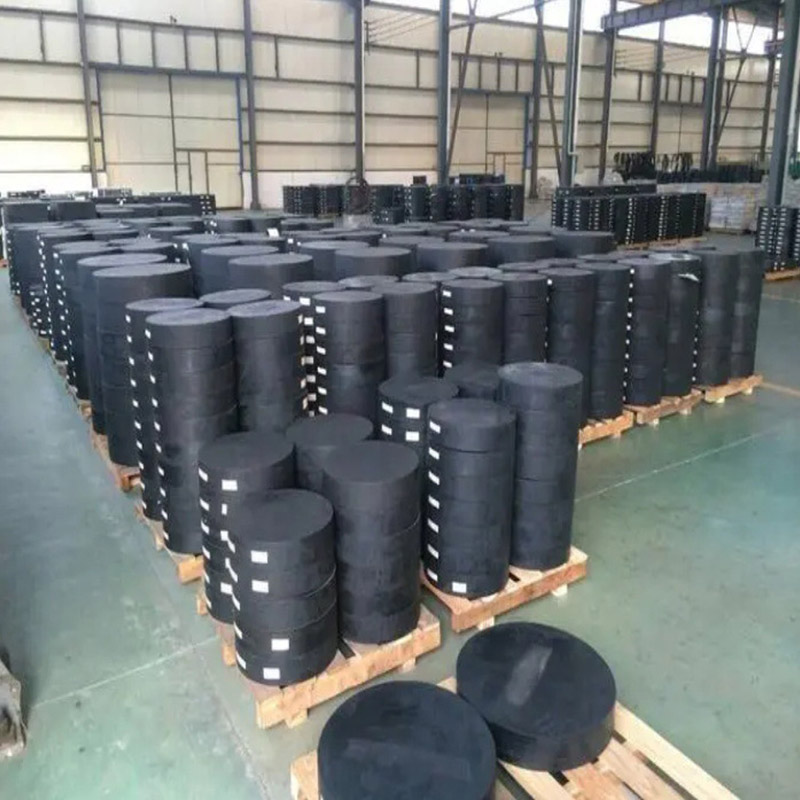 Is Your Bridge Bearing Pad Specified for the Wrong Rubber Grade? Why Elastomeric Bridge Bearing Pad Selection Decides 50-Year Deck Life
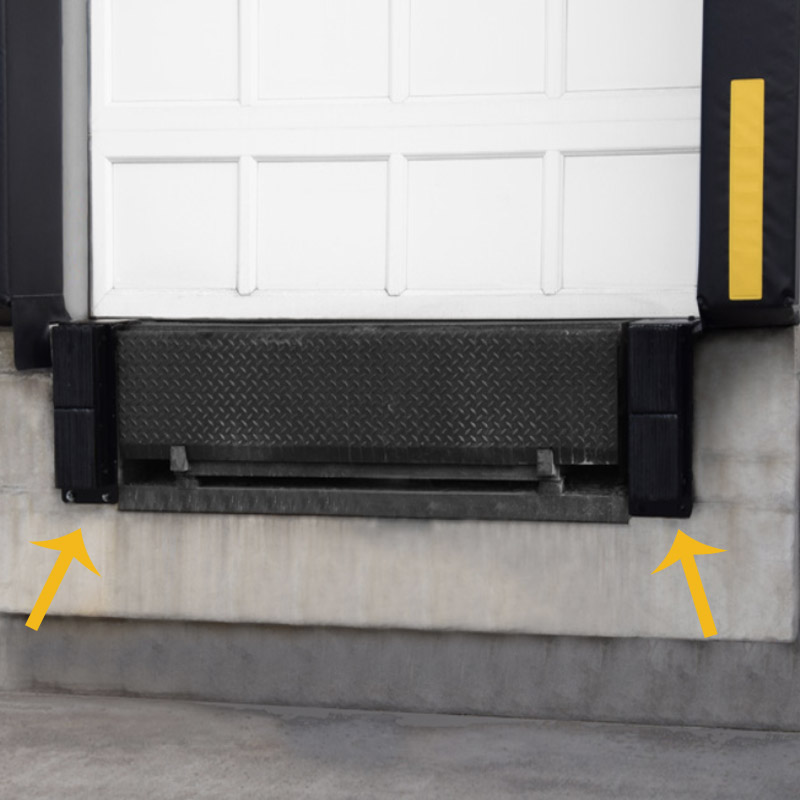 Can a Loading Dock Bumper Survive -30°C Winters and +50°C Summers? Here Is the Extreme-Weather Data