
Heating, Ventilation, and Air Conditioning (HVAC) systems are the backbone of indoor comfort, ensuring homes and businesses stay cool in summer and warm in winter. However, maintaining these systems requires attention to detail, especially when sealing openings during installation, repairs, or upgrades. Rubber service plugs, a versatile and reliable solution, play a critical role in protecting HVAC components from contaminants, moisture, and debris. This guide explores their applications, benefits, and best practices for use in HVAC systems, tailored for American audiences seeking practical insights.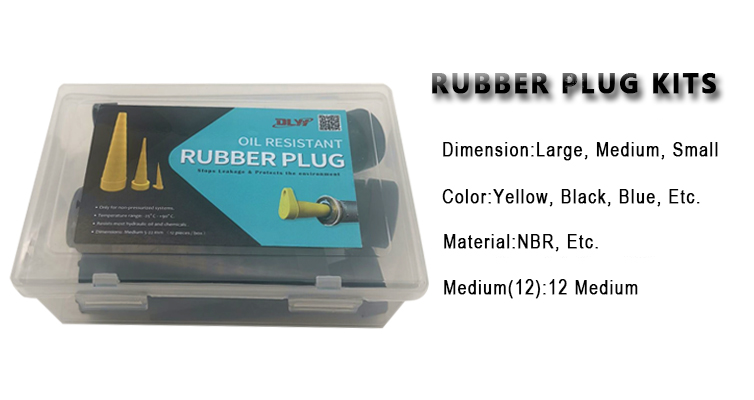
Why Rubber Service Plugs Are Essential for HVAC Maintenance
HVAC systems are complex networks of ducts, pipes, and valves, often requiring temporary sealing during maintenance. For instance, when replacing a filter or inspecting a coil, leaving openings exposed can invite dust, pests, or even water damage. Rubber service plugs provide a simple yet effective barrier, preventing unwanted elements from entering the system. Their flexibility allows them to fit snugly into irregularly shaped holes, while their durability ensures they withstand temperature fluctuations and environmental stress. Unlike rigid alternatives, rubber plugs adapt to the system’s needs, reducing the risk of leaks or inefficiencies.
Common Applications in Residential and Commercial HVAC Systems
Rubber service plugs are used across various HVAC scenarios. In residential settings, they seal access ports during routine maintenance, such as cleaning ductwork or installing smart thermostats. For example, when a technician needs to isolate a section of ducting for repairs, a plug can temporarily block airflow, making the job safer and more efficient. In commercial HVAC systems, which often involve larger-scale components like chillers or boilers, plugs help seal test ports or drainage openings during pressure checks or refrigerant recharges. Their versatility extends to industrial environments, where they protect sensitive equipment during shutdowns or retrofits.
Choosing the Right Size and Material for Your HVAC System
Not all rubber plugs are created equal. Selecting the correct size and material depends on the specific application. For instance, a plug designed for a 2-inch duct opening will differ from one used in a high-temperature exhaust pipe. Measure the opening carefully and choose a plug that fits snugly without forcing it, as overstretching can compromise its seal. Material selection is equally important: standard rubber works well for most indoor applications, while silicone-based plugs are better suited for extreme temperatures or exposure to chemicals. Consulting with an HVAC professional or referencing industry guidelines can help ensure compatibility.
Step-by-Step Guide to Installing Rubber Service Plugs
Installing rubber plugs is straightforward, but precision matters. First, clean the opening to remove debris or residue that could prevent a proper seal. Next, gently stretch the plug to fit the hole, ensuring it covers the entire perimeter without gaps. For threaded ports, twist the plug clockwise until it sits flush. Avoid over-tightening, as this can damage the rubber or the surrounding surface. Once installed, inspect the seal by running your hand around the edges—you should feel no air escaping. If the plug is used temporarily, label it to avoid confusion during future maintenance.
Maximizing Efficiency: How Rubber Plugs Reduce Energy Waste
A well-sealed HVAC system operates more efficiently, saving energy and lowering utility bills. Even small leaks can force the system to work harder, increasing wear and tear. Rubber plugs act as insulators, preventing conditioned air from escaping through unused ports or during repairs. This is particularly valuable in commercial buildings, where HVAC costs can account for a significant portion of operating expenses. By incorporating plugs into routine maintenance, facilities managers can extend the lifespan of their equipment and reduce the need for costly repairs.
Safety Precautions When Working with Rubber Plugs in HVAC Systems
While rubber plugs are safe for most applications, certain precautions are necessary. Always wear gloves when handling plugs to protect against sharp edges or hot surfaces. If working on a live system, ensure the equipment is powered down to avoid electrical hazards. Additionally, avoid using plugs made from materials that could react with refrigerants or other chemicals in the system. For high-pressure applications, opt for plugs rated to withstand the expected pressure levels. When in doubt, consult the system’s manual or a certified technician.
Long-Term Maintenance Tips for Rubber Service Plugs
To ensure rubber plugs remain effective over time, inspect them regularly for signs of wear, such as cracks or brittleness. Exposure to sunlight, oils, or extreme temperatures can degrade the material, reducing its sealing capability. Store unused plugs in a cool, dry place away from direct sunlight. If a plug becomes damaged, replace it immediately to maintain system integrity. For reusable plugs, clean them with mild soap and water after each use to remove dirt or residue.
Conclusion: Enhancing HVAC Performance with Rubber Service Plugs
Rubber service plugs are a small but mighty tool in HVAC maintenance, offering a cost-effective way to protect systems from contaminants, reduce energy waste, and improve efficiency. By understanding their applications, selecting the right type, and following proper installation and maintenance practices, homeowners and businesses alike can ensure their HVAC systems run smoothly for years to come. Whether you’re a DIY enthusiast or a seasoned professional, incorporating rubber plugs into your maintenance routine is a step toward greater reliability and peace of mind.
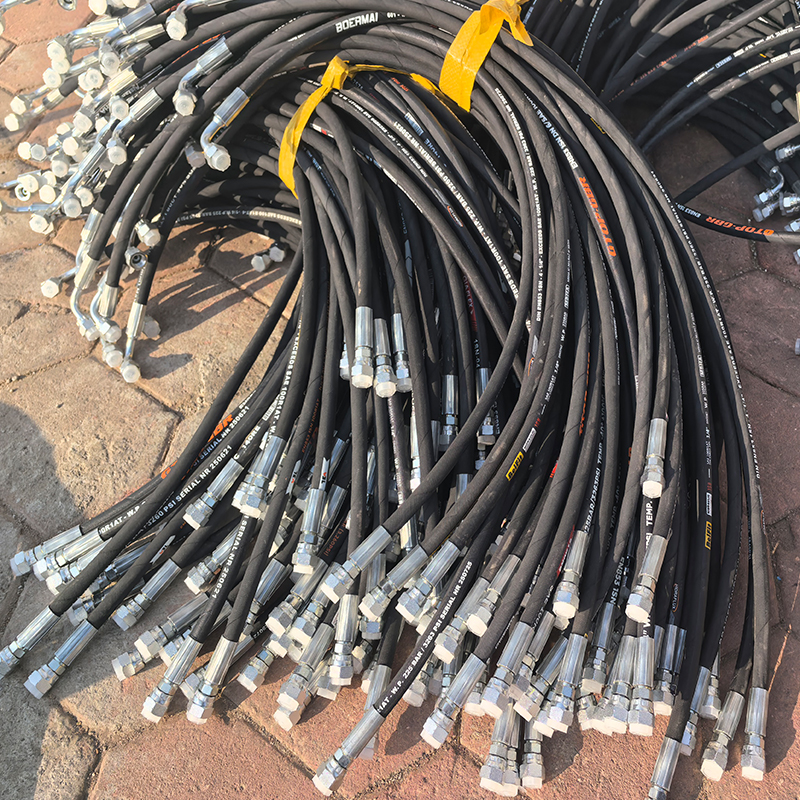 How to Create a Proactive Spiral Hydraulic Hose Replacement Plan That Prevents Downtime?
 Is Your Hydraulic System Overstressing? 5 Diagnostic Signs You Need to Upgrade to Spiral Hose
 Is Your Hydraulic System Pushing Limits? When to Specify Spiral Hose vs. Braided?
 Is Your Machinery Demanding More? Why Upgrade to a Spiral Hydraulic Hose?