
For many Americans who rely on vehicles for daily commutes, long road trips, or off-road adventures, understanding the lifespan of critical components like hub oil seals is essential. These small yet vital parts prevent lubricants from leaking and protect bearings from contaminants, ensuring smooth wheel rotation. However, their durability isn’t guaranteed—it’s influenced by a mix of environmental, operational, and maintenance-related factors. Let’s explore what determines how long a hub oil seal lasts and how to maximize its service life.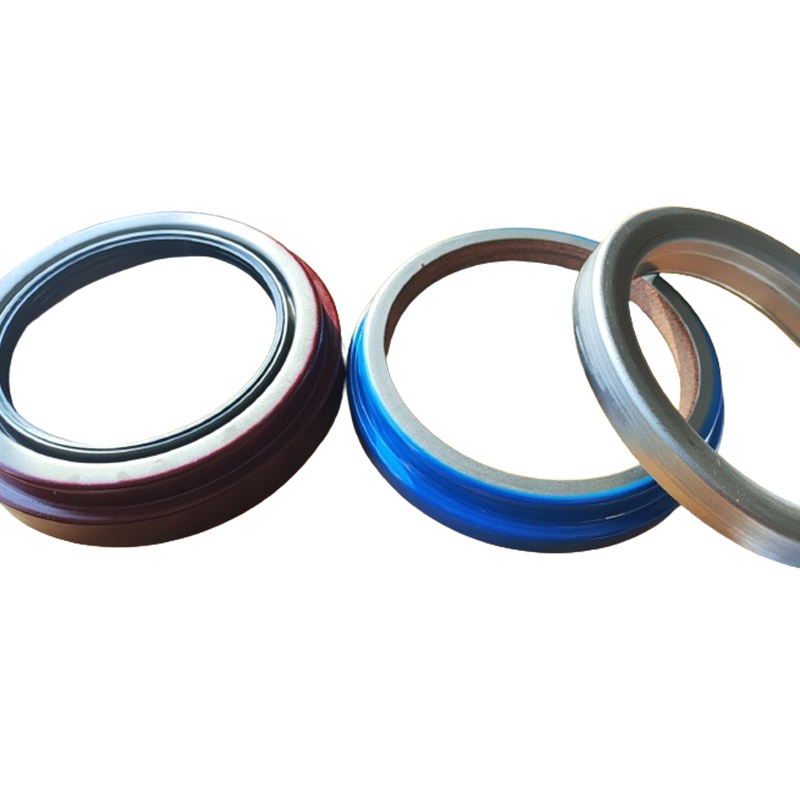
Material Quality: The Foundation of Longevity
The materials used to manufacture a hub oil seal directly impact its ability to withstand wear, heat, and chemical exposure. Most seals are made from synthetic rubber compounds like nitrile, silicone, or fluorocarbon, each suited to different conditions. For example, nitrile rubber is affordable and effective in moderate temperatures but may degrade faster under extreme heat or exposure to certain oils. In contrast, silicone seals resist higher temperatures but can be less durable against abrasive particles.
The metal casing and spring within the seal also play a role. Stainless steel or hardened alloys resist corrosion, while weaker metals may rust over time, compromising the seal’s integrity. When seals are made from subpar materials, they’re more likely to crack, harden, or lose elasticity prematurely, leading to leaks. Investing in seals crafted from high-grade materials tailored to the vehicle’s usage environment can significantly extend their lifespan.
Environmental Conditions: Heat, Dirt, and Moisture
Vehicles operate in diverse climates, from the scorching deserts of Nevada to the humid coasts of Florida. Extreme temperatures accelerate the breakdown of rubber components. In hot conditions, seals may soften and lose shape, while cold climates can make them brittle and prone to cracking. Additionally, frequent exposure to moisture—such as driving through puddles or snow—can lead to rust on the seal’s metal parts or corrosion on the sealing surface.
Dust and debris are equally problematic. Off-road vehicles or those driven on gravel roads face higher levels of abrasive particles that can scratch the seal or embed themselves in the lubricant, causing gradual wear. Even everyday urban driving exposes seals to road salt in winter, which accelerates corrosion. Regular cleaning of the wheel hub area and avoiding prolonged exposure to harsh elements can mitigate these risks.
Installation Practices: Precision Matters
A hub oil seal’s lifespan often hinges on how well it’s installed. Improper installation—such as using incorrect tools, misaligning the seal, or overtightening components—can damage the seal before it even enters service. For instance, a seal installed at an angle won’t sit flush against the hub, creating gaps for contaminants to enter. Similarly, using excessive force during installation can deform the rubber or break the internal spring, rendering the seal ineffective.
Professional mechanics follow strict protocols to ensure seals are installed correctly, but DIY enthusiasts may overlook critical steps. Always refer to the vehicle’s service manual for torque specifications and alignment guidelines. Using specialized installation tools, like seal drivers, can also prevent accidental damage and ensure a snug fit.
Maintenance Habits: Proactive Care Extends Life
Regular maintenance is one of the most controllable factors influencing seal durability. Neglecting routine checks allows minor issues to escalate into major failures. For example, low lubricant levels in the wheel bearings increase friction and heat, stressing the seal. Similarly, using the wrong type of grease—such as one incompatible with the seal material—can cause the rubber to swell or deteriorate.
During oil changes or tire rotations, inspect the hub area for signs of leakage, such as grease stains or moisture buildup. Clean the sealing surface to remove dirt or old grease, which can create a rough texture that wears down the seal over time. Replacing worn bearings promptly is also crucial, as a damaged bearing can shift position and place uneven pressure on the seal.
Driving Habits: How You Drive Affects Wear
Aggressive driving styles, such as hard braking, rapid acceleration, or frequent high-speed turns, generate more heat and stress on wheel components. This increased friction can cause the seal to wear out faster, especially if the vehicle is already operating under heavy loads or in hot weather. Off-road driving poses additional challenges, as bumps and impacts can jolt the seal out of alignment or damage surrounding parts.
Conversely, smooth, consistent driving reduces strain on the hub assembly. Avoiding overloading the vehicle—such as exceeding its towing capacity—also helps maintain proper alignment and reduces heat buildup. For those who frequently tow trailers or carry heavy cargo, investing in upgraded seals designed for high-duty cycles may be worthwhile.
Signs of Wear: When to Replace a Hub Oil Seal
Even with diligent care, seals will eventually wear out. Recognizing the early warning signs can prevent costly damage to wheel bearings or other components. Common indicators include:
Grease leaks: Puddles of grease near the wheel hub or along the brake rotor.
Unusual noises: Grinding or whining sounds from the wheel area, often caused by contaminated bearings.
Excessive play: A loose wheel that wobbles when jacked up, suggesting bearing or seal failure.
Overheating: Wheels that feel unusually hot to the touch after driving, possibly due to friction from dried-out bearings.
Ignoring these symptoms can lead to bearing failure, which may require replacing the entire hub assembly—a far more expensive repair than a simple seal replacement.
Conclusion: A Small Part with a Big Impact
Hub oil seals may be small, but their role in vehicle performance is undeniable. By understanding the factors that affect their lifespan—from material quality to driving habits—owners can take proactive steps to protect these components. Regular inspections, proper installation, and mindful maintenance are key to avoiding premature failures and ensuring smooth, safe rides for miles to come. Whether navigating city streets or rugged trails, a little attention to detail goes a long way in preserving the health of your vehicle’s hub assembly.
 Is Your Hydraulic System Overstressing? 5 Diagnostic Signs You Need to Upgrade to Spiral Hose
 Is Your Hydraulic System Pushing Limits? When to Specify Spiral Hose vs. Braided?
 Is Your Machinery Demanding More? Why Upgrade to a Spiral Hydraulic Hose?
 Why Choose a Spiral Hydraulic Hose for Your High-Pressure Applications?