
When it comes to maintaining the longevity and efficiency of automotive hubs, the choice of materials for oil seals plays a pivotal role. These seals prevent lubricant leakage and keep contaminants out, ensuring smooth operation of wheel bearings and other critical components. But with a variety of materials available, how do engineers and mechanics determine the best options? This article explores the top materials used in hub oil seals, their properties, and their suitability for different applications, all tailored for an American audience seeking practical insights.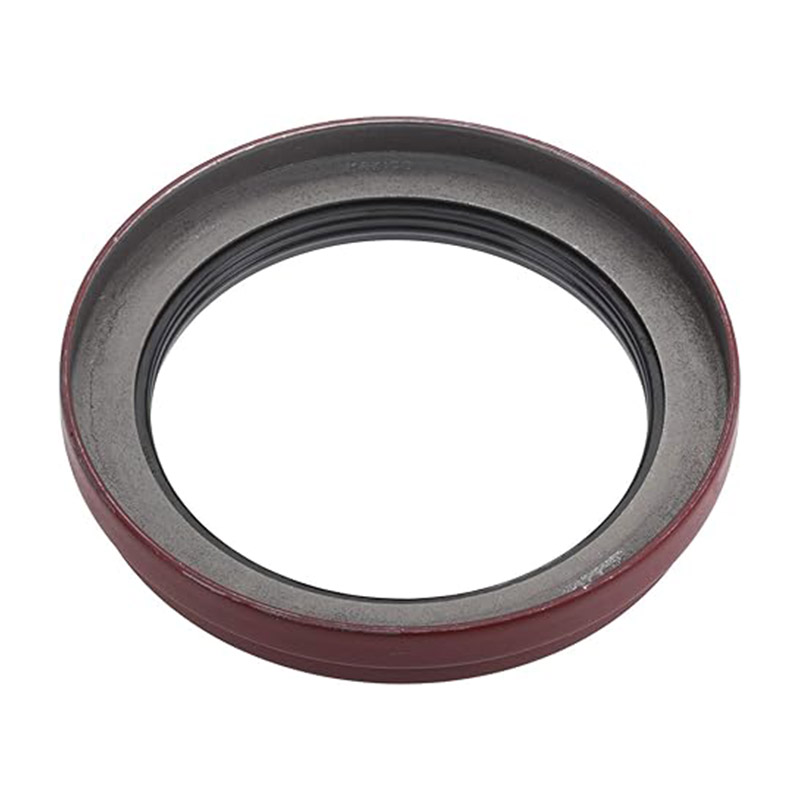
1. Nitrile Rubber (NBR): The Workhorse of Oil Seals
Nitrile rubber, commonly referred to as NBR, is one of the most widely used materials for hub oil seals, especially in standard automotive applications. Its popularity stems from its excellent resistance to oils, fuels, and greases, making it ideal for environments where exposure to these substances is frequent. NBR seals are also cost-effective, durable, and capable of withstanding temperatures ranging from -40°F to 250°F, depending on the formulation.
However, NBR has limitations. It performs poorly in extreme cold or heat and degrades when exposed to sunlight, ozone, or certain chemicals. For everyday passenger vehicles operating in moderate climates, NBR strikes a balance between performance and affordability, earning its reputation as a reliable choice.
2. Fluorocarbon Rubber (FKM): High-Performance Sealing Under Pressure
For applications demanding superior resistance to heat and chemicals, fluorocarbon rubber (FKM) emerges as a top contender. Often used in high-performance vehicles, heavy-duty trucks, and industrial machinery, FKM seals maintain their integrity in temperatures up to 400°F and resist degradation from synthetic lubricants, solvents, and even some acids.
The downside? FKM is significantly more expensive than NBR, which can be a barrier for budget-conscious consumers. Additionally, its low-temperature flexibility is inferior to other materials, limiting its use in cold climates without specialized formulations. Despite these drawbacks, FKM’s durability in harsh conditions makes it a favorite among engineers prioritizing longevity over cost.
3. Silicone Rubber: Flexibility in Extreme Temperatures
Silicone rubber stands out for its exceptional ability to function in extreme temperature ranges, from -75°F to 450°F. This material retains its flexibility in freezing conditions and won’t melt or harden under intense heat, making it suitable for hubs exposed to severe environmental fluctuations. Silicone seals are also resistant to ozone and UV radiation, reducing the risk of cracking over time.
However, silicone’s chemical resistance is weaker compared to NBR or FKM. It’s not recommended for applications involving prolonged contact with oils or fuels, as prolonged exposure can cause swelling or degradation. Silicone is best reserved for specialized vehicles or components where temperature stability is paramount, such as in off-road equipment or aerospace applications.
4. Polyacrylate Rubber (ACM): Balancing Cost and Heat Resistance
Polyacrylate rubber (ACM) offers a middle ground between NBR and FKM in terms of cost and performance. It excels in high-temperature environments, withstanding up to 350°F, and provides good resistance to engine oils and transmission fluids. ACM is often used in automotive transmissions and powertrain systems, where heat and lubricant exposure are constant challenges.
The trade-off? ACM lacks the broad chemical resistance of FKM and isn’t as flexible as silicone in cold temperatures. It’s also prone to degradation when exposed to water or steam, limiting its use in wet environments. For drivers seeking a budget-friendly alternative to FKM without sacrificing too much heat resistance, ACM is worth considering.
5. PTFE (Teflon): The Low-Friction Champion
Polytetrafluoroethylene (PTFE), commonly known by the trade name Teflon, is a synthetic fluoropolymer renowned for its low friction and chemical inertness. PTFE-based seals are often used in high-speed or high-load hub applications, such as racing vehicles or heavy machinery, where reducing wear and heat generation is critical. Unlike rubber, PTFE doesn’t swell when exposed to oils or fuels, ensuring consistent performance over time.
The primary drawback of PTFE is its rigidity. It’s rarely used alone in hub seals; instead, it’s combined with elastomers like rubber to create composite seals that offer both flexibility and durability. Additionally, PTFE is more expensive than traditional rubber materials, though its longevity can justify the cost in high-stress applications.
6. Hydrogenated Nitrile Rubber (HNBR): The Next Generation of NBR
Hydrogenated nitrile rubber (HNBR) is an upgraded version of standard NBR, engineered to address its weaknesses. Through hydrogenation, HNBR gains enhanced heat resistance (up to 300°F), improved ozone and chemical resistance, and better low-temperature flexibility. These properties make it a popular choice for modern vehicles, including electric and hybrid models, where seals must endure new types of lubricants and operating conditions.
While HNBR is more expensive than NBR, its extended lifespan and versatility justify the investment for many manufacturers. It’s also a more sustainable option, as its durability reduces the need for frequent replacements, aligning with growing consumer demand for eco-friendly automotive parts.
Conclusion: Choosing the Right Material for Your Needs
Selecting the best material for hub oil seals depends on a variety of factors, including operating temperature, chemical exposure, budget, and intended use. For everyday commuters, NBR remains a cost-effective and reliable choice, while FKM or HNBR may better suit high-performance or heavy-duty applications. Silicone and PTFE excel in niche scenarios involving extreme temperatures or low friction, respectively, while ACM offers a balanced alternative for those seeking heat resistance without breaking the bank.
Ultimately, consulting with a trusted mechanic or engineer can help determine the optimal material based on your specific vehicle and driving conditions. By understanding the strengths and limitations of each option, you can ensure your hubs remain protected, reducing maintenance costs and enhancing safety on the road.
In a world where automotive technology continues to evolve, the right oil seal material can make all the difference in performance and reliability. Whether you’re a casual driver or a seasoned mechanic, staying informed about these materials empowers you to make smarter choices for your vehicle’s health.
 Is Your Hydraulic System Overstressing? 5 Diagnostic Signs You Need to Upgrade to Spiral Hose
 Is Your Hydraulic System Pushing Limits? When to Specify Spiral Hose vs. Braided?
 Is Your Machinery Demanding More? Why Upgrade to a Spiral Hydraulic Hose?
 Why Choose a Spiral Hydraulic Hose for Your High-Pressure Applications?