
In the vast realm of industrial manufacturing, rubber plugs serve as unsung heroes, playing a crucial role in sealing, protecting, and ensuring the functionality of various components and systems. From automotive engines to plumbing fixtures, and from electrical enclosures to marine applications, rubber plugs are indispensable in preventing leakage, contamination, and damage. However, the effectiveness and reliability of these plugs hinge significantly on adherence to industry standards and regulations. This article delves into the intricacies of rubber plug standards, exploring the key factors that define them, the regulatory bodies involved, and the importance of compliance for manufacturers and end-users alike.
The Significance of Rubber Plug Standards
Rubber plugs are designed to fit into openings or orifices to provide a tight seal against fluids, gases, or solid particles. Their versatility makes them essential across multiple industries, each with its unique set of requirements and challenges. Standards for rubber plugs are therefore established to ensure consistency in quality, performance, and safety. These standards help manufacturers produce plugs that meet the specific needs of different applications, while also providing a benchmark for end-users to evaluate and select the right product.
Compliance with industry standards is not just a matter of meeting customer expectations; it is often a legal requirement. Regulatory bodies worldwide set standards to protect consumers, prevent environmental harm, and promote fair trade practices. Non-compliance can result in product recalls, legal penalties, and damage to a company's reputation. Thus, understanding and adhering to rubber plug standards is vital for manufacturers seeking to operate in a competitive and regulated market.
Key Factors Defining Rubber Plug Standards
Several factors influence the development of rubber plug standards. These include material composition, dimensional accuracy, durability, resistance to environmental factors, and specific application requirements.
Material Composition: The choice of rubber material is critical as it determines the plug's elasticity, hardness, chemical resistance, and temperature tolerance. Standards outline the acceptable materials and their properties, ensuring that plugs can withstand the conditions they are intended for.
Dimensional Accuracy: Precise dimensions are essential for a tight and secure fit. Standards specify tolerances for length, diameter, and other relevant measurements, ensuring that plugs fit correctly into their designated openings.
Durability: Rubber plugs must withstand the wear and tear associated with their intended use. Standards may include tests for tensile strength, tear resistance, and compression set, ensuring that plugs maintain their integrity over time.
Environmental Resistance: Depending on the application, rubber plugs may need to resist exposure to water, oils, chemicals, UV light, or extreme temperatures. Standards outline the resistance requirements for different environments, ensuring that plugs perform reliably under various conditions.
Application-Specific Requirements: Some applications may have unique requirements, such as flame retardancy for electrical enclosures or FDA compliance for food-contact applications. Standards address these specific needs, ensuring that plugs are suitable for their intended use.
Regulatory Bodies and Standard-Setting Organizations
Several organizations play a pivotal role in developing and enforcing rubber plug standards. These include international standards organizations, industry associations, and government regulatory agencies.
International Standards Organizations: Bodies such as the International Organization for Standardization (ISO) and the American Society for Testing and Materials (ASTM) develop globally recognized standards. These organizations bring together experts from various industries to collaborate on standard-setting, ensuring that they are comprehensive, up-to-date, and applicable across borders.
Industry Associations: Trade associations within specific industries often develop their own standards, tailored to the unique needs of their members. For example, an automotive association might set standards for rubber plugs used in engine components, while a marine association might focus on plugs for boat hull fittings.
Government Regulatory Agencies: Governments establish regulatory frameworks to ensure that products sold within their jurisdiction meet minimum safety and quality standards. These agencies may adopt international standards or develop their own, enforcing compliance through inspections, testing, and certification processes.
The Importance of Compliance
Compliance with rubber plug standards brings numerous benefits to manufacturers and end-users. For manufacturers, it ensures that their products meet the expectations of customers and regulatory bodies, facilitating market access and reducing the risk of legal issues. It also promotes a level playing field, as all manufacturers must adhere to the same standards, fostering fair competition.
For end-users, compliance with standards guarantees that rubber plugs will perform as intended, providing reliable sealing and protection. This reduces the risk of leaks, failures, and downtime, which can be costly and disruptive. Furthermore, standards help ensure that plugs are safe to use, minimizing the risk of accidents or injuries.
Challenges in Adhering to Standards
Despite the benefits, adhering to rubber plug standards can pose challenges for manufacturers. Keeping up with evolving standards and regulations requires ongoing monitoring and investment in research and development. Ensuring consistent quality across production runs can be difficult, particularly for manufacturers with complex supply chains. Additionally, the cost of compliance, including testing and certification, can be a barrier for some manufacturers, especially small and medium-sized enterprises.
Rubber plug standards are a cornerstone of industrial manufacturing, ensuring that these essential components meet the high expectations of quality, performance, and safety. By adhering to standards set by international organizations, industry associations, and government regulatory agencies, manufacturers can produce plugs that are suitable for their intended applications, reliable in use, and compliant with legal requirements.
For end-users, understanding the importance of standards helps in making informed decisions when selecting rubber plugs for their specific needs. It ensures that the plugs they choose will provide the necessary sealing and protection, reducing the risk of leaks, failures, and safety hazards.
In conclusion, rubber plug standards play a vital role in promoting quality, safety, and fair competition in the manufacturing industry. By embracing these standards, manufacturers can enhance their product offerings, while end-users can benefit from reliable and safe products. As the industry continues to evolve, ongoing collaboration between manufacturers, standards organizations, and regulatory bodies will be essential to ensure that rubber plugs continue to meet the demands of modern applications.
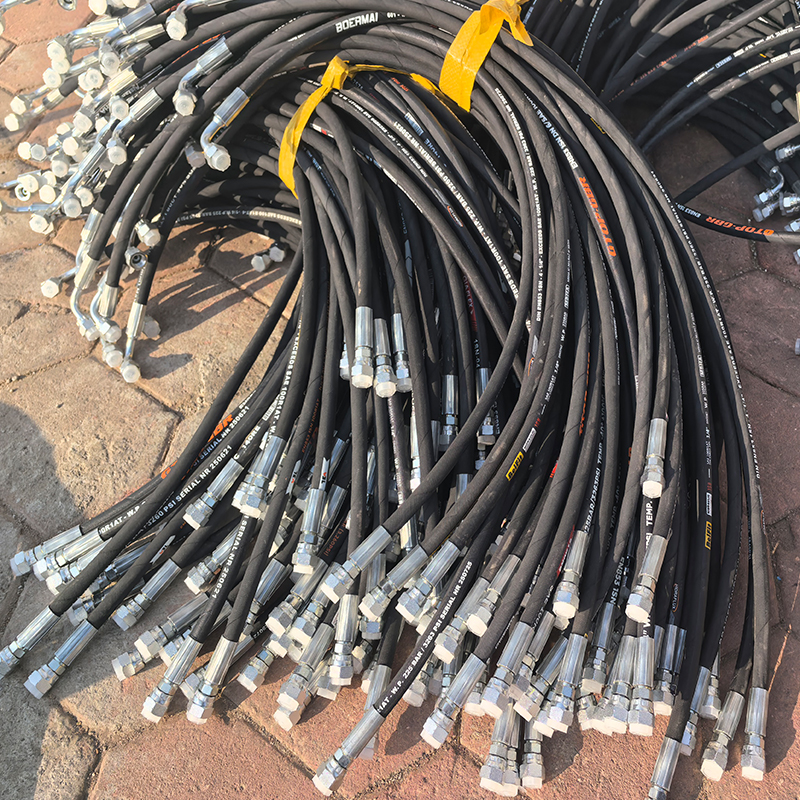 How to Create a Proactive Spiral Hydraulic Hose Replacement Plan That Prevents Downtime?
 Is Your Hydraulic System Overstressing? 5 Diagnostic Signs You Need to Upgrade to Spiral Hose
 Is Your Hydraulic System Pushing Limits? When to Specify Spiral Hose vs. Braided?
 Is Your Machinery Demanding More? Why Upgrade to a Spiral Hydraulic Hose?