
In the vast landscape of industrial and commercial applications, rubber plugs serve as unsung heroes, quietly fulfilling a myriad of roles that often go unnoticed but are crucial to the smooth operation of countless processes. From sealing pipelines to protecting delicate components during transportation, these unassuming devices play a pivotal part in maintaining efficiency, safety, and product integrity. Among the various types available, custom rubber plugs stand out due to their tailored design and versatility, offering a range of advantages that off-the-shelf alternatives simply cannot match. This article delves into the myriad benefits of utilizing custom rubber plugs, highlighting their adaptability, durability, cost-effectiveness, and contributions to environmental sustainability.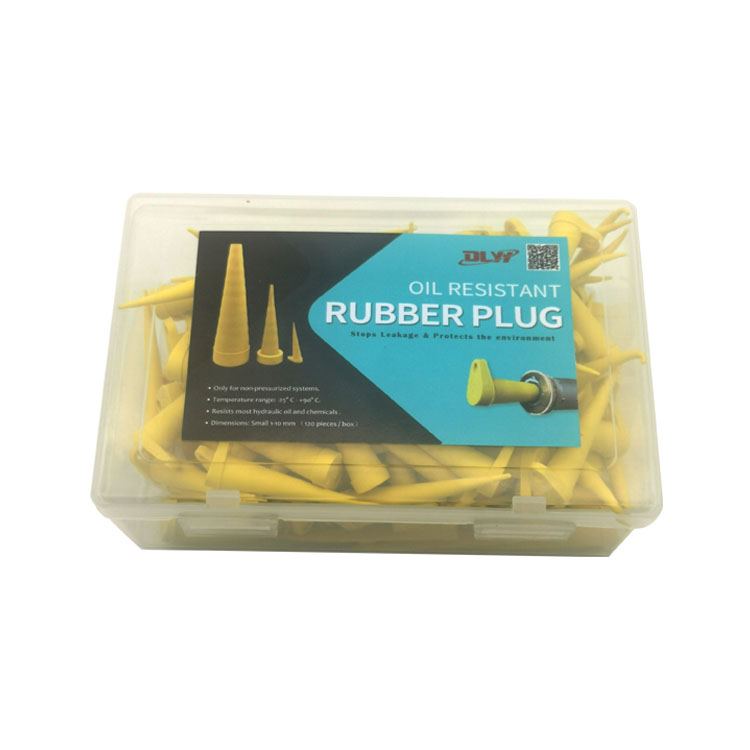
1. Precision Fit and Sealing
One of the most prominent advantages of custom rubber plugs is their ability to provide a precise fit. Unlike standard plugs, which are mass-produced to fit a wide range of sizes and shapes, custom plugs are designed and manufactured to exact specifications. This means they can conform perfectly to the contours of the opening they are intended to seal, ensuring an airtight or watertight barrier. Whether it's a complex threaded pipe or an irregularly shaped aperture, a custom rubber plug can be engineered to meet the unique requirements, thereby preventing leaks, contamination, and potential damage.
The precision fit also enhances the overall performance of the system in which the plug is used. In industries where even minute leakages can lead to significant consequences, such as chemical processing or aerospace, custom plugs offer peace of mind. They eliminate the risk of seepage, which can compromise product quality, safety standards, and operational efficiency.
2. Versatility in Material Selection
Custom rubber plugs can be manufactured from a wide array of materials, each with its own set of properties tailored to specific applications. This versatility allows for the selection of the most appropriate material based on factors such as temperature resistance, chemical compatibility, abrasion resistance, and elasticity. For instance, silicone rubber is often chosen for its high-temperature stability and excellent resistance to weathering, while nitrile rubber (NBR) is favored for its oil and fuel resistance.
In environments where exposure to corrosive substances is a concern, materials like EPDM (ethylene propylene diene monomer) or Viton (fluoroelastomer) may be selected for their superior chemical resistance. This ability to customize the material ensures that the plug can withstand the harsh conditions of its intended use, extending its lifespan and reducing the need for frequent replacements.
3. Enhanced Durability and Longevity
Custom rubber plugs are built to last. The careful selection of materials and the precision manufacturing process contribute to their robustness and durability. Unlike generic plugs that may wear out quickly or fail under pressure, custom plugs are designed to endure the specific stresses and strains of their application. This longevity not only reduces maintenance costs but also minimizes downtime, as the risk of plug failure is significantly lowered.
In industries where equipment must operate continuously, such as manufacturing or utilities, the reliability of custom rubber plugs is invaluable. They can withstand prolonged exposure to vibration, pressure fluctuations, and extreme temperatures without compromising their sealing capabilities. This durability ensures that processes run smoothly, enhancing overall productivity and operational efficiency.
4. Cost-Effectiveness
While the initial cost of custom rubber plugs may be higher than that of standard plugs, their long-term benefits far outweigh the upfront expenditure. The precision fit, material versatility, and enhanced durability of custom plugs contribute to significant cost savings over time. By preventing leaks and reducing the need for frequent replacements or repairs, custom plugs help to avoid costly downtimes and potential product losses.
Moreover, the tailored design of custom plugs can optimize the performance of equipment and systems, leading to increased energy efficiency. For example, in piping systems, a well-fitted plug reduces friction and turbulence, which can lower energy consumption. These savings can be substantial, especially in large-scale operations where even minor efficiencies can translate into significant financial benefits.
5. Contributions to Environmental Sustainability
In an era where environmental consciousness is paramount, custom rubber plugs offer several advantages that align with sustainability goals. Their durability and longevity reduce the frequency of replacements, thereby minimizing waste generation. Furthermore, many of the materials used in the manufacture of custom plugs, such as silicone and EPDM, are recyclable, allowing for responsible disposal at the end of their service life.
Additionally, the precise sealing capabilities of custom plugs contribute to environmental protection by preventing the leakage of harmful substances. In industries like chemicals, petrochemicals, and pharmaceuticals, even small spills can have significant environmental impacts. By ensuring tight seals, custom plugs help to safeguard ecosystems and public health.
6. Customization for Specific Applications
The ability to customize rubber plugs extends beyond material selection and fit. Manufacturers can incorporate various features to enhance functionality, such as handles for easy insertion and removal, reinforced edges for added strength, or integrated valves for controlled release. These customizations make the plugs more user-friendly and adaptable to specific operational needs.
For example, in the automotive industry, custom rubber plugs may be designed with integrated filters to protect engine components from debris during manufacturing or transportation. In the medical field, plugs may be sterilized and designed to meet stringent hygiene standards. This level of customization ensures that the plugs not only perform their primary sealing function but also contribute to the overall efficiency and safety of the application.
Custom rubber plugs offer a multitude of advantages that make them indispensable in various industrial and commercial contexts. Their precision fit, versatility in material selection, enhanced durability, cost-effectiveness, contributions to environmental sustainability, and customization options set them apart from standard plugs. By providing reliable sealing solutions tailored to specific needs, custom rubber plugs play a critical role in maintaining operational efficiency, safeguarding product integrity, and protecting the environment. As industries continue to evolve, the demand for these versatile and reliable devices is likely to grow, further underscoring their importance in modern manufacturing and beyond.
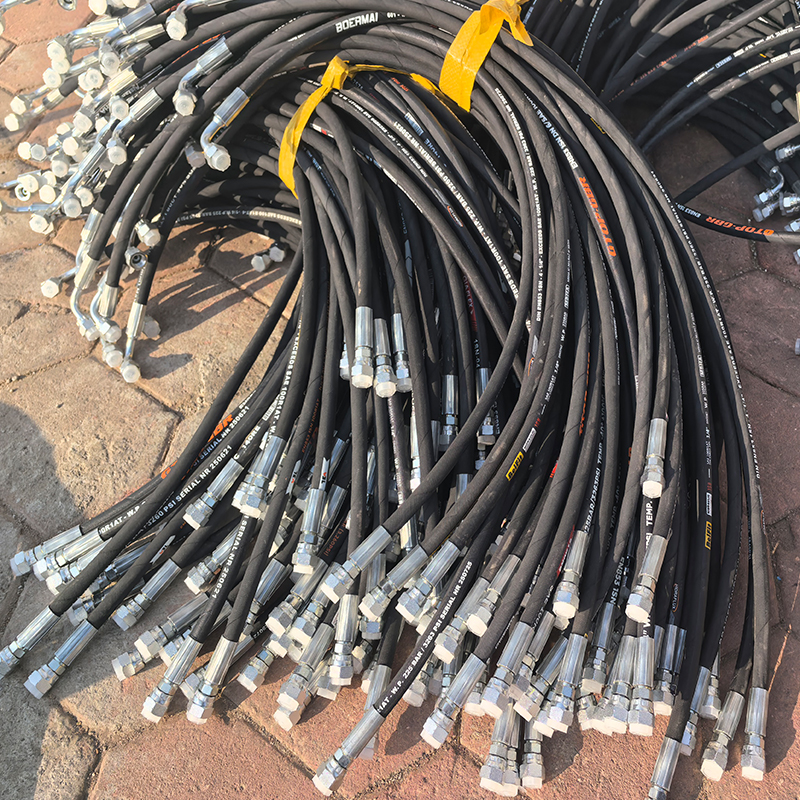 How to Create a Proactive Spiral Hydraulic Hose Replacement Plan That Prevents Downtime?
 Is Your Hydraulic System Overstressing? 5 Diagnostic Signs You Need to Upgrade to Spiral Hose
 Is Your Hydraulic System Pushing Limits? When to Specify Spiral Hose vs. Braided?
 Is Your Machinery Demanding More? Why Upgrade to a Spiral Hydraulic Hose?