
Rubber plugs are essential components in various industries and everyday applications, serving as reliable seals in pipes, containers, and equipment. Whether they are used to prevent leaks, block openings, or ensure the integrity of fluid systems, maintaining rubber plugs in optimal condition is crucial for their effectiveness and longevity. Over time, rubber plugs can degrade due to exposure to environmental factors, chemicals, and mechanical stress. Therefore, it is vital to implement proper maintenance practices to extend their lifespan and ensure they continue to perform as intended. This article outlines key steps and tips for maintaining rubber plugs to keep them in top condition.
Understanding Rubber Plug Materials
Before diving into maintenance practices, it is important to have a basic understanding of the materials used in rubber plugs. Rubber plugs are typically made from a variety of elastomers, each with unique properties and resistance to different conditions. Common materials include natural rubber, nitrile rubber (NBR), ethylene propylene diene monomer (EPDM), silicone rubber, and neoprene.
Natural rubber offers excellent elasticity and resistance to tear, making it ideal for general-purpose applications. Nitrile rubber is known for its oil and fuel resistance, making it suitable for automotive and industrial use. EPDM rubber provides outstanding resistance to weathering, ozone, and chemicals, making it a popular choice for outdoor applications. Silicone rubber is highly flexible and can withstand extreme temperatures, while neoprene offers good oil and chemical resistance along with moderate tensile strength.
Understanding the material of your rubber plug is essential because it dictates the appropriate maintenance methods and precautions to take. For instance, some elastomers may be more susceptible to certain chemicals or temperature extremes than others.
Inspection and Cleaning
Regular inspection is the first step in maintaining rubber plugs. Visually examine the plug for signs of wear, cracks, tears, or deformation. Pay close attention to the sealing surface, as any imperfections can compromise its ability to create a tight seal. If you notice any damage, it may be necessary to replace the plug to prevent potential leaks or failures.
Cleaning rubber plugs is equally important. Dirt, debris, and contaminants can accumulate on the surface, affecting the seal's performance. To clean a rubber plug, use a mild detergent and warm water. Avoid using abrasive cleaners or solvents, as they can damage the rubber material. Gently scrub the plug with a soft brush or cloth, and rinse thoroughly to remove all soap residue. After cleaning, allow the plug to air dry completely before reinstalling it.
Lubrication
Proper lubrication is crucial for the smooth operation and longevity of rubber plugs, especially in applications where they need to be inserted or removed frequently. A suitable lubricant can reduce friction, prevent sticking, and protect the rubber from wear. When choosing a lubricant, ensure it is compatible with the rubber material and the application environment.
For most rubber plugs, a silicone-based lubricant is a safe choice. It provides excellent lubrication without reacting with the rubber or leaving a residue. Apply a thin layer of lubricant to the sealing surface and any moving parts of the plug. Avoid over-lubricating, as excess lubricant can attract dirt and debris, leading to potential sealing issues.
Storage and Handling
Proper storage and handling are essential to maintain the performance and lifespan of rubber plugs. When not in use, store rubber plugs in a cool, dry place away from direct sunlight and sources of heat. High temperatures can accelerate the aging process of rubber, causing it to become brittle and lose its elasticity. Similarly, exposure to ultraviolet light can cause rubber to degrade and crack over time.
Avoid storing rubber plugs in contact with metals, especially those containing copper or manganese, as these metals can react with certain rubber materials, leading to premature failure. If you must store rubber plugs near metals, use a barrier, such as a plastic sheet or cloth, to prevent direct contact.
When handling rubber plugs, always use clean hands or gloves to avoid transferring oils, greases, or contaminants to the rubber surface. Additionally, be gentle when inserting or removing the plug to avoid stretching or tearing the rubber.
Environmental Considerations
Rubber plugs can be affected by the environment in which they operate. Exposure to extreme temperatures, chemicals, and mechanical stress can all contribute to their degradation. To maintain optimal performance, consider the following environmental factors:
Temperature: As mentioned earlier, high temperatures can cause rubber to become brittle, while low temperatures can make it stiff and less elastic. Ensure that the operating temperature of the rubber plug is within the recommended range for the elastomer material.
Chemicals: Certain chemicals can react with rubber, causing it to swell, soften, or harden. If your rubber plug will be exposed to chemicals, consult the material compatibility chart to ensure the elastomer is suitable for the application. If in doubt, use a chemical-resistant rubber plug or apply a protective coating.
Mechanical Stress: Repeated insertion and removal, as well as exposure to pressure fluctuations, can cause wear and tear on rubber plugs. To minimize mechanical stress, use proper insertion and removal techniques, and consider using a backup ring or retainer to support the plug and distribute stress more evenly.
Regular Replacement
Even with the best maintenance practices, rubber plugs will eventually wear out and need to be replaced. The lifespan of a rubber plug depends on several factors, including the material, operating conditions, and frequency of use. Establish a regular inspection and replacement schedule to ensure that worn or damaged plugs are replaced before they can cause problems.
When replacing a rubber plug, choose a high-quality replacement that is compatible with the application and operating conditions. Consider consulting with a manufacturer or supplier for recommendations on the best elastomer material and design for your specific needs.
Maintaining rubber plugs for optimal performance requires a combination of regular inspection, cleaning, lubrication, proper storage, and handling, as well as considering environmental factors and establishing a replacement schedule. By following these guidelines, you can extend the lifespan of your rubber plugs and ensure they continue to provide reliable sealing performance. Remember to always choose the right elastomer material for the application and operating conditions, and consult with experts when in doubt. With proper care and maintenance, rubber plugs can play a vital role in ensuring the integrity and efficiency of various systems and equipment.
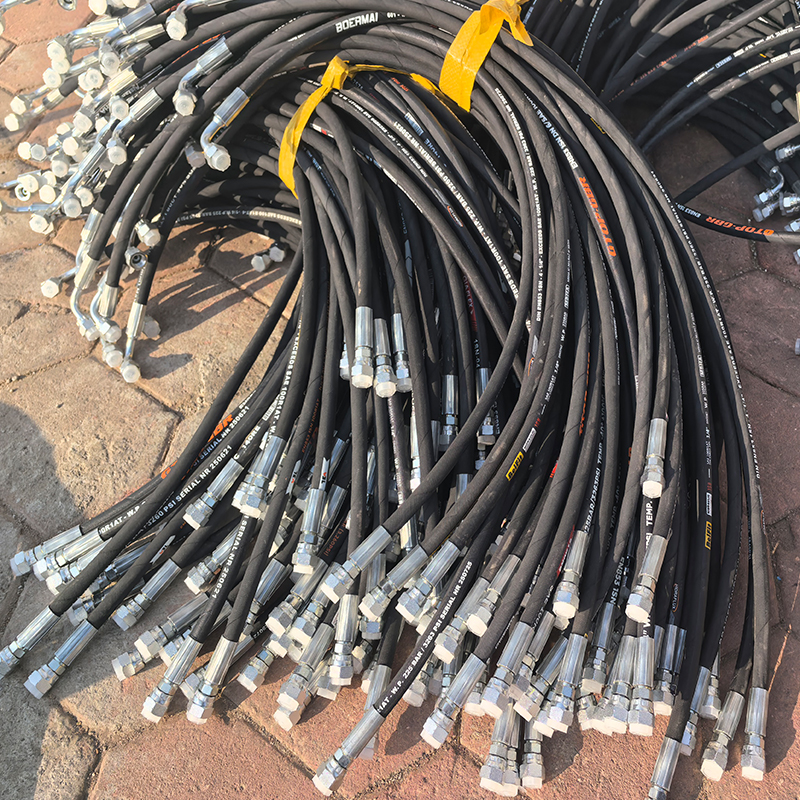 How to Create a Proactive Spiral Hydraulic Hose Replacement Plan That Prevents Downtime?
 Is Your Hydraulic System Overstressing? 5 Diagnostic Signs You Need to Upgrade to Spiral Hose
 Is Your Hydraulic System Pushing Limits? When to Specify Spiral Hose vs. Braided?
 Is Your Machinery Demanding More? Why Upgrade to a Spiral Hydraulic Hose?