
Rubber pneumatic bags, often utilized across industries for sealing, cushioning, or pressure-based applications, are engineered to withstand specific operational conditions. Understanding their pressure limits is crucial for ensuring safety, efficiency, and longevity in various systems. This article delves into the factors influencing these limits, design considerations, and real-world implications for users.
Understanding the Basics of Rubber Pneumatic Bags
At their core, rubber pneumatic bags are flexible containers designed to hold compressed air or gases. Their primary function is to apply controlled pressure or absorb shocks, making them indispensable in applications ranging from automotive components to industrial machinery. The bags are typically constructed from reinforced rubber layers, which provide elasticity and durability. However, their performance hinges on one critical factor: the pressure they can safely contain.
Key Factors Determining Pressure Limits
Several variables influence the pressure limits of rubber pneumatic bags:
Material Composition: The type of rubber used—such as natural rubber, synthetic blends, or specialized elastomers—dictates resilience. For instance, reinforced layers with fabric inserts enhance burst resistance.
Design Geometry: Thicker walls or strategic reinforcement (e.g., ribbing) distribute stress more evenly, allowing higher pressure ratings. Conversely, sharp corners or uneven thicknesses create weak points.
Temperature: Rubber’s elasticity degrades under extreme heat or cold. High temperatures can accelerate material fatigue, while freezing may cause brittleness, both reducing pressure tolerance.
Environmental Exposure: Prolonged exposure to UV light, chemicals, or abrasive substances can erode rubber integrity, compromising safety over time.
Industry Standards and Safety Margins
Manufacturers typically specify pressure limits based on rigorous testing, often adhering to industry standards like ISO or ASTM. These ratings account for "burst pressure" (the maximum pressure before failure) and "working pressure" (a safer operational threshold, usually 50-75% of burst pressure). Users are advised to respect these guidelines to prevent catastrophic failures, which could lead to equipment damage or personal injury.
Real-World Applications and Case Studies
In automotive manufacturing, pneumatic bags inflate to seal doors or support body panels during assembly. Overinflating these bags risks rupturing them, halting production lines. Similarly, in construction, pneumatic formwork relies on precisely calibrated bags to shape concrete structures—exceeding pressure limits could deform the mold or cause structural flaws. These examples underscore the importance of adhering to specified tolerances.
Maintenance and Lifespan Considerations
Even within their rated limits, rubber pneumatic bags degrade over time. Regular inspections for cracks, bulges, or leaks are essential. Environmental factors like humidity or ozone exposure can accelerate aging, necessitating more frequent replacements. Users should also consider the "duty cycle"—how often the bag inflates/deflates—as frequent cycling strains the material faster than static use.
Innovations in Material Science and Design
Recent advancements in elastomer technology have introduced materials with improved thermal stability, chemical resistance, and pressure retention. For example, nanocomposite rubbers incorporate microscopic particles to enhance strength without sacrificing flexibility. Design innovations, such as modular pneumatic systems or self-monitoring sensors, also promise to extend lifespans and improve safety by alerting operators to potential issues before failure.
Conclusion
The pressure limit of a rubber pneumatic bag is far from a one-size-fits-all metric. It’s a balance of material science, engineering design, and operational context. By understanding the factors that influence these limits—and prioritizing adherence to manufacturer guidelines—users can maximize efficiency, safety, and cost-effectiveness. As technology evolves, the future of pneumatic systems will likely see even more robust, adaptable solutions, but the fundamental principle remains: respect the limits to ensure reliable performance.
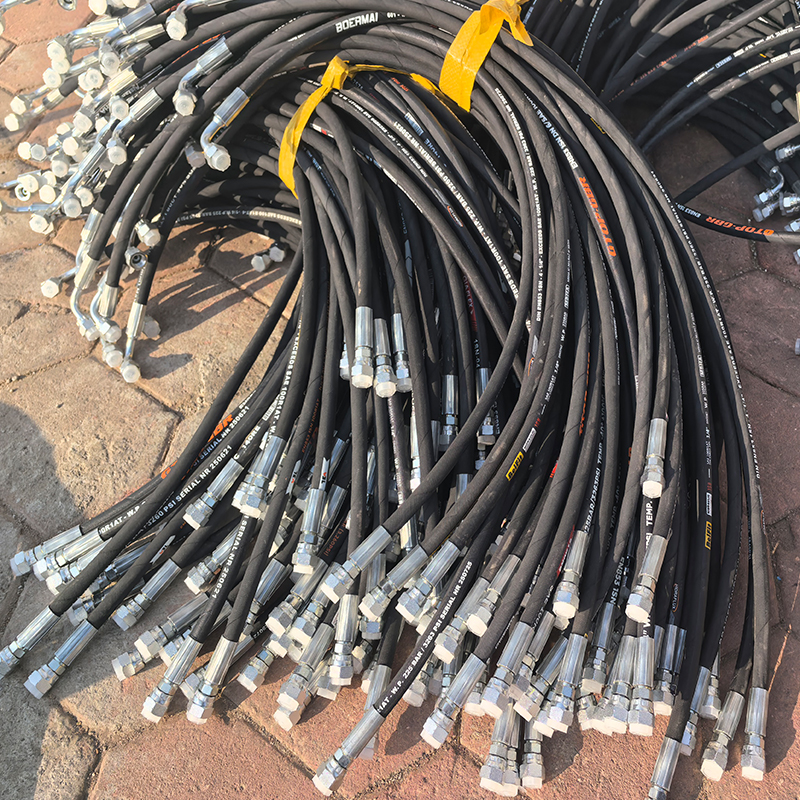 How to Create a Proactive Spiral Hydraulic Hose Replacement Plan That Prevents Downtime?
 Is Your Hydraulic System Overstressing? 5 Diagnostic Signs You Need to Upgrade to Spiral Hose
 Is Your Hydraulic System Pushing Limits? When to Specify Spiral Hose vs. Braided?
 Is Your Machinery Demanding More? Why Upgrade to a Spiral Hydraulic Hose?