
Tunnels are engineering marvels that enable transportation, utilities, and infrastructure to traverse geographical obstacles. However, their construction and maintenance present unique challenges, particularly in ensuring water tightness. Water ingress can compromise structural integrity, lead to corrosion, and disrupt operations. To mitigate these risks, engineers rely on rubber waterstops—flexible barriers installed in concrete joints to prevent water seepage. But with various types available, how do professionals determine the best rubber waterstop for tunnel projects? This article explores the critical factors, types, and considerations in selecting the ideal solution.
Understanding the Role of Waterstops in Tunnels
Waterstops are essential components in tunnel construction, serving as dynamic seals between concrete segments or joints. Tunnels are exposed to hydrostatic pressure from groundwater, surface runoff, or even internal leaks. Without proper sealing, water can penetrate through microscopic cracks or gaps formed during concrete curing or due to settlement over time.
The primary function of a rubber waterstop is to absorb movement—such as thermal expansion, contraction, or seismic activity—while maintaining a watertight seal. Unlike rigid materials, rubber’s flexibility allows it to adapt to structural shifts without failing. This makes it indispensable in environments where stability and longevity are paramount.
Types of Rubber Waterstops: A Comparative Overview
Not all rubber waterstops are created equal. The choice depends on factors like project specifications, environmental conditions, and expected movement. Here are the most common types:
PVC Waterstops: While technically a thermoplastic, PVC is often grouped with rubber due to its sealing properties. It’s cost-effective and resistant to chemicals, making it suitable for wastewater tunnels. However, it may lack the flexibility of true rubber in extreme temperature fluctuations.
Neoprene Waterstops: Known for their durability and resistance to ozone, weathering, and oils, neoprene waterstops are ideal for outdoor or industrial applications. They perform well in moderate temperature ranges but may stiffen in very cold climates.
EPDM (Ethylene Propylene Diene Monomer) Waterstops: EPDM is a synthetic rubber praised for its UV and ozone resistance, making it a top choice for tunnels exposed to sunlight or harsh weather. It remains flexible in low temperatures and resists chemical degradation, though it’s less oil-resistant than neoprene.
Nitrile Rubber Waterstops: These excel in environments with oil or fuel exposure, such as tunnels housing pipelines or transportation systems. Nitrile’s resistance to hydrocarbons ensures longevity where other materials might degrade.
Thermoplastic Vulcanizate (TPV) Waterstops: A hybrid material combining rubber’s flexibility with thermoplastic’s recyclability, TPV offers eco-friendly benefits without sacrificing performance. It’s suitable for general tunneling applications where sustainability is a priority.
Key Considerations for Selecting the Right Waterstop
Choosing the best rubber waterstop involves evaluating several project-specific factors:
Movement Capacity: Tunnels expand and contract due to temperature changes, ground shifts, or traffic loads. The waterstop must accommodate these movements without tearing. For instance, EPDM’s high elongation properties make it ideal for joints expecting significant movement.
Chemical Resistance: Tunnels may carry aggressive substances like sewage, industrial waste, or de-icing salts. Nitrile or neoprene might be preferred for chemical exposure, while EPDM suits non-corrosive environments.
Installation Ease: Some waterstops require specialized welding or adhesive bonding, increasing labor costs and time. PVC and TPV often offer simpler installation methods, such as mechanical fastening or solvent cementing.
Temperature Tolerance: Extreme heat or cold can affect rubber’s flexibility. In freezing climates, EPDM’s low-temperature resilience is advantageous, while neoprene may suffice in milder regions.
Longevity and Maintenance: Durable materials like EPDM or nitrile reduce long-term replacement costs, though they may have higher upfront expenses. Balancing initial investment with lifecycle costs is crucial.
Innovations in Waterstop Technology
The tunneling industry continually evolves, driving innovations in waterstop design:
Swellable Waterstops: These contain hydrophilic polymers that expand when exposed to water, creating a self-sealing barrier. They’re useful for irregular joints or retrofitting existing tunnels but require careful installation to avoid over-swelling.
Composite Waterstops: Combining materials like rubber and metal or fabric, composites address multiple challenges (e.g., reinforcing strength while maintaining flexibility). They’re often custom-engineered for complex projects.
Preformed Corner Units: Traditional waterstops are straight, requiring on-site fabrication for corners. Preformed units streamline installation, reducing labor and error risks in tight tunnel spaces.
Case Studies: Real-World Applications
To illustrate practical choices, consider these scenarios:
A Mountain Tunnel in Alaska: Subject to freezing temperatures and seismic activity, engineers opted for EPDM waterstops due to their flexibility in low temps and ability to withstand ground movement.
An Urban Subway Tunnel in New York: Exposed to de-icing salts and vehicle emissions, the project used nitrile rubber waterstops to resist chemical corrosion and oil spills from maintenance vehicles.
A Sewage Tunnel in Florida: The humid, saline environment necessitated PVC waterstops for their chemical resistance and cost-effectiveness, despite the region’s moderate temperatures.
Environmental and Regulatory Compliance
Tunnel projects must adhere to local building codes and environmental regulations. For instance:
LEED Certification: Eco-conscious projects may prioritize TPV or recycled rubber waterstops to earn sustainability credits.
Waste Management: Some regions restrict certain materials (e.g., PVC) due to recycling challenges. Engineers must research local disposal guidelines.
Seismic Zones: In earthquake-prone areas, waterstops must meet stringent movement standards, often favoring EPDM or composite designs.
Future Trends in Tunnel Waterproofing
As tunneling expands into more challenging environments (e.g., underwater or in unstable geologies), waterstop technology will advance:
Smart Sensors: Embedded sensors could monitor waterstop integrity in real time, alerting operators to potential leaks before they escalate.
Nanotechnology: Coatings or additives enhancing rubber’s durability or self-healing properties may emerge, extending waterstop lifespans.
3D Printing: Custom-shaped waterstops for irregular tunnel geometries could reduce waste and installation time.
Conclusion: No One-Size-Fits-All Solution
The “best” rubber waterstop for tunnels depends on a project’s unique demands. Factors like movement, chemicals, climate, and budget all play roles. By consulting material specifications, engaging with suppliers, and analyzing case studies, engineers can make informed decisions. Whether prioritizing flexibility, chemical resistance, or sustainability, the right waterstop ensures tunnels remain safe, dry, and operational for decades.
In an industry where reliability is non-negotiable, investing time in waterstop selection is a small price to pay for long-term success. As tunneling continues to redefine urban landscapes and global connectivity, the humble waterstop remains a silent guardian of structural integrity—and choosing it wisely is a testament to engineering excellence.
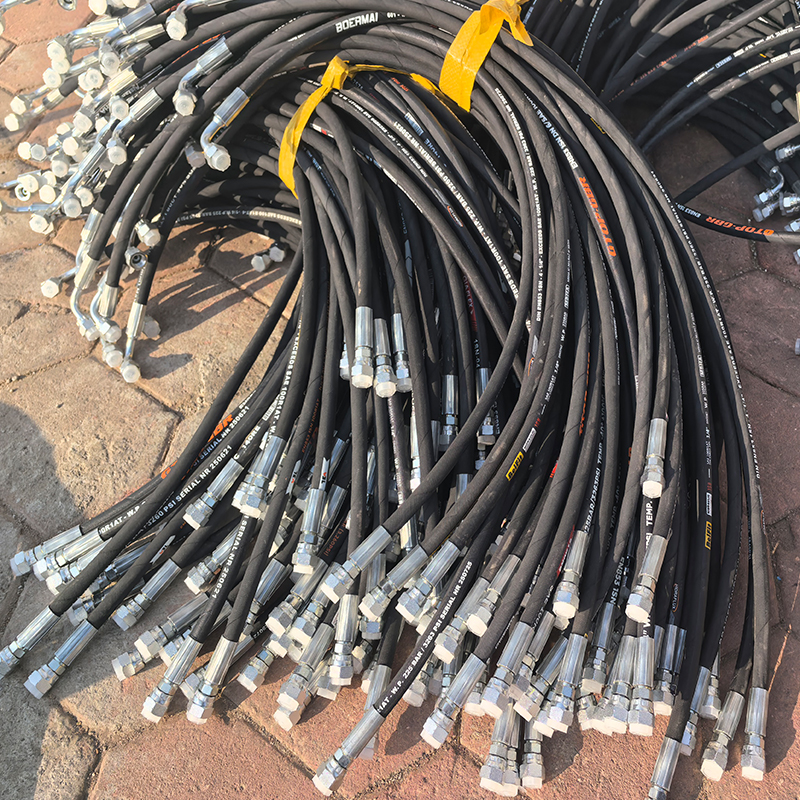 How to Create a Proactive Spiral Hydraulic Hose Replacement Plan That Prevents Downtime?
 Is Your Hydraulic System Overstressing? 5 Diagnostic Signs You Need to Upgrade to Spiral Hose
 Is Your Hydraulic System Pushing Limits? When to Specify Spiral Hose vs. Braided?
 Is Your Machinery Demanding More? Why Upgrade to a Spiral Hydraulic Hose?