
When it comes to industrial or marine applications, rubber inflatable airbags are indispensable tools for lifting, cushioning, and stabilizing heavy loads. These versatile devices are used in everything from ship launching to construction projects, offering a lightweight and reusable alternative to traditional methods. However, one question often arises: What pressure is safe for these inflatable rubber bladder to operate effectively without risking damage or failure? This guide explores the factors influencing safe pressure levels, common misconceptions, and best practices to ensure optimal performance and longevity.

Understanding the Basics of Rubber Inflatable Airbags
Rubber inflatable airbags are engineered from reinforced rubber layers, designed to withstand high-pressure environments while maintaining flexibility. Their construction typically includes a durable outer shell and internal reinforcement to prevent punctures or deformation. These rubber water plugging airbags rely on compressed air to create lift or support, making pressure management critical to their functionality.
The safe pressure range for an airbag depends on its size, material composition, and intended application. For example, smaller rubber water plugging airbags used for cushioning might operate at lower pressures (around 5–15 PSI), while larger industrial-grade inflatable airbags for ship launching could require pressures exceeding 100 PSI. Understanding these variables is the first step in ensuring safety and efficiency.
Key Factors Influencing Safe Pressure Levels
Material Strength and Layering
The rubber compound and reinforcement layers determine how much pressure an pipeline stoppers airbag can safely hold. High-quality inflatable rubber bladder use multiple layers of synthetic rubber or fabric to distribute stress evenly, reducing the risk of bursts. Overinflating an rubber water plugging airbag beyond its material limits can lead to catastrophic failure, especially under heavy loads.
Temperature and Environmental Conditions
Temperature fluctuations affect air pressure significantly. Cold environments cause air to contract, lowering internal pressure, while heat expands air, increasing pressure. For instance, an inflatable airbag inflated to 80 PSI in a cool warehouse might rise to 90 PSI when exposed to direct sunlight. Operators must account for ambient conditions and adjust pressure accordingly.
Load Weight and Distribution
The weight of the object being lifted or supported dictates the required pressure. A heavier load demands higher pressure, but uneven distribution can create stress points. Proper positioning and even weight distribution help maintain safe pressure levels across the airbag’s surface.
Common Misconceptions About Rubber Inflatable Airbag Pressure
Misconception 1: “Higher Pressure Always Means Better Performance”
While some applications require high pressure, exceeding the manufacturer’s recommended limits can damage the inflatable rubber bladder or create unsafe working conditions. Always refer to guidelines specific to the pipeline stoppers airbag’s design and purpose.
Misconception 2: “All Airbags Have the Same Pressure Tolerance”
Pressure tolerance varies widely based on size, material, and intended use. A small airbag for personal watercraft stabilization cannot be compared to a large industrial inflatable airbag designed for heavy machinery. Assuming uniformity leads to errors in judgment.
Misconception 3: “Pressure Gauges Are Optional”
Using a reliable pressure gauge is non-negotiable. Eyeballing inflation levels or relying on guesswork increases the risk of over- or underinflation, both of which compromise safety and effectiveness.
How to Determine the Right Pressure for Your Application
Consult Manufacturer Guidelines
Every inflatable rubber bladder comes with a recommended pressure range based on rigorous testing. These guidelines account for material limits, load capacities, and safety margins. Ignoring them voids warranties and risks accidents.
Start Low and Adjust Gradually
Begin inflation at the lower end of the recommended range and increase pressure in small increments. Monitor the inflatable airbag’s behavior under load, checking for bulging, leaking, or uneven expansion.
Use Pressure Relief Valves
Installing pressure relief valves prevents accidental overinflation by automatically releasing excess air when thresholds are exceeded. This is especially important in dynamic environments where pressure spikes may occur unexpectedly.
Regularly Inspect for Wear and Tear
Even with proper pressure management, airbags degrade over time. Cracks, abrasions, or weakened seams reduce pressure tolerance. Replace damaged airbags immediately to avoid failures during operation.
The Role of Maintenance in Pressure Safety
Proactive maintenance extends the lifespan of rubber inflatable airbags and ensures consistent performance. Key practices include:
Cleaning: Remove debris or chemicals that could corrode the rubber surface.
Storage: Store airbags in a cool, dry place away from direct sunlight and sharp objects.
Testing: Conduct periodic pressure tests to verify integrity, especially after long periods of inactivity.
Documentation: Keep records of pressure levels, inspections, and repairs to track the inflatable airbag’s history and predict future needs.
Safety Protocols for High-Pressure Applications
In industries like shipbuilding or heavy construction, pipeline stoppers may operate at pressures exceeding 100 PSI. These scenarios demand stringent safety measures:
Personal Protective Equipment (PPE): Operators should wear gloves, safety goggles, and hearing protection when handling high-pressure systems.
Training: Ensure all personnel understand pressure management protocols and emergency procedures.
Redundancy Systems: Use multiple inflatable airbags to distribute loads evenly, reducing reliance on a single unit.
Emergency Shutoffs: Install quick-release valves to rapidly deflate inflatable airbags if pressure becomes unsafe.
Conclusion: Balancing Efficiency and Safety
Rubber inflatable airbags are powerful tools, but their effectiveness hinges on proper pressure management. By understanding material limits, environmental factors, and application-specific requirements, operators can maximize performance without compromising safety. Regular maintenance, adherence to guidelines, and a commitment to education ensure these versatile devices remain reliable assets for years to come. Whether lifting a ship or stabilizing a crane, the key to success lies in respecting the limits of pressure—and the engineering that makes it all possible.
By prioritizing safety and precision, users can harness the full potential of rubber inflatable airbags while minimizing risks in even the most demanding environments.
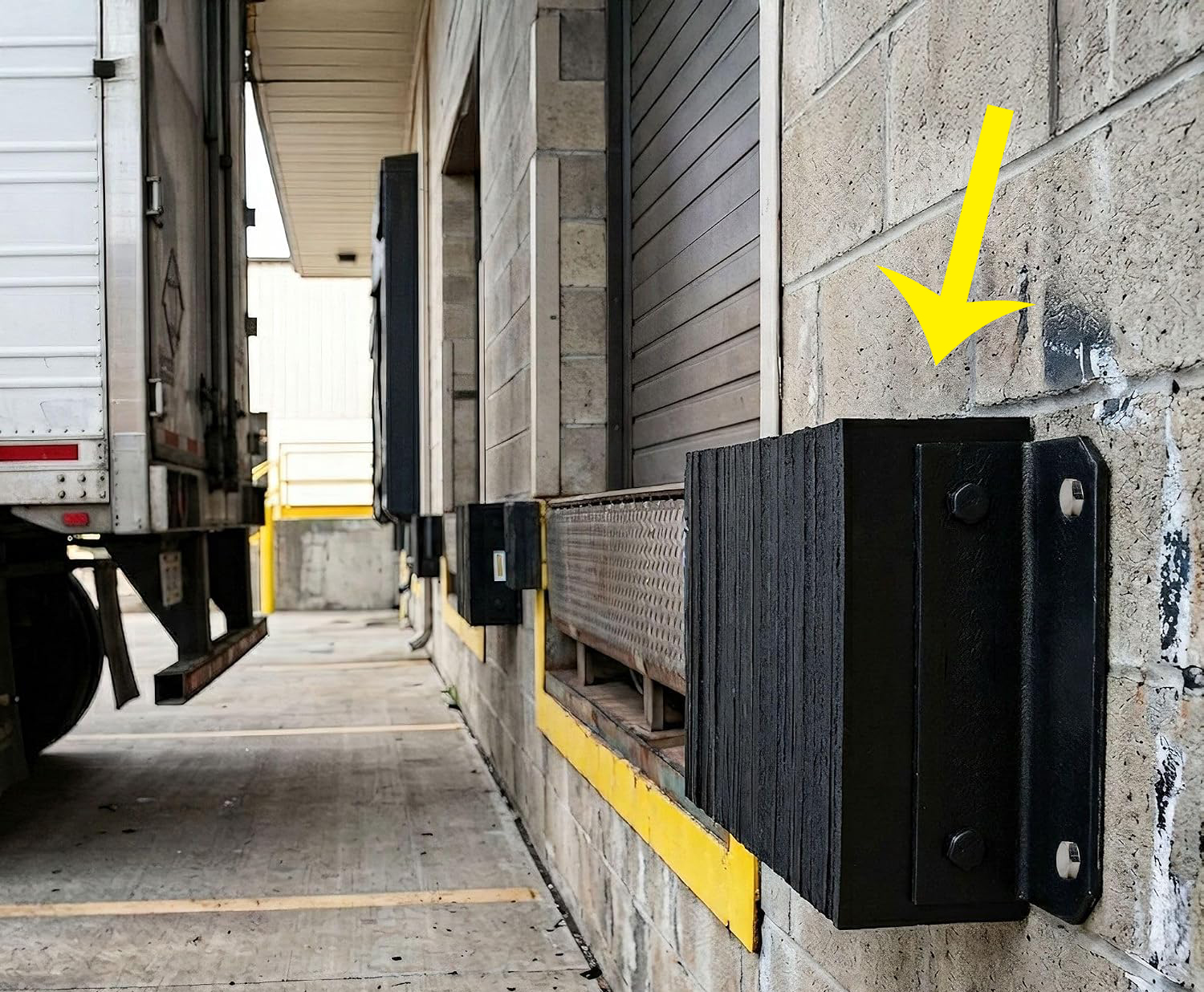 Rubber Laminated Loading Dock Bumper with Steel Angle: 5 Field Failure Signs That Point Back to the RFQ
 Bridge Bearing Pad Field Failure: 5 Visual Signs Before It Retires (And What Caused It)
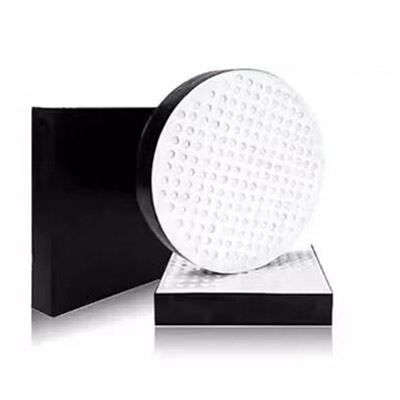 Bridge Bearing Pad RFQ Checklist: 9 Lines That Stop Suppliers From Subbing the Rubber
 Laminated Rubber Bearing: Maintenance and Inspection Protocols