
In various industrial and construction scenarios, water blocking is a critical task that demands reliable and effective solutions. Among the numerous options available, rubber inflatable airbags have emerged as a popular choice. But do they truly live up to the expectations when it comes to preventing water ingress? Let's delve into this topic to understand the functionality, applications, and effectiveness of these versatile devices.
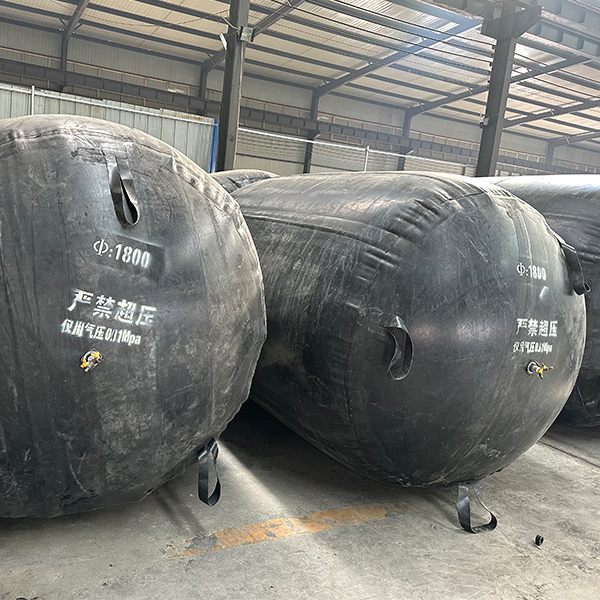
The Basic Principle Behind Rubber Inflatable Airbags
Rubber inflatable airbags operate on a simple yet highly effective principle. They are essentially flexible, durable bags made from high-quality rubber materials. When deflated, these rubber air bladder can be easily inserted into tight spaces or around structures where water blocking is required. Once in place, they are inflated using air or another suitable gas, expanding to fill the available space and creating a tight seal. This seal acts as a barrier, preventing water from passing through and causing damage or disruption.
The rubber material used in these inflatable airbags is carefully selected for its strength, elasticity, and resistance to water and chemicals. This ensures that the inflatable rubber bladder can withstand the pressures exerted by water and remain effective over extended periods. Additionally, the design of the airbags often includes reinforced seams and valves to enhance their durability and prevent leaks.
Applications in Construction and Infrastructure Projects
One of the primary areas where rubber inflatable airbags excel is in construction and infrastructure projects. During the construction of bridges, tunnels, and dams, for example, water blocking is essential to keep the work area dry and safe. Rubber inflatable airbags can be strategically placed to seal off sections of the construction site from water, allowing workers to carry out their tasks without interruption.
In bridge construction, these rubber air bladder are often used to block water flow during the installation of piers and abutments. By creating a temporary dam, they enable workers to excavate and pour concrete in a dry environment, ensuring the structural integrity of the bridge components. Similarly, in tunnel construction, inflatable airbags can be used to seal off sections of the tunnel from groundwater, preventing flooding and facilitating the excavation process.
Effectiveness in Emergency Situations
Inflatable rubber bladder also prove invaluable in emergency situations where rapid water blocking is required. For instance, in the event of a flood or a burst pipe, these inflatable airbags can be quickly deployed to seal off affected areas and prevent further water damage. Their portability and ease of use make them an ideal choice for emergency response teams who need to act swiftly to mitigate the impact of water-related disasters.
In addition to their use in emergency situations, rubber inflatable airbags can also be employed as a preventive measure in areas prone to flooding. By strategically placing airbags around buildings or infrastructure, property owners can create a barrier that reduces the risk of water ingress during heavy rainfall or storm surges.
Advantages Over Traditional Water Blocking Methods
Compared to traditional water blocking methods such as sandbags or concrete barriers, inflatable rubber bladder offer several distinct advantages. Firstly, they are much lighter and more portable, making them easier to transport and deploy in various locations. This is particularly important in emergency situations where time is of the essence.
Secondly, rubber air bladder can be customized to fit specific spaces and requirements. Unlike sandbags, which may not always conform to the shape of the area they are intended to block, inflatable airbags can be inflated to the exact size and shape needed, creating a more effective seal. This flexibility also allows them to be used in a wide range of applications, from small-scale repairs to large-scale construction projects.
Finally, rubber inflatable airbags are reusable and environmentally friendly. After use, they can be deflated, cleaned, and stored for future applications, reducing waste and minimizing the environmental impact. This is in contrast to traditional methods that often involve the disposal of large quantities of materials after a single use.
Considerations for Optimal Performance
While inflatable rubber bladder offer numerous benefits, there are also some considerations to keep in mind to ensure their optimal performance. Firstly, it is essential to select the right size and type of airbag for the specific application. This requires a thorough understanding of the space to be blocked and the pressures that will be exerted by the water.
Secondly, proper inflation and maintenance are crucial for the longevity and effectiveness of the airbags. Overinflation can cause the inflatable airbags to rupture, while underinflation may result in an inadequate seal. Regular inspections and maintenance checks should be carried out to identify any signs of wear or damage and address them promptly.
Lastly, it is important to follow all safety guidelines and regulations when using rubber inflatable airbags. This includes ensuring that workers are properly trained in their use and that appropriate safety measures are in place to prevent accidents or injuries.
Conclusion: A Versatile and Effective Solution
In conclusion, rubber inflatable airbags are indeed a versatile and effective solution for water blocking in a wide range of applications. Their simple yet robust design, combined with their portability and flexibility, makes them an ideal choice for construction projects, emergency situations, and preventive measures. By understanding their basic principle, applications, advantages, and considerations for optimal performance, property owners and construction professionals can make informed decisions about incorporating these valuable tools into their water blocking strategies. Whether facing a minor leak or a major flood, rubber inflatable airbags offer a reliable and efficient way to keep water at bay.
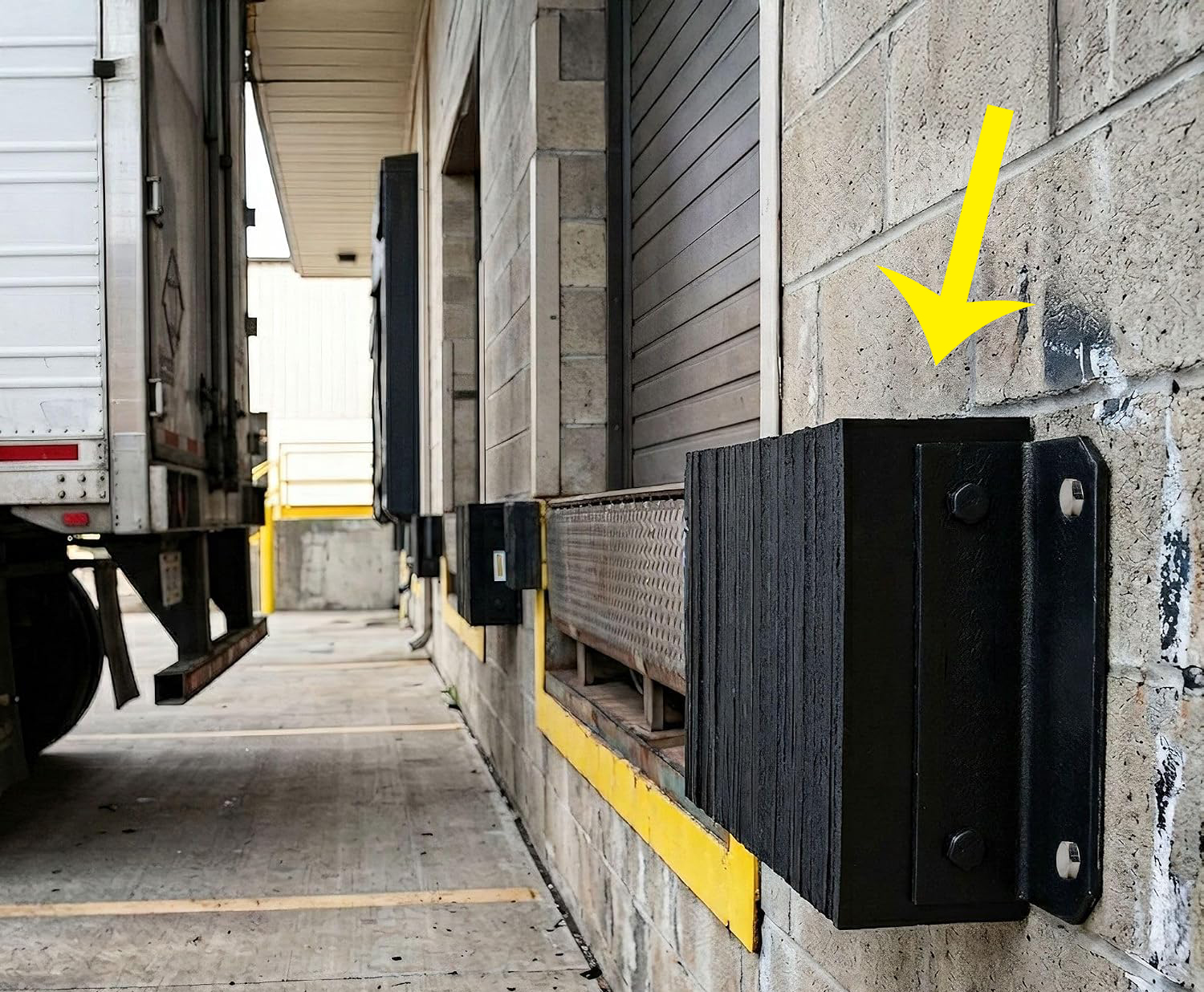 Rubber Laminated Loading Dock Bumper with Steel Angle: 5 Field Failure Signs That Point Back to the RFQ
 Bridge Bearing Pad Field Failure: 5 Visual Signs Before It Retires (And What Caused It)
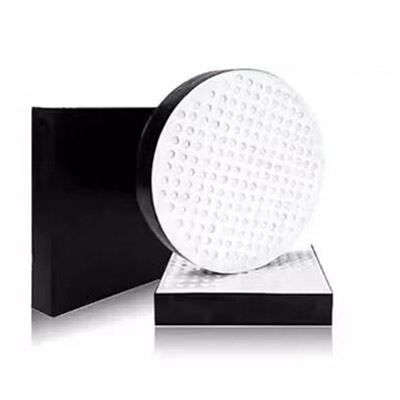 Bridge Bearing Pad RFQ Checklist: 9 Lines That Stop Suppliers From Subbing the Rubber
 Laminated Rubber Bearing: Maintenance and Inspection Protocols