
The construction industry thrives on innovation, constantly seeking materials and tools that enhance efficiency, safety, and cost-effectiveness. Among these advancements, inflatable culvert plugs have emerged as a versatile solution for a variety of applications, particularly in concrete-related projects. But how exactly do these flexible, air-filled devices interact with concrete, and why are they becoming indispensable in modern construction? This article delves into the compatibility of rubber inflatable airbags with concrete, exploring their functions, benefits, and real-world applications.
The Basics of Inflatable Culvert Plugs
Inflatable culvert plugs are engineered from durable, high-strength materials designed to withstand pressure, abrasion, and environmental factors. Their primary function is to provide temporary support or create voids within structures during construction. When inflated, these rubber inflatable airbags conform to irregular shapes, making them ideal for applications where precision and adaptability are critical. Their compatibility with concrete stems from their ability to resist chemical degradation and maintain structural integrity under heavy loads, ensuring seamless integration into concrete-based workflows.
How Inflatable Culvert Plugs Enhance Concrete Formwork
Formwork is a foundational element in concrete construction, shaping poured concrete into desired structures. Traditional formwork often involves rigid materials like wood or steel, which can be time-consuming to install and remove. Theese large diameter inflatable pipe plugs offer a dynamic alternative by acting as flexible molds. When placed within a formwork system and inflated, they create hollow cores or complex voids in concrete elements such as beams, columns, or slabs. This method reduces material usage, accelerates project timelines, and minimizes waste, as the inflatable airbags can be deflated and reused across multiple projects.
Creating Void Spaces in Concrete Structures
One of the most significant applications of inflatable culvert plugs lies in generating voids within concrete. These voids serve critical purposes, such as reducing the overall weight of structural components, improving thermal insulation, or accommodating plumbing and electrical systems. For example, in the construction of precast concrete panels, airbags can be inflated to form channels for wiring or piping, eliminating the need for additional drilling or cutting. This approach not only streamlines installation but also enhances the durability of the concrete by preserving its structural cohesion.
Supporting Concrete During Curing and Demolding
Concrete requires precise conditions to cure properly, including consistent pressure and temperature. Inflatable culvert plugs play a pivotal role in this process by applying uniform pressure to freshly poured concrete, ensuring it sets evenly and minimizes cracking. Additionally, their flexibility allows them to adapt to the expansion and contraction of concrete during curing, reducing the risk of structural flaws. When it’s time to remove formwork, deflating the rubber inflatable airbags simplifies the process, as they shrink away from the concrete surface, leaving behind a clean finish with minimal manual labor.
Environmental and Economic Advantages
The construction industry is increasingly prioritizing sustainability, and rubber inflatable airbags align with this trend by offering eco-friendly benefits. Unlike traditional formwork materials, which often end up in landfills after a single use, airbags are reusable, reducing waste and lowering project costs over time. Their lightweight design also cuts transportation expenses and carbon emissions, as fewer resources are required to move them between job sites. Furthermore, the precision they enable in concrete placement reduces material overuse, contributing to more resource-efficient construction practices.
Safety Considerations in Concrete-Airbag Interactions
Safety is paramount in construction, and inflatable culvert plugs are designed with this in mind. Their robust construction ensures they can withstand the high pressures exerted by concrete without bursting or leaking. Workers handling these rubber inflatable airbags are trained to follow protocols for inflation, monitoring, and deflation, minimizing risks during operation. Additionally, the inflatable airbags’ smooth surfaces prevent damage to concrete finishes, reducing the need for costly repairs or touch-ups. By adhering to industry standards and best practices, teams can leverage airbags safely and effectively.
Real-World Applications: From Bridges to Buildings
The versatility of large diameter inflatable pipe plugs is evident in their wide range of applications. In bridge construction, they’re used to create voids in piers and abutments, reducing dead weight and improving load distribution. For architectural projects, rubber inflatable airbags enable the creation of curved or irregular concrete shapes that would be difficult to achieve with traditional formwork. Even in underground construction, such as tunneling, airbags provide temporary support to prevent collapses during excavation. These examples highlight how airbags are reshaping concrete-based engineering across scales and complexities.
Conclusion: A Perfect Match for Modern Construction
Inflatable culvert plugs and concrete are more than compatible—they’re a powerful combination driving innovation in the construction industry. By offering flexibility, cost savings, and sustainability, these large diameter inflatable pipe plugs address longstanding challenges in formwork, void creation, and curing processes. As projects become more complex and environmental standards rise, the demand for such adaptive solutions will only grow. Whether for small-scale renovations or large infrastructure developments, the synergy between rubber inflatable airbags and concrete is proving to be a game-changer, paving the way for safer, smarter, and more efficient construction practices.
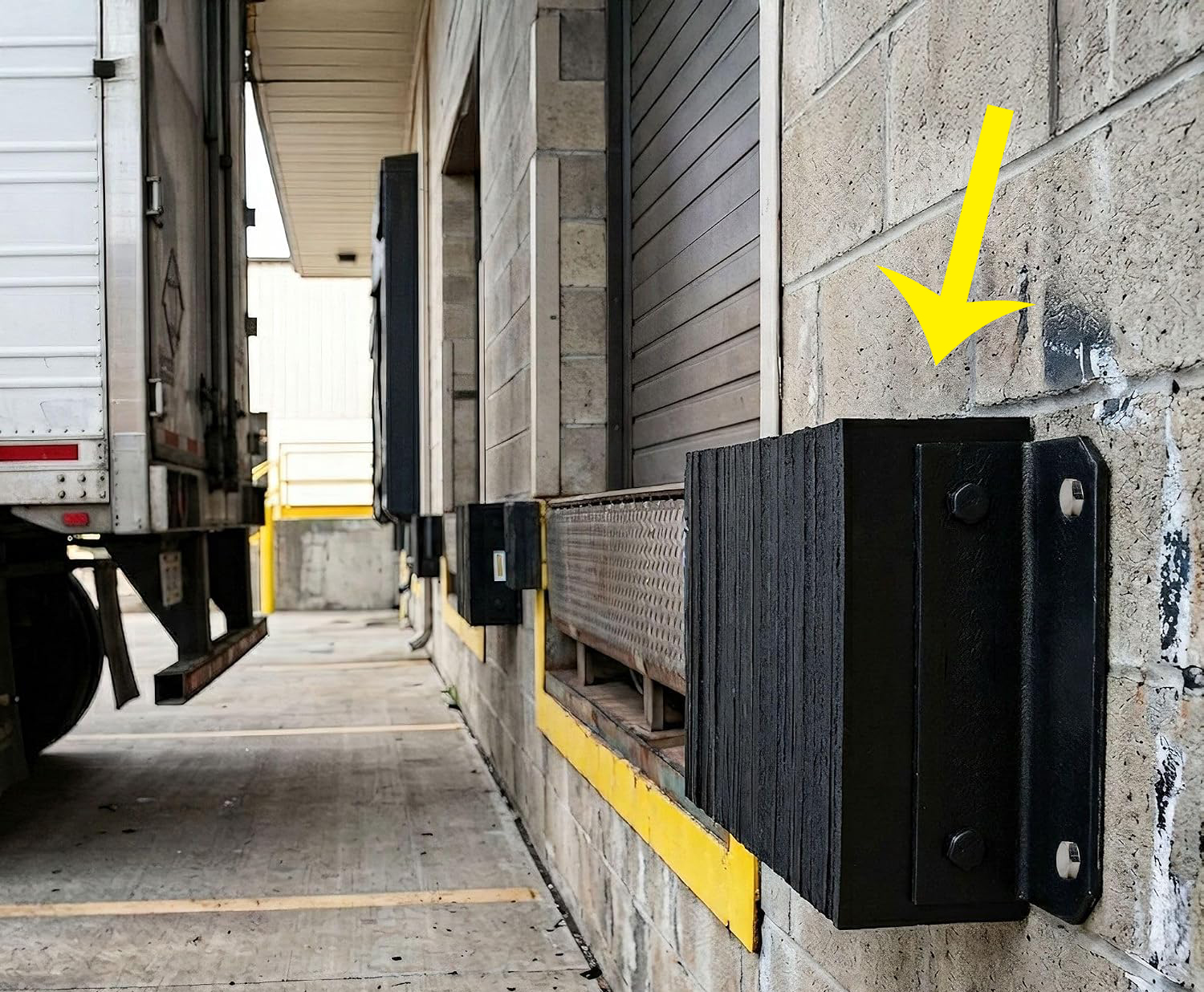 Rubber Laminated Loading Dock Bumper with Steel Angle: 5 Field Failure Signs That Point Back to the RFQ
 Bridge Bearing Pad Field Failure: 5 Visual Signs Before It Retires (And What Caused It)
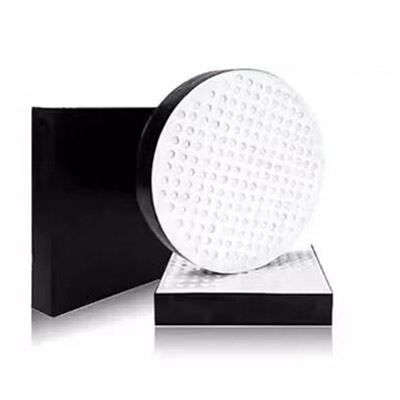 Bridge Bearing Pad RFQ Checklist: 9 Lines That Stop Suppliers From Subbing the Rubber
 Laminated Rubber Bearing: Maintenance and Inspection Protocols