
When it comes to maintaining, repairing, or testing pipelines, professionals across industries—from construction to marine engineering—face a common challenge: how to safely and efficiently support, stabilize, or isolate pipeline sections without causing damage or disrupting operations. Traditional methods like wooden blocks, mechanical jacks, or rigid supports often fall short in adaptability, durability, or cost-effectiveness. Enter rubber inflatable airbags: a versatile, reliable, and innovative solution designed to address these challenges head-on. This blog explores why these airbags are becoming the go-to choice for pipeline projects in the U.S., highlighting their practical benefits, safety advantages, and environmental impact.
Adaptability to Diverse Pipeline Environments
One of the most compelling reasons to choose rubber inflatable airbags is their unmatched adaptability. Unlike rigid tools, these reducing diameter pipeline blocking airbags conform to the shape and size of the pipeline, whether it’s a small residential sewer line or a large industrial conduit. Their flexible rubber construction allows them to fit snugly into irregular spaces, making them ideal for pipelines with varying diameters, bends, or uneven surfaces.
For example, in municipal sewer systems, rubber inflatable airbags can be inserted into narrow access points to seal off sections during maintenance, preventing wastewater from flowing into work areas. Similarly, in offshore oil and gas operations, they can stabilize pipelines submerged underwater, where traditional supports might struggle with corrosion or instability. This adaptability reduces the need for custom-fabricated tools, saving time and resources while ensuring a precise fit every time.
Enhanced Safety During Pipeline Operations
Safety is non-negotiable in pipeline projects, where a single mistake can lead to costly delays, environmental harm, or even worker injuries. Rubber inflatable airbags prioritize safety in several ways. First, their inflation and deflation processes are controlled and gradual, minimizing sudden movements that could destabilize pipelines or surrounding structures. This is particularly critical in sensitive environments, such as near underground utilities or in earthquake-prone regions.
Second, the rubber material acts as a cushion, distributing pressure evenly across the pipeline’s surface. This prevents localized stress points that could crack or deform the pipe, especially when lifting or positioning heavy sections. Additionally, many inflatable airbags are designed with reinforced layers to resist punctures, ensuring they remain intact even in rough conditions. For workers, this translates to a safer, more predictable tool that reduces the risk of accidents.
Cost-Effectiveness Over Time
While the initial investment in reducing diameter pipeline blocking airbags might seem higher than traditional methods, their long-term cost savings are significant. Unlike wooden blocks or metal supports, which often need replacement after a few uses, rubber inflatable airbags are built to withstand repeated inflation cycles and exposure to harsh chemicals or moisture. Their durable rubber construction resists wear and tear, extending their lifespan by years.
Moreover, inflatable airbags eliminate the need for multiple tools for different pipeline sizes. A single set of adjustable inflatable airbags can replace an entire inventory of rigid supports, reducing storage costs and simplifying logistics. For companies managing large-scale projects, this streamlined approach translates to lower operational expenses and higher ROI.
Eco-Friendly Solution for Sustainable Practices
In an era where environmental responsibility is a priority, rubber inflatable airbags offer a greener alternative to traditional pipeline tools. Many are made from recyclable rubber materials, reducing waste and minimizing their carbon footprint. Unlike chemical sealants or disposable supports, reducing diameter pipeline blocking airbags generate no hazardous byproducts during use, making them safer for both workers and ecosystems.
Their reusability further enhances their eco-friendliness. A single inflatable airbag can be deflated, transported, and reused across multiple projects, cutting down on the demand for single-use products. For companies aiming to meet sustainability goals or comply with environmental regulations, this is a compelling advantage.
Ease of Use and Portability
Reducing diameter pipeline blocking airbags are designed with practicality in mind. Their lightweight, compact design makes them easy to transport to job sites, even in remote or hard-to-reach locations. Once on-site, they can be quickly inflated using standard air compressors or manual pumps, requiring minimal training for workers.
Deflation is equally straightforward, allowing inflatable airbags to be removed and stored efficiently when not in use. This portability is a game-changer for contractors who need to move between projects frequently or work in confined spaces where bulky equipment would be impractical.
Versatility Across Industries
While pipelines are their primary application, rubber inflatable airbags are far from one-trick tools. Their versatility extends to other industries, such as construction, shipbuilding, and disaster recovery. For instance, they can be used to lift concrete slabs, stabilize floating docks, or create temporary barriers during floods. This multi-industry appeal makes them a valuable addition to any toolkit, offering flexibility that rigid alternatives simply can’t match.
Conclusion: A Smart Investment for Modern Pipeline Projects
From their adaptability and safety features to their cost savings and environmental benefits, inflatable airbags are redefining how pipelines are maintained, repaired, and tested. Their ability to conform to unique challenges, reduce risks, and streamline operations makes them an indispensable tool for professionals across the U.S. Whether you’re working on a small residential project or a large-scale industrial installation, these airbags offer a reliable, efficient, and sustainable solution that delivers results every time.
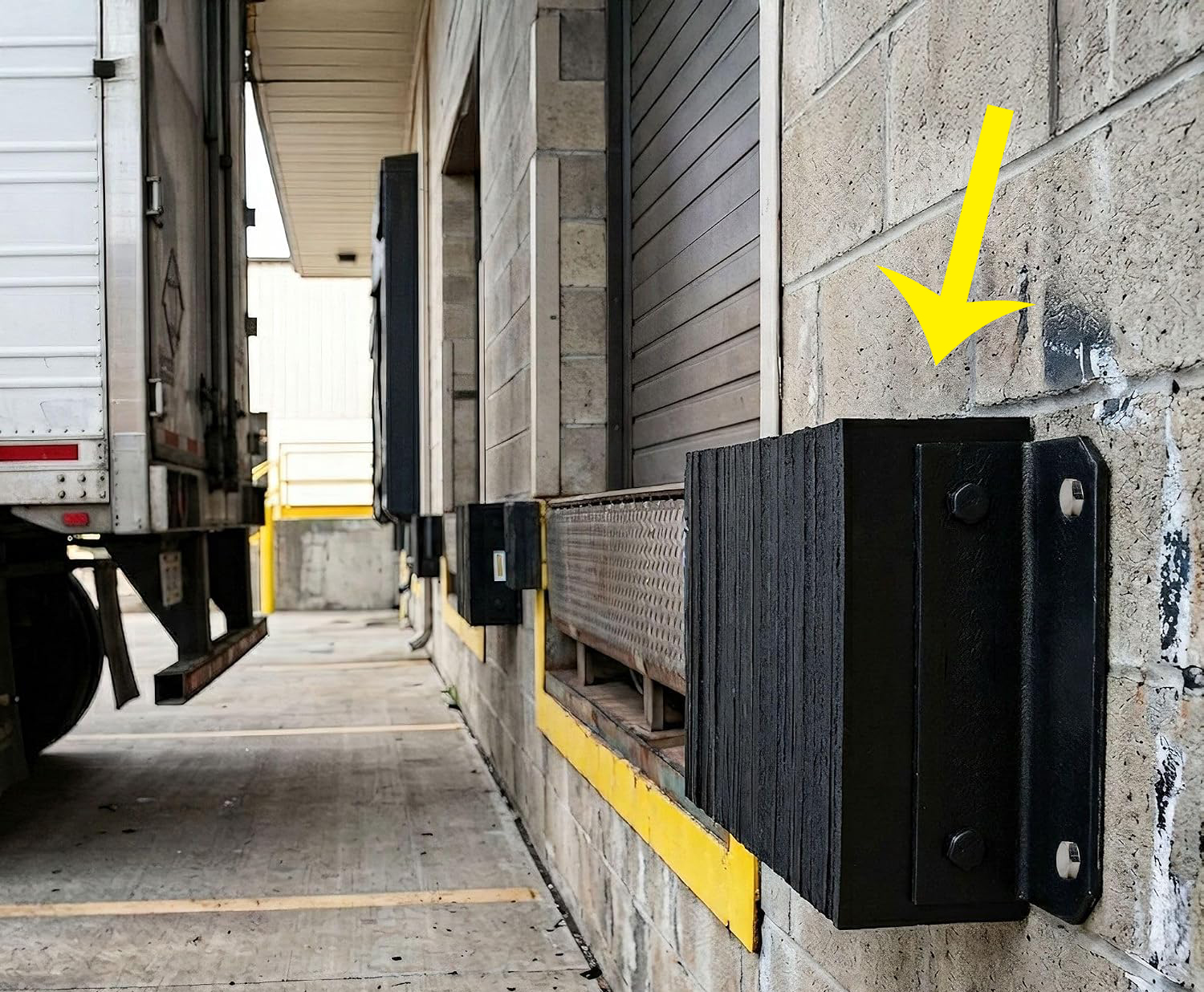 Rubber Laminated Loading Dock Bumper with Steel Angle: 5 Field Failure Signs That Point Back to the RFQ
 Bridge Bearing Pad Field Failure: 5 Visual Signs Before It Retires (And What Caused It)
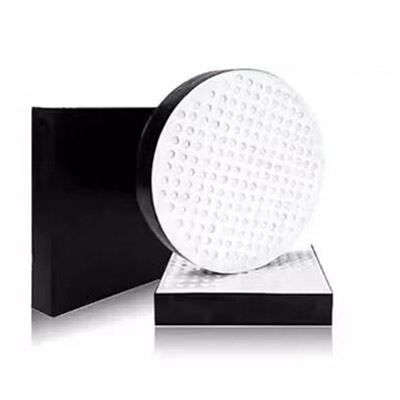 Bridge Bearing Pad RFQ Checklist: 9 Lines That Stop Suppliers From Subbing the Rubber
 Laminated Rubber Bearing: Maintenance and Inspection Protocols