An Air-Inflated Rubber Dam looks simpler than a water-filled one. No fill pond, no big pump shaft, just a blower, some pipe, and a bag full of air. That simplicity is exactly why people underspec it.
Air dams inflate in minutes, not hours. They also breathe with temperature, slosh under overflow, and punish any slack in the anchor or the side seal. Most failures do not start as a dramatic burst — they start as a slow pressure drift, a faint hiss at the end dam, a flutter on the crest during a storm.
Here are five field signs that repeat across irrigation weirs, urban flood gates, and landscape dams — and what each one really means.
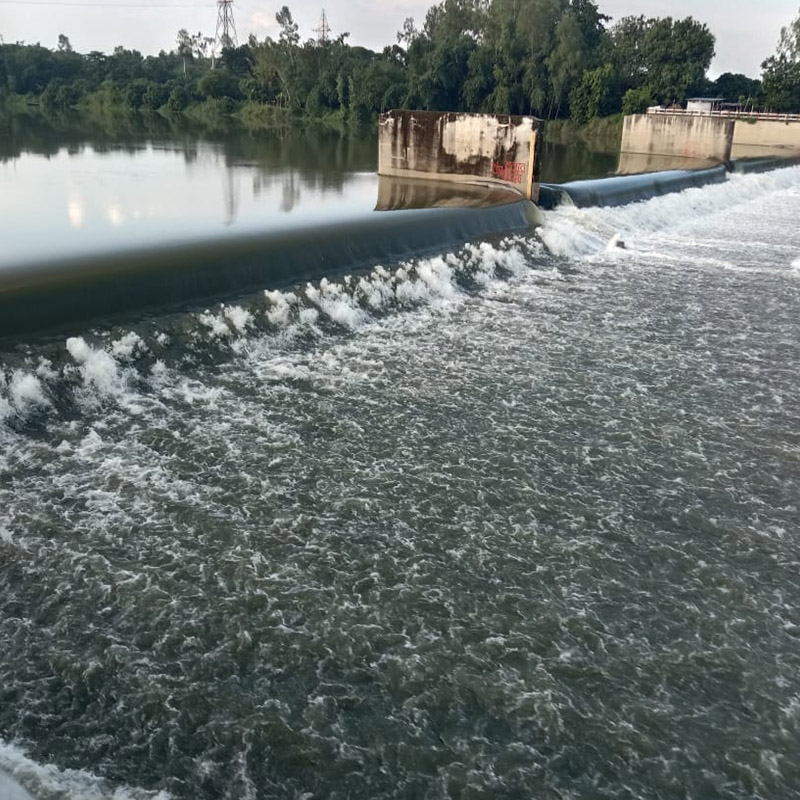
1. Side-seam hiss — the leak you can’t see from upstream
You walk the crest, hear nothing. Soap-film the sidewall joint and bubbles climb the seam line. Pressure bleeds overnight.
Root cause:
- Side dam (end dam) overlap shifted after repeated inflate/deflate cycles
- Clamping plate torque uneven — one corner under-compressed
- Seam rubber aged, lost elasticity, permanent set from years of cycling
- RFQ specified “single anchor line” where the hydraulic condition needed double anchor
Field rule: air dams leak at edges, not just at punctures. Soap-test the full perimeter every season. Re-torque bolts diagonally, not in a sweep. If the side seam has moved, stop inflating to full height until the overlap is reset.
2. Anchor creep — the bag “walks” toward downstream
The bag sits proud of the sill on one end, pulled toward the downstream face. Anchor bolts show exposed thread growth.
Root cause:
- Overtopping flow drags the crest, reaction force pulls the membrane at the anchor line
- Single upstream anchor on a site with downstream tailwater — needs second line
- Concrete anchor groove has honeycomb; clamp plate rocks
- Internal pressure set too high for the anchor layout
Field rule: anchor creep is a geometry problem, not a “tighten it harder” problem. Check tailwater condition, add the second anchor line if the spec missed it, and verify the groove contact is full-length. A creeping bag will tear at the fold.
3. Crest flutter and V-notch at partial height
Operators love air dams because they adjust fast. But run it at 60–80% height and the crest dips into a V, slaps, and vibrates.
Root cause:
- Air dam at partial inflation forms a V-shaped depression below ~95% height
- Flow velocity near the notch excites membrane resonance
- Internal pressure not trimmed as upstream level changes
- Span too long without intermediate sensing
Field rule: flutter is fatigue. For air dams, prefer near-full or near-empty operating bands, or add automatic pressure trim tied to water-level sensors. If the crest slaps for more than a few minutes in a storm, lower it — do not ride it out.
4. Pressure drop that isn’t a leak
Control room sees 0.02 MPa drop overnight. Crew soaps the bag, finds nothing. Next night, same drop.
Root cause:
- Condensate collects inside the bladder; air volume changes with temperature
- Sun heats the bag by day, pressure rises; night cools, pressure falls — looks like a leak
- Sensor drift, or the relief valve weeps at the top of the range
- No automatic bleed of condensate in the control logic
Field rule: air dams manage gas, not liquid. Temperature-correct the setpoint, drain condensate on a schedule, and calibrate sensors yearly. A “leak” that tracks the weather is usually physics, not a hole.
5. Fold crease at end dam never recovers, then checks
Where the bag folds against the abutment when deflated, a hard crease stays white after re-inflation. Next season it cracks.
Root cause:
- Debris (ice, gravel, rebar offcut) trapped in the fold
- Low-temp compound not specified; rubber stiffens below design temp
- Bag deflated onto abrasive silt instead of cleaned sill
- Ozone/UV checking on the crease where strain concentrates
Field rule: a crease that stays after inflation is a future tear. Clear the sill before every drawdown, specify low-temp ozone-resistant compound for cold regions, and never fold a bag onto sharp embedded steel.
What to put in the RFQ so the air dam survives the cycle
“Membrane: fabric-reinforced rubber bladder, EPDM or NR/EPDM blend, ozone-resistant outer ply; tensile and elongation stated separately for outer and inner layers.”
“Safety factor: minimum 8× working pressure for air-inflated design; internal pressure ratio (k) stated for height.”
“Anchor: dual-line where downstream tailwater exists; clamp plate hot-dip galvanized or stainless; torque chart supplied.”
“Side/end dam seal: continuous vulcanized seam; peel-adhesion test per batch; no cold-patch primary seams.”
“Control system: per-span pressure sensing, auto pressure trim, condensate drain cycle, relief valve below burst threshold.”
“Operating band: specify full-up / full-down preference; if partial-height operation required, model V-notch and vibration.”
“Compounds by climate: low-temp brittle point ≤ site design temp; UV/ozone grade for exposed tropical sites.”
“Leak test at acceptances: inflate to working pressure, soap-film all seams/anchors, hold 12 h, log decay.”
“Marking & traceability: height, batch No., mfg date, ply class, max working pressure on bladder end.”
“O&M package: torque schedule, condensate drain interval, soap-test procedure, spare gasket and seam-repair kit.”
What operators should remember
An Air-Inflated Rubber Dam is not a water dam with the water drained out. It is a pressurized membrane system: lighter, faster, but less forgiving.
Most air-dam complaints are not “rubber wore out.” They are:
- side seal spec’d like a water bag
- single anchor where tailwater needed two
- partial-height operation with no pressure trim
- temperature drift read as a leak
- RFQ that said “pneumatic rubber dam as per supplier standard”
Fix those five, and the bag inflates in minutes for years. Skip them, and you get a hiss, a flutter, and a midnight call during the flood.

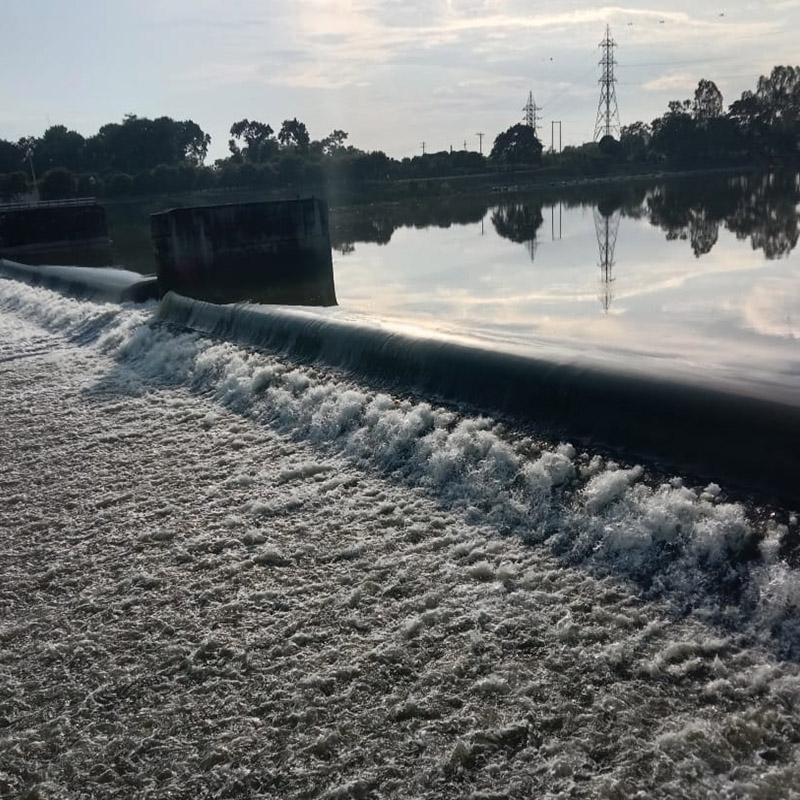 Water-Filled Rubber Dam: 5 Field Failures That Show Up Before the Dam Bag Bursts
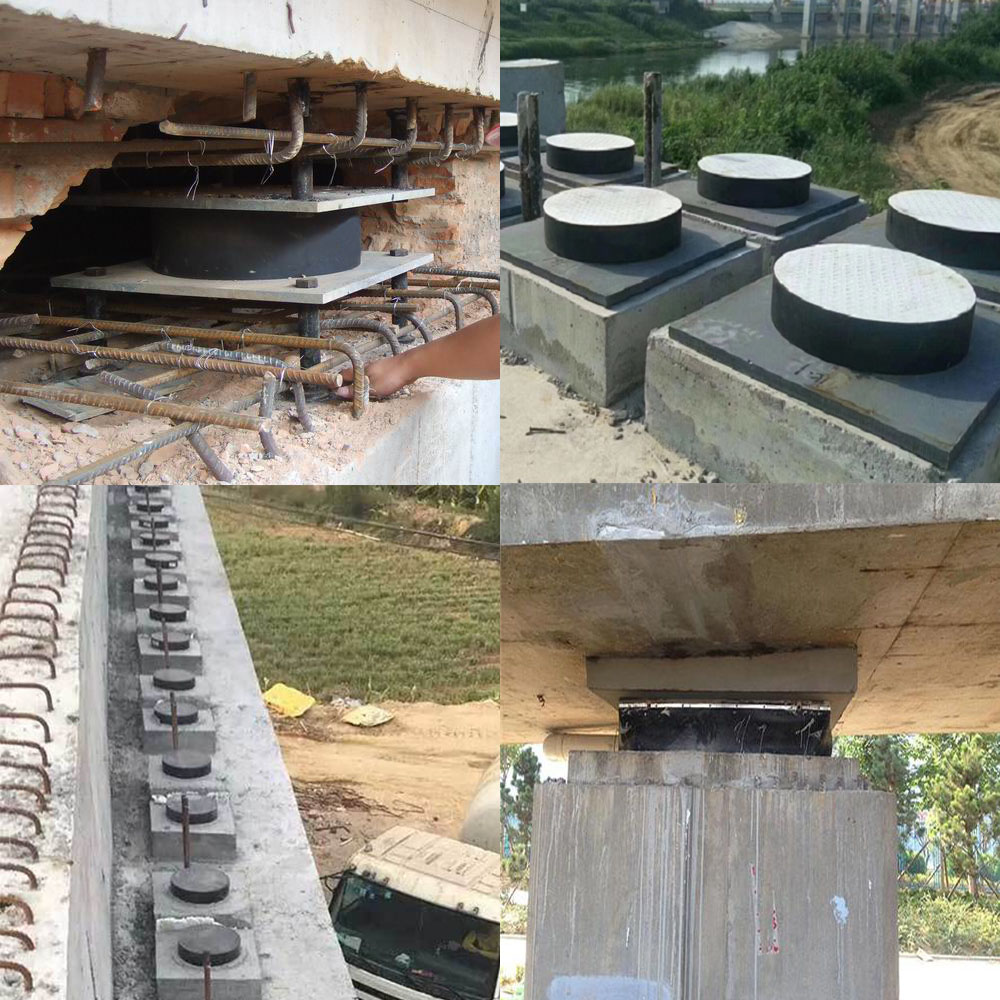 Bridge Bearing Pad Design for Bridge Construction: Load Transfer, Movement and Reliable Service
 Bridge Bearing Pad Inspection and Maintenance: A Field Guide for Safer Bridge Construction
