
In the world of industrial and pipeline applications, rubber inflatable airbags have emerged as versatile and reliable tools. These flexible, air-filled structures are used in a wide range of scenarios, from ship launching and docking to heavy lifting and construction projects. A common question that arises among users and potential buyers is whether these airbags can be reused. The answer, in short, is yes, but with several important considerations. Let's delve deeper into the factors that influence the reusability of rubber inflatable airbags.
Understanding the Construction and Durability
Rubber inflatable airbags are typically constructed from high-strength, flexible rubber materials. These materials are chosen for their ability to withstand significant pressure, abrasion, and environmental factors such as saltwater exposure and extreme temperatures. The inflatable rubber bladders are reinforced with multiple layers of synthetic fibers, which enhance their strength and durability. This robust construction is the foundation for their reusability. When properly maintained and used within their specified limits, these multi-pipe giameter universal reducer airbags can endure numerous cycles of inflation and deflation without compromising their structural integrity.
Proper Usage and Handling
The key to maximizing the reusability of rubber inflatable airbags lies in proper usage and handling. Each inflatable airbag comes with specific guidelines regarding its maximum load capacity, inflation pressure, and operating temperature range. Adhering to these guidelines is crucial to prevent overloading, overinflation, or exposure to conditions that could damage the rubber or the reinforcement layers. For instance, using an inflatable rubber bladder beyond its rated capacity can lead to stretching, tearing, or even catastrophic failure. Similarly, exposing the airbag to sharp objects or abrasive surfaces can cause punctures or cuts, rendering it unusable. By following the manufacturer's instructions and employing best practices during operation, users can significantly extend the lifespan of their rubber inflatable airbags.
Regular Inspection and Maintenance
Regular inspection and maintenance are essential for ensuring the continued reusability of rubber inflatable airbags. After each use, the inflatable rubber bladders should be thoroughly inspected for any signs of wear, damage, or leaks. Small punctures or cuts can often be repaired using specialized patch kits designed for nflatable airbags. However, if the damage is extensive or affects the structural integrity of the inflatable airbag, it may need to be retired from service. In addition to visual inspections, users should also check the air pressure regularly and adjust it as needed to maintain optimal performance. Proper storage is equally important; multi-pipe giameter universal reducer airbags should be stored in a cool, dry place away from direct sunlight and chemicals that could degrade the rubber.
Environmental Considerations
The environment in which rubber inflatable airbags are used can also impact their reusability. For example, inflatable airbags used in extreme temperatures, whether hot or cold, may require special care to prevent the rubber from becoming brittle or losing its elasticity. By taking these environmental factors into account and implementing appropriate protective measures, users can help ensure that their airbags remain in good condition for reuse.
The Economic Benefits of Reusability
The reusability of rubber inflatable airbags offers significant economic benefits to users. Instead of having to purchase new airbags for each project or application, users can rely on their existing inventory, reducing costs and minimizing waste. This is particularly advantageous in industries where large quantities of airbags are required, such as shipbuilding or heavy construction. Additionally, the ability to reuse airbags reduces the environmental impact associated with manufacturing and disposing of single-use products. By investing in high-quality, reusable multi-pipe giameter universal reducer airbags and implementing a robust maintenance program, companies can achieve both cost savings and environmental sustainability.
Training and Education for Optimal Use
To fully capitalize on the reusability of rubber inflatable airbags, it's important for users to receive proper training and education. This includes understanding the correct inflation and deflation procedures, as well as how to safely handle and store the inflatable rubber bladder. Training should also cover basic troubleshooting and repair techniques, enabling users to address minor issues on their own without the need for professional assistance. By empowering users with the knowledge and skills they need to use and maintain their inflatable airbags effectively, companies can ensure that these valuable tools are utilized to their fullest potential.
In conclusion, rubber inflatable airbags are indeed reusable, provided they are constructed from high-quality materials, used and handled properly, inspected and maintained regularly, and protected from environmental factors that could cause damage. The economic and environmental benefits of reusability make these airbags an attractive option for a wide range of applications. By investing in proper training and education, users can maximize the lifespan of their inflatable airbags and enjoy the many advantages they offer. Whether you're launching a ship, lifting heavy loads, or working on a construction project, reusable rubber inflatable airbags are a reliable and cost-effective solution.
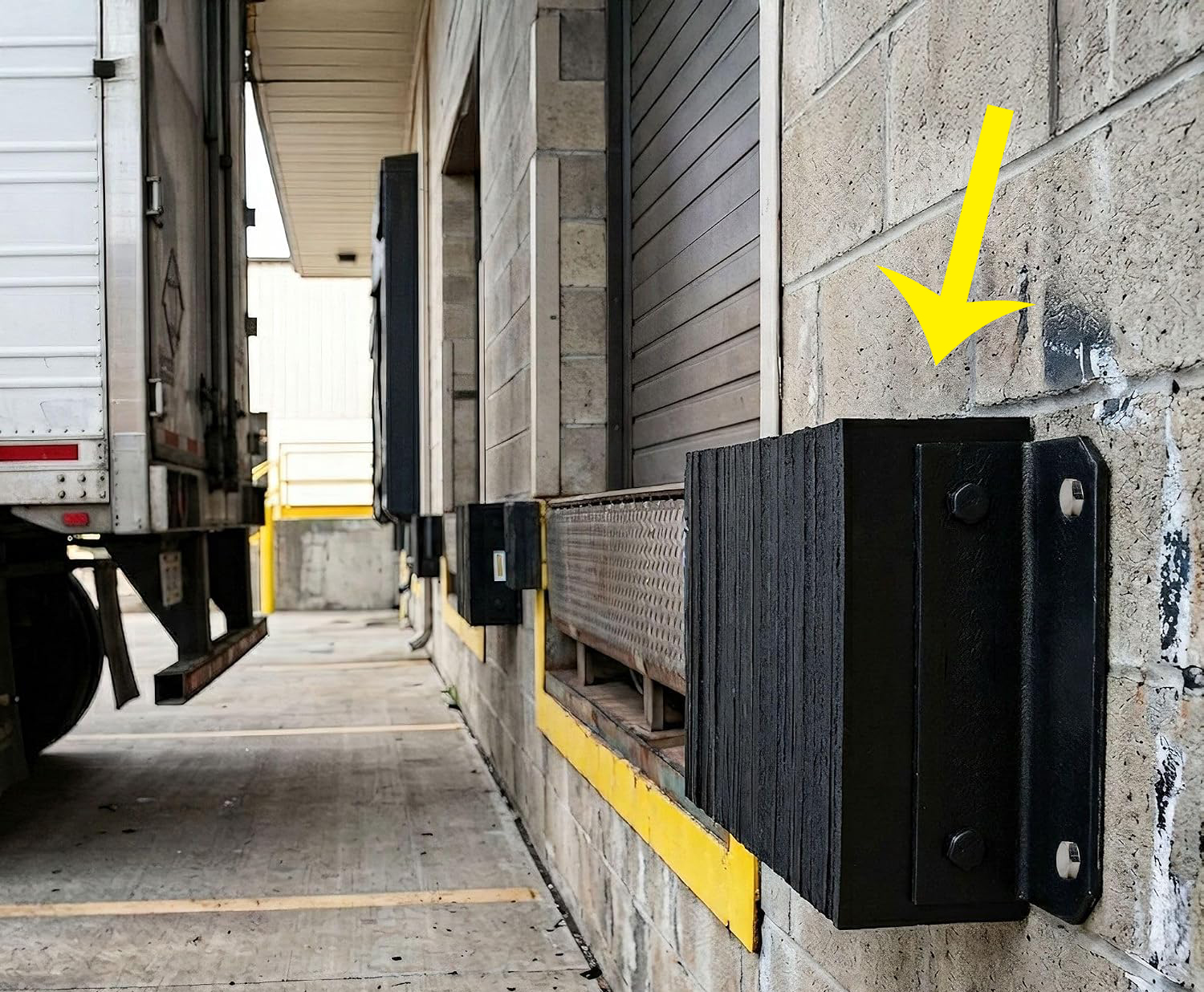 Rubber Laminated Loading Dock Bumper with Steel Angle: 5 Field Failure Signs That Point Back to the RFQ
 Bridge Bearing Pad Field Failure: 5 Visual Signs Before It Retires (And What Caused It)
 Bridge Bearing Pad RFQ Checklist: 9 Lines That Stop Suppliers From Subbing the Rubber
 Laminated Rubber Bearing: Maintenance and Inspection Protocols