
When it comes to industrial equipment, rubber inflatable airbags are versatile tools used across various sectors, from marine applications to construction and heavy machinery. Their durability and flexibility make them indispensable, but proper storage is critical to ensuring they remain functional and safe over time. Whether you’re managing a fleet of rubber inflatable airbags or handling them occasionally, understanding how to store them correctly can prevent damage, reduce costs, and extend their lifespan. This guide breaks down the essential steps and considerations for storing rubber inflatable airbags effectively.

1. Clean Before Storage: The First Step to Preservation
Before storing any rubber inflatable airbag, cleaning it thoroughly is non-negotiable. Residue from oils, chemicals, or environmental debris can degrade the material over time, leading to cracks, weakening, or even catastrophic failure during use. Start by rinsing the inflatable airbag with mild soap and water, using a soft brush to scrub away stubborn dirt. Avoid harsh detergents or solvents, as these can strip the rubber of its natural oils, making it brittle.
After cleaning, ensure the inflatable airbag is completely dry before storage. Moisture trapped inside can encourage mold growth or corrosion, especially if stored in a humid environment. Use a clean cloth to wipe down the surface and allow it to air-dry in a shaded area. For rubber water plugging airbag with internal chambers, inflate them slightly to let trapped water evaporate, then deflate them fully before storing.
2. Choose the Right Environment: Temperature and Humidity Matter
The storage location plays a pivotal role in maintaining the integrity of rubber inflatable airbags. Ideally, store them in a cool, dry place away from direct sunlight. Prolonged exposure to UV rays can cause the rubber to degrade, leading to discoloration, cracking, or loss of elasticity. A climate-controlled environment is optimal, but if that’s not feasible, aim for a space where temperatures remain stable—between 50°F and 75°F (10°C to 24°C) is ideal.
Humidity is another critical factor. High moisture levels can lead to condensation inside the inflatable airbag, fostering mold or mildew. Conversely, excessively dry conditions can cause the rubber to dry out and crack. If storing in a garage or warehouse, use dehumidifiers in damp climates or humidifiers in arid regions to maintain balance. Additionally, avoid storing rubber inflatable airbags near heat sources like furnaces or radiators, as extreme heat can accelerate material breakdown.
3. Proper Positioning: Avoid Stress and Deformation
How you position the inflatable rubber bladder during storage can impact its shape and functionality. Never store inflated airbags under heavy objects, as this can cause permanent deformation or punctures. Instead, deflate them fully and lay them flat on a clean, dry surface. If the rubber water plugging airbag is large, roll it loosely rather than folding it sharply, which can create creases that weaken the material over time.
For smaller rubber water plugging airbag, hanging them vertically on sturdy hooks or racks can save space and prevent flat spots. Ensure the hanging method doesn’t stretch or distort the rubber. If stacking inflatable rubber bladder, place a protective layer like a soft cloth or foam between them to prevent friction damage. Always avoid stacking heavy items on top, as this can compress and deform the lower layers.
4. Shield from Pests and Chemicals: Unseen Threats
Rubber inflatable airbags are vulnerable to pests like rodents or insects, which can chew through the material or nest inside. Store inflatable rubber bladder in sealed containers or cover them with breathable fabric to deter pests. Avoid plastic tarps, as they can trap moisture and promote mold growth.
Chemicals are another hazard. Keep airbags away from solvents, fuels, or cleaning agents, as these can react with the rubber and cause deterioration. Even vapors from harsh chemicals can damage the material over time. If storing in a garage or workshop, designate a separate area for inflatable rubber bladder, away from tools or substances that could harm them.
5. Regular Inspections: Catch Issues Early
Even in storage, rubber inflatable airbags require periodic checks to ensure they remain in good condition. Schedule monthly inspections to look for signs of wear, such as cracks, discoloration, or brittleness. Check seams and valves for leaks or damage, as these are common failure points. If you notice any issues, address them immediately—minor repairs can prevent costly replacements later.
During inspections, also verify that the storage environment remains suitable. Check for temperature fluctuations, humidity changes, or pest activity. Adjust your storage setup as needed to maintain optimal conditions.
6. Rotate Stock: Prevent Long-Term Neglect
If you have multiple inflatable rubber bladder in storage, rotate their usage to prevent some from sitting unused for extended periods. Rubber can degrade even when not in use, especially if stored improperly. By rotating stock, you ensure all rubber water plugging airbag are cycled through active use and storage, reducing the risk of material fatigue.
Create a tracking system to monitor when each airbag was last used or inspected. This helps prioritize maintenance and ensures no airbag is overlooked. For businesses managing large inventories, digital asset management tools can streamline this process.
7. Disposal and Recycling: End-of-Life Considerations
Eventually, even well-maintained rubber water plugging airbag will reach the end of their usable life. When this happens, dispose of them responsibly. Many rubber products can be recycled, but check local regulations to ensure compliance. Some facilities accept industrial rubber for repurposing into products like flooring or playground surfaces.
If recycling isn’t an option, dispose of rubber water plugging airbag in accordance with environmental guidelines. Never burn rubber, as this releases harmful toxins into the air. Instead, contact waste management services to handle them safely.
Conclusion: Storage as an Investment in Longevity
Proper storage of rubber inflatable airbags isn’t just about tidiness—it’s an investment in safety, efficiency, and cost savings. By cleaning thoroughly, choosing the right environment, positioning them carefully, and conducting regular inspections, you can extend the lifespan of these versatile tools significantly. Whether for marine, construction, or industrial use, following these guidelines ensures your airbags remain reliable when you need them most.
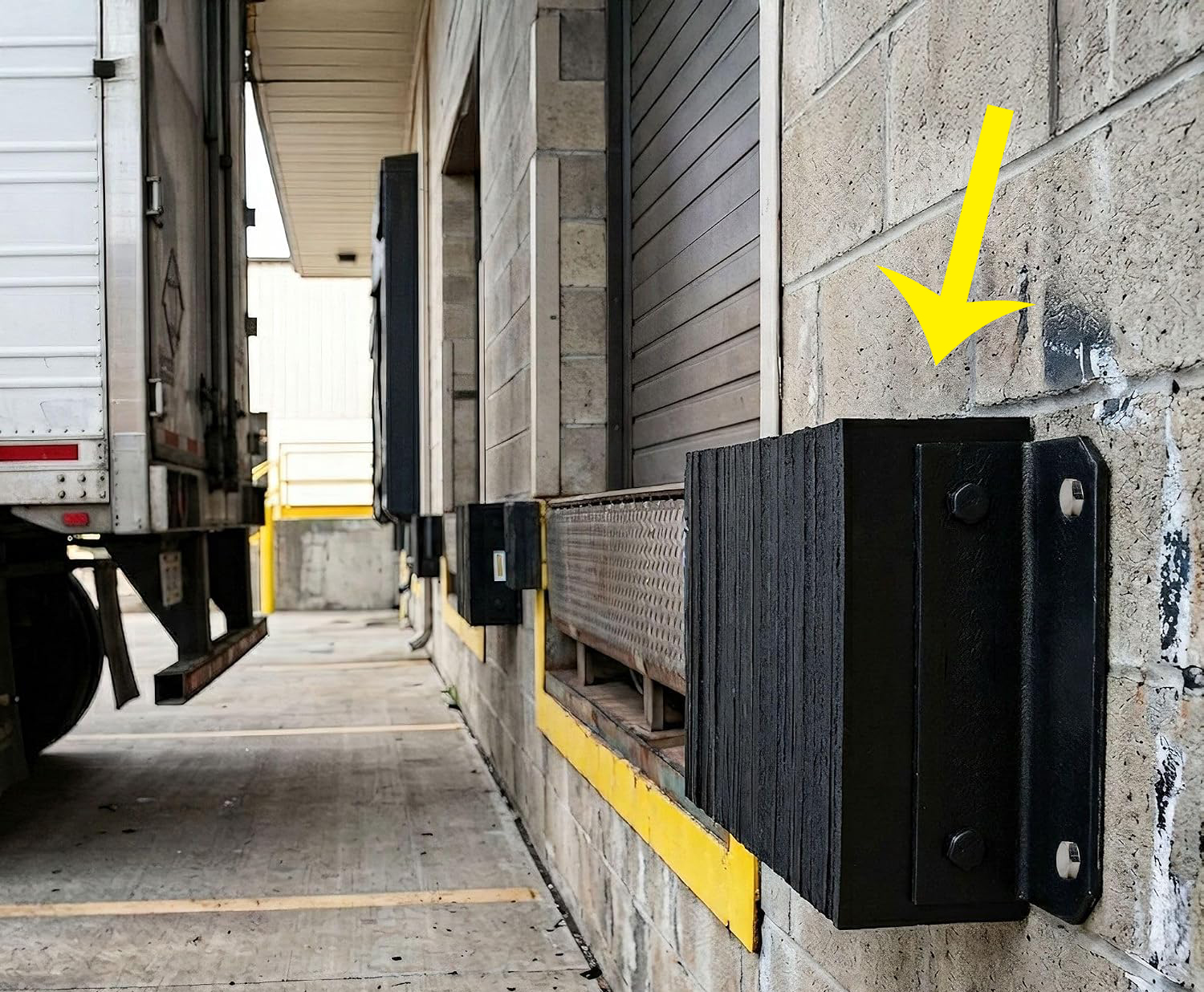 Rubber Laminated Loading Dock Bumper with Steel Angle: 5 Field Failure Signs That Point Back to the RFQ
 Bridge Bearing Pad Field Failure: 5 Visual Signs Before It Retires (And What Caused It)
 Bridge Bearing Pad RFQ Checklist: 9 Lines That Stop Suppliers From Subbing the Rubber
 Laminated Rubber Bearing: Maintenance and Inspection Protocols