
When it comes to widely used in industrial and mining foundation, highway bridge,construction engineering,tunnel engineering,water conservancy engineering(dock,slipway,wharf), rubber inflatable airbags are versatile tools that serve multiple purposes. One common question among professionals considering these products is: What determines the weight of a rubber inflatable airbag, and why does it matter? This guide explores the factors influencing weight, how it impacts performance, and why understanding this metric is essential for selecting the right airbag for your needs.

The Role of Material Thickness and Durability
The weight of a rubber inflatable airbag is heavily influenced by the thickness of its rubber layers. Thicker rubber walls are designed to withstand higher pressure, abrasion, and environmental stressors, making them ideal for heavy-duty applications like bridge construction, or cargo handling. However, increased thickness also adds to the overall weight. For example, an concrete inflatable airbag with a 20mm rubber wall will naturally weigh more than one with a 10mm wall, even if their dimensions are identical.
Durability is another critical factor. Reinforced layers, such as synthetic fibers or high-tensile cords embedded within the rubber, enhance strength without drastically increasing weight. These reinforcements allow airbags to maintain structural integrity under extreme conditions while keeping weight manageable. When comparing options, it’s important to balance thickness with reinforcement technology to avoid unnecessary bulk without compromising safety.
Size and Dimensions: How Geometry Affects Weight
The physical dimensions of an airbag—length, diameter, and shape—play a direct role in its weight. Larger airbags require more material to construct, which increases weight proportionally. For instance, a cylindrical airbag measuring 6 feet in length and 3 feet in diameter will weigh significantly more than a smaller, 3-foot-long model with a 1-foot diameter.
Shape also matters. Some inflatable airbags are designed with custom contours to fit specific spaces or applications, such as pipeline tunnel concrete pouring and forming projects of highway bridges culvert.
These designs may use slightly less material than standard cylindrical shapes, resulting in a lighter product. However, custom shapes often prioritize functionality over weight reduction, so the trade-off
depends on the user’s priorities.
Inflation Pressure and Internal Components
The maximum inflation pressure an airbag can handle affects its weight in two ways. First, higher-pressure airbags require stronger, thicker rubber to prevent rupture, which adds weight. Second, the internal valves and fittings used to control airflow also contribute to the overall mass. Heavy-duty brass or stainless-steel valves, while durable, are denser than lightweight plastic alternatives, increasing the rubber inflatable airbag’s weight.
For applications requiring precise pressure control, such as lifting delicate machinery or stabilizing structures, the choice of valves and fittings becomes even more critical. While heavier components may add weight, they often provide greater reliability and safety, justifying the trade-off in many industrial scenarios.
Environmental Adaptability: Weight Considerations for Different Climates
Rubber inflatable airbags are used in diverse environments, from freezing Arctic waters to scorching desert heat. Temperature extremes can affect rubber elasticity, requiring manufacturers to adjust material compositions or thicknesses to maintain performance. For example, inflatable airbags used in cold climates may incorporate additives to prevent the rubber from becoming brittle, which could slightly increase weight.
Similarly, exposure to saltwater, UV radiation, or chemicals necessitates specialized coatings or treatments. These protective layers add minimal weight but are essential for longevity. Users in harsh environments should prioritize airbags engineered to withstand local conditions, even if they weigh slightly more, as premature failure could lead to costly downtime or safety risks.
Transportation and Handling: Why Weight Matters in Logistics
The weight of concrete inflatable airbags directly impacts transportation costs and ease of handling. Heavier airbags require more labor to move, position, and install, which can increase labor expenses or delay projects.
Conversely, lighter airbags are easier to transport and deploy, making them ideal for remote job sites or applications requiring frequent relocation. However, users must ensure that reduced weight doesn’t come at the expense of critical performance metrics like load capacity or pressure resistance. Striking the right balance ensures efficiency without compromising safety.
Customization Options: Tailoring Weight to Specific Needs
Many manufacturers offer customizable inflatable airbags to meet unique project requirements. By adjusting parameters like rubber thickness, reinforcement layers, or dimensions, users can create rubber inflatable airbags that align precisely with their needs.
Customization also allows users to optimize weight for storage. Deflated airbags take up minimal space, but their inflated weight still matters for transportation. By working closely with suppliers, teams can design airbags that are both space-efficient and easy to handle when inflated, reducing overall project complexity.
Conclusion: Balancing Weight with Performance and Safety
The weight of a rubber inflatable airbag is not a fixed metric but a variable influenced by material quality, size, pressure ratings, environmental adaptability, and customization. While lighter airbags offer logistical advantages, heavier models often provide superior durability and load-bearing capacity. The key is to assess your specific needs.
By understanding these factors, professionals can make informed decisions that enhance efficiency, safety, and cost-effectiveness. Whether you’re working on a small-scale renovation or a large industrial project, the right rubber inflatable airbag will always strike the perfect balance between strength and practicality.
 How Much Load Can a Bridge Bearing Pad Actually Carry? Engineering Data for Safe Girder Support
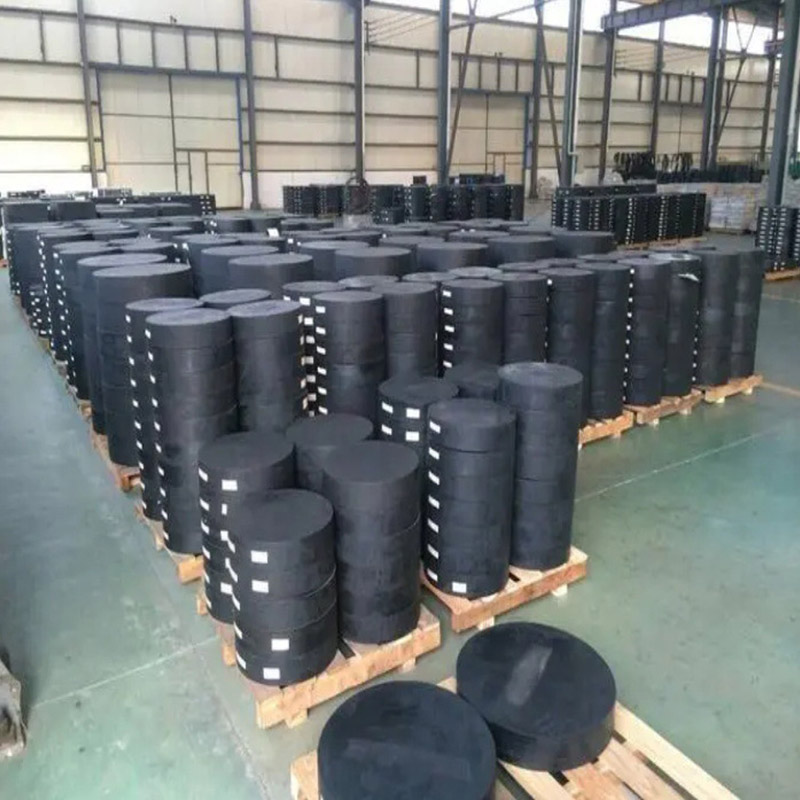 Is Your Bridge Bearing Pad Specified for the Wrong Rubber Grade? Why Elastomeric Bridge Bearing Pad Selection Decides 50-Year Deck Life
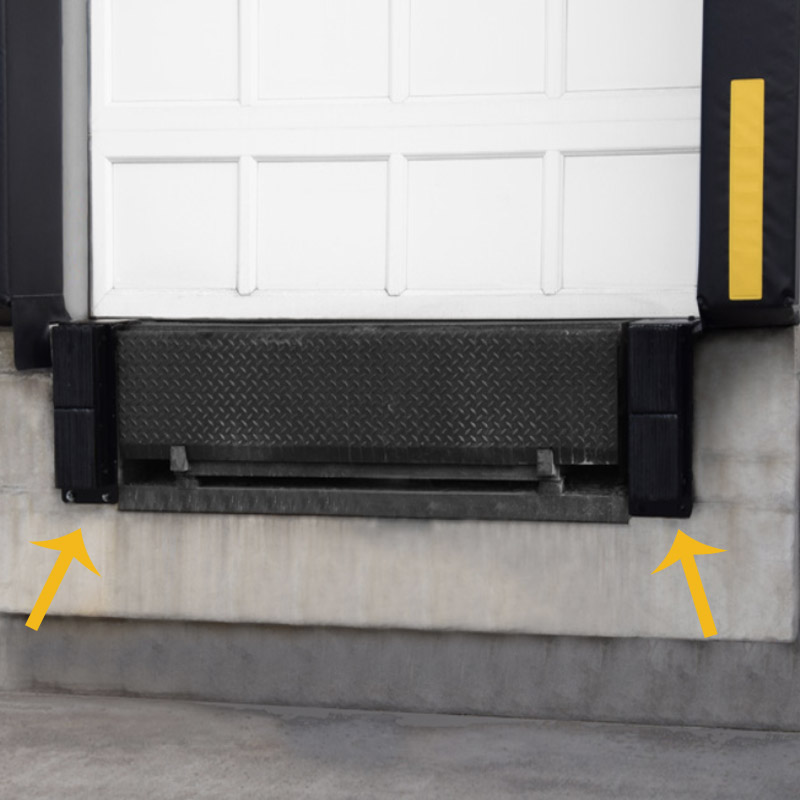 Can a Loading Dock Bumper Survive -30°C Winters and +50°C Summers? Here Is the Extreme-Weather Data
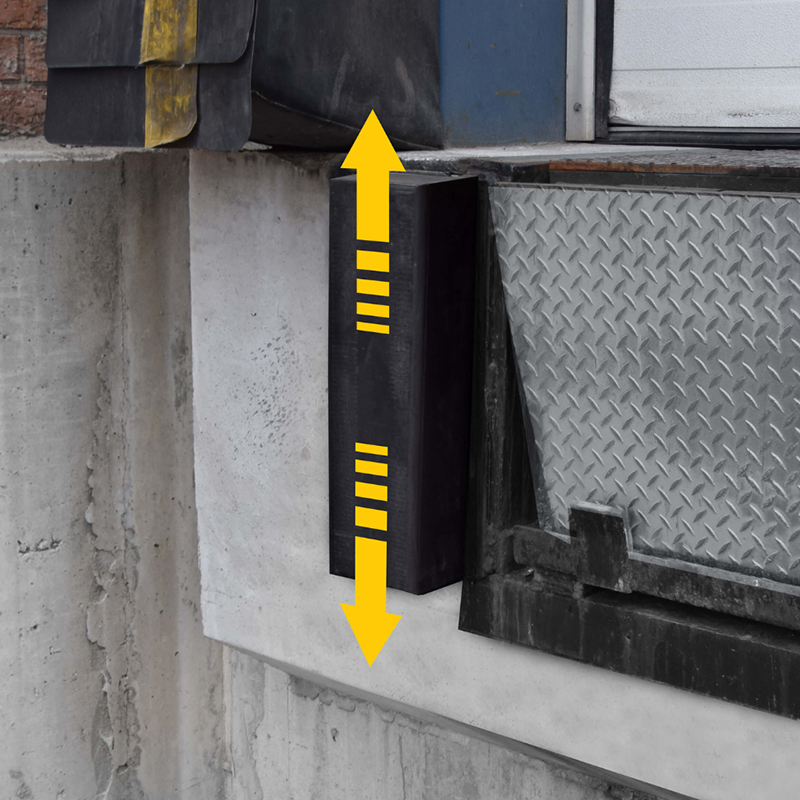 Are Your Dock Bumpers Specified for the Wrong Impact Profile? Why a Loading Dock Bumper with a Steel Face Outperforms in Real Traffic