
When it comes to construction projects involving concrete pouring, achieving the right shape and structural integrity can be a challenging task. One innovative solution that has gained significant popularity in recent years is the use of concrete inflatable airbags. These versatile tools offer a cost-effective and efficient way to create voids or specific shapes within concrete structures. In this blog post, we'll explore how to use these airbags effectively for concrete pouring, covering everything from preparation to post-pouring procedures.

Understanding the Basics of Concrete Inflatable Airbags
Concrete inflatable airbags are essentially flexible, inflatable bladders made from durable rubber materials. They are designed to be placed within formwork before concrete is poured. Once inflated, they create a cavity or shape within the concrete, which can be used for various purposes such as creating hollow sections, reducing weight, or forming complex geometries. The key advantage of using these airbags lies in their flexibility and adaptability to different project requirements. They can be customized in terms of size, shape, and even inflation pressure to suit specific construction needs.
Preparing for the Pour: Essential Steps
Before using rubber inflatable airbags, thorough preparation is crucial to ensure a successful pour. First, assess the project requirements to determine the appropriate size and shape of the inflatable airbag needed. This involves considering factors such as the desired void size, the type of concrete being used, and the overall structural design. Next, prepare the formwork where the inflatable airbag will be placed. Ensure that the formwork is sturdy and properly sealed to prevent any concrete leakage around the airbag. It's also important to clean the formwork and the rubber inflatable airbag itself to remove any debris or contaminants that could affect the quality of the concrete finish.
Inflating the Airbag: A Critical Process
Inflating the airbag is a critical step that requires precision and care. Start by connecting the rubber inflatable airbag to a reliable air source using a high-quality hose and valve system. Gradually inflate the airbag to the recommended pressure, which is usually specified by the manufacturer based on the concrete inflatable airbag's size and intended use. It's essential to monitor the inflation process closely to avoid over-inflation, which could cause the inflatable airbag to burst or deform the formwork. Once the rubber inflatable airbag reaches the desired pressure, secure the valve to prevent any air loss during the pouring process.
Pouring the Concrete: Best Practices
With the concrete inflatable airbag properly inflated and secured within the formwork, it's time to pour the concrete. Begin by pouring the concrete slowly and evenly around the rubber inflatable airbag, taking care not to displace or damage it. Use a vibrator to consolidate the concrete and eliminate any air pockets that could weaken the structure. As the concrete is poured, continue to monitor the inflatable airbag's position and pressure to ensure it remains stable and intact. If necessary, make adjustments to the airbag's pressure or position to maintain the desired shape and void size.
Curing and Demolding: Post-Pouring Procedures
After the concrete has been poured and has started to set, it's important to follow proper curing procedures to ensure the concrete reaches its full strength and durability. This typically involves keeping the concrete moist and at a consistent temperature for a specified period, which can vary depending on the type of concrete used and environmental conditions. Once the concrete has cured sufficiently, it's time to demold the structure and remove the airbag. Carefully deflate the airbag using the valve system, then gently pull it out of the concrete void. Inspect the airbag for any damage or wear and clean it thoroughly for future use.
Advantages of Using Concrete Inflatable Airbags
There are several advantages to using concrete inflatable airbags in construction projects. Firstly, they offer a cost-effective alternative to traditional formwork methods, reducing material costs and labor requirements. Secondly, their flexibility and adaptability allow for the creation of complex shapes and voids that would be difficult or impossible to achieve with conventional formwork. Additionally, using rubber inflatable airbags can speed up the construction process by eliminating the need for multiple formwork setups and dismantling. Finally, the lightweight nature of inflatable airbags makes them easier to handle and transport, further enhancing their practicality on construction sites.
Safety Considerations and Maintenance Tips
While concrete inflatable airbags offer numerous benefits, it's important to prioritize safety when using them. Always follow the manufacturer's instructions for inflation pressure and handling procedures to avoid accidents or injuries. Wear appropriate personal protective equipment, such as gloves and safety glasses, when working with concrete and airbags. Regularly inspect the airbags for signs of wear or damage, and replace them as needed to ensure optimal performance. Store the inflatable airbags in a cool, dry place away from direct sunlight and sharp objects to prolong their lifespan.
In conclusion, concrete inflatable airbags are a valuable tool for construction projects involving concrete pouring. By understanding the basics of their use, following proper preparation and pouring procedures, and prioritizing safety and maintenance, construction professionals can leverage these rubber inflatable airbags to achieve high-quality, cost-effective results. Whether you're working on a small residential project or a large-scale commercial development, consider incorporating concrete inflatable airbags into your construction process for enhanced efficiency and versatility.
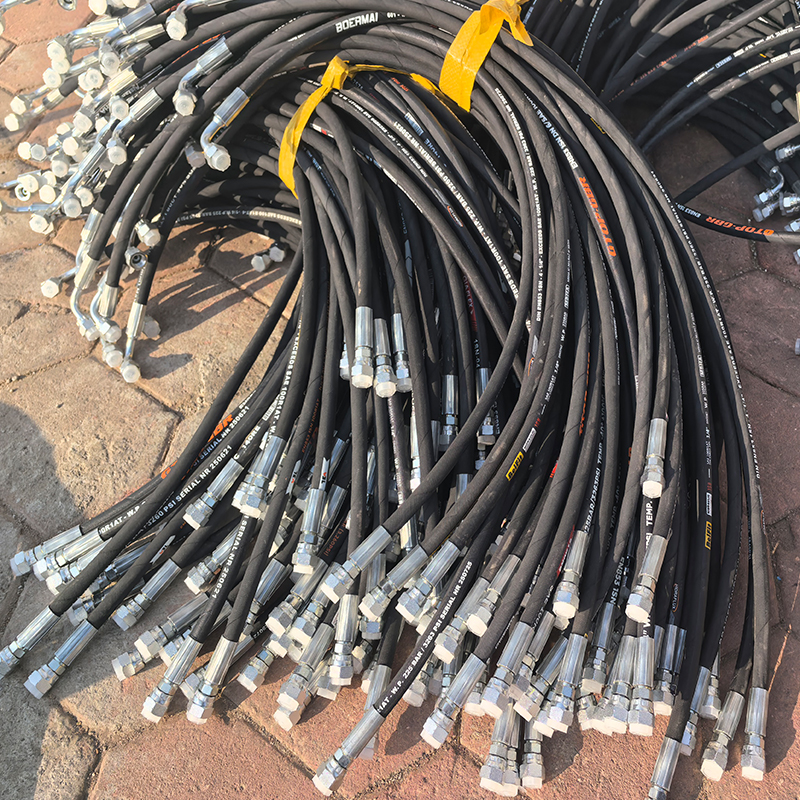 How to Create a Proactive Spiral Hydraulic Hose Replacement Plan That Prevents Downtime?
 Is Your Hydraulic System Overstressing? 5 Diagnostic Signs You Need to Upgrade to Spiral Hose
 Is Your Hydraulic System Pushing Limits? When to Specify Spiral Hose vs. Braided?
 Is Your Machinery Demanding More? Why Upgrade to a Spiral Hydraulic Hose?