
In the realm of plumbing and home maintenance, flexible pipe couplings have emerged as a versatile solution for connecting pipes of varying materials and sizes. These devices, designed to absorb movement, reduce noise, and simplify installations, are a staple in both residential and commercial projects. Yet, a common question arises among homeowners and DIY enthusiasts: Are flexible pipe couplings reusable? This article delves into the nuances of reusing these couplings, exploring their durability, application limits, and best practices to ensure longevity and safety.
Understanding Flexible Pipe Couplings
Flexible pipe couplings are engineered to join pipes securely while accommodating slight misalignments, thermal expansion, and vibrations. Unlike rigid couplings, which demand precise alignment, flexible versions offer a margin of error, making them ideal for retrofitting or repairs in tight spaces. They are typically constructed from durable materials like stainless steel clamps and rubber sleeves, ensuring resilience against water, chemicals, and pressure.
However, the reusability of these couplings hinges on their design and the conditions they’ve endured. While some models are built for multiple installations, others may degrade after initial use, compromising their integrity. Understanding the coupling’s composition and intended use is the first step in assessing its reusability.
Factors Influencing Reusability
Several factors determine whether a flexible pipe coupling can be safely reused. Material quality is paramount; high-grade rubber sleeves and corrosion-resistant clamps are more likely to withstand repeated use. Installation stress also plays a role—over-tightening or mishandling during removal can damage the coupling’s components.
Additionally, the environmental conditions the coupling has been exposed to matter. Exposure to extreme temperatures, chemicals, or UV radiation can weaken the rubber sleeve, reducing its flexibility and sealing capabilities. If a coupling has been subjected to harsh elements, reusing it may risk leaks or failures.
When Reuse Is Possible
In certain scenarios, reusing flexible pipe couplings is feasible. For instance, couplings used in low-pressure applications, such as drainage systems, may retain their functionality after removal. If the coupling was installed correctly the first time—not over-tightened and protected from environmental stressors—it might be suitable for reuse.
Before reinstalling, inspect the coupling thoroughly. Check the rubber sleeve for cracks, tears, or signs of degradation. Ensure the clamps are undamaged and can still grip the pipe securely. If the coupling passes this visual inspection, it may be reused, provided the new application mirrors the original conditions.
Risks of Reusing Couplings
Despite the allure of cost savings, reusing flexible pipe couplings carries inherent risks. Compromised seals are a primary concern; even minor damage to the rubber sleeve can lead to leaks, which may cause water damage or mold growth. Structural weaknesses in the clamps or sleeve can result in catastrophic failures under pressure, posing safety hazards.
Moreover, reusing couplings may violate local building codes or manufacturer warranties. Many guidelines recommend against reuse to ensure system reliability. Homeowners should weigh the short-term savings against potential long-term costs, including repairs and insurance claims.
Alternatives to Reusing Couplings
For those hesitant to reuse couplings, several alternatives exist. New couplings are affordable and guarantee optimal performance, especially in critical applications like potable water lines. Push-fit or compression fittings offer another reusable option, though they may have different installation requirements.
In some cases, repair sleeves or clamps can extend the life of a damaged coupling without full replacement. However, these solutions are temporary and should be evaluated by a professional to ensure compliance with safety standards.
Professional Insights and Recommendations
Plumbing experts generally advise caution when reusing flexible pipe couplings. According to industry veterans, the risk of failure often outweighs the benefits. “It’s better to invest in a new coupling than risk a leak,” says a seasoned plumber with over two decades of experience. “The cost of a replacement is minimal compared to the damage a failed coupling can cause.”
Manufacturers also emphasize adhering to installation guidelines. Many provide clear instructions on whether their couplings are designed for single or multiple uses. Homeowners should consult these resources or contact customer support for clarity.
Best Practices for Coupling Maintenance
To maximize the lifespan of flexible pipe couplings, proper maintenance is key. Regular inspections can detect early signs of wear, such as rust on clamps or brittleness in the rubber sleeve. Avoiding harsh chemicals and protecting couplings from UV exposure (if installed outdoors) can prevent premature aging.
When removing couplings, use gentle techniques to minimize damage. Avoid cutting or prying, which can warp the sleeve or clamps. If reuse is intended, store the coupling in a cool, dry place away from direct sunlight.
Conclusion: Weighing the Options
The question of whether flexible pipe couplings are reusable lacks a one-size-fits-all answer. While some couplings may withstand reuse under ideal conditions, the risks of failure and non-compliance with regulations often make replacement the safer choice. Homeowners and DIYers should prioritize safety and longevity, consulting professionals when in doubt.
 Tired of Replacing Torn Dock Bumpers? Does Steel-Reinforced Rubber Solve Your Problem?
 Looking for Dock Bumpers that Last? How Do Steel-Cornered Pads Cut Your Repair Costs?
 Need Maximum Durability? Why Choose a Rubber Laminated Bumper with Reinforced Steel Corners?
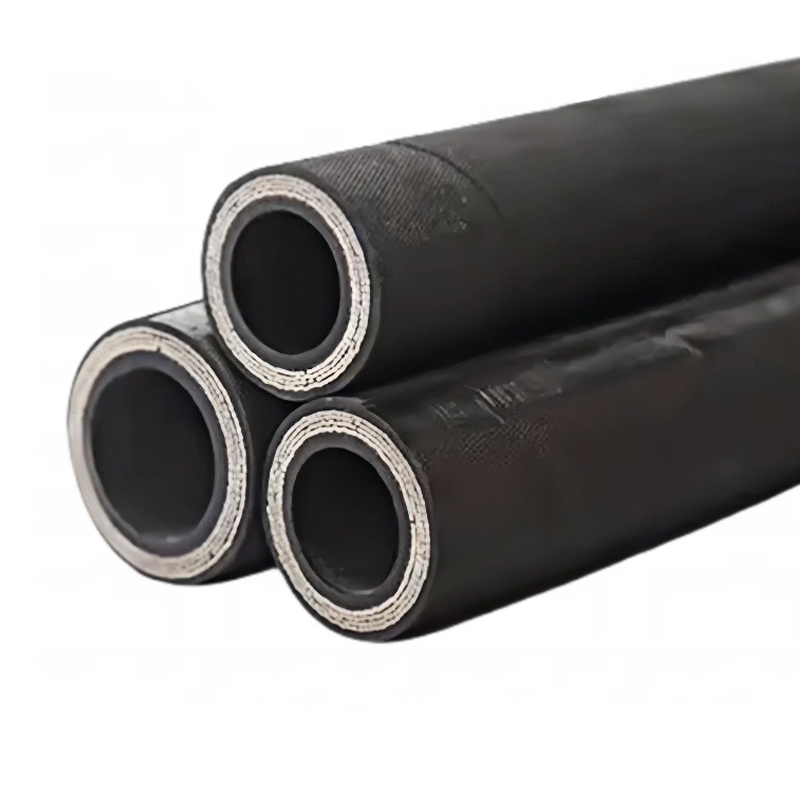 What's the True ROI of Upgrading to Spiral Hydraulic Hose? A Cost-Benefit Analysis