
In the intricate world of plumbing, where pipes weave through walls, floors, and ceilings to deliver essential utilities, flexibility is not just a luxury—it’s a necessity. One of the unsung heroes of modern plumbing systems is the flexible pipe coupling. Often overlooked, this humble component plays a pivotal role in connecting pipes, absorbing vibrations, and accommodating movements caused by temperature changes, settling foundations, or seismic activity. This article delves into the nuances of flexible pipe couplings, exploring their types, applications, benefits, and maintenance tips to empower homeowners and professionals alike.
Understanding the Basics: What Is a Flexible Pipe Coupling?
A flexible pipe coupling is a device designed to join two pipes together while allowing for slight movement, misalignment, or expansion. Unlike rigid couplings, which demand precise alignment and offer no give, flexible couplings compensate for minor discrepancies in pipe positioning. They are typically made from durable materials like rubber, stainless steel, or reinforced polymers, ensuring longevity and resistance to corrosion, chemicals, and extreme temperatures.
The core function of a flexible coupling is to create a watertight seal while absorbing stress. This is particularly crucial in areas prone to ground shifts or where pipes are exposed to varying thermal conditions. For instance, in regions with cold winters, pipes contract and expand as temperatures fluctuate. A rigid coupling might crack under such pressure, whereas a flexible one bends without breaking, preventing leaks and costly repairs.
Types of Flexible Pipe Couplings: Choosing the Right Fit
Not all flexible couplings are created equal. The choice depends on factors like pipe material, diameter, pressure requirements, and environmental conditions. Here are the most common types:
Rubber Flexible Couplings: Ideal for residential plumbing, these couplings use rubber sleeves reinforced with stainless steel clamps. They are affordable, easy to install, and suitable for connecting pipes of the same or different materials (e.g., PVC to copper). However, they may not withstand high pressures or extreme temperatures.
Shielded Flexible Couplings: These feature a metal shield over the rubber sleeve, adding durability and resistance to abrasion. They are commonly used in commercial and industrial settings where pipes face heavier loads or harsher conditions.
No-Hub Couplings: Designed for cast iron pipes, no-hub couplings use a neoprene gasket and stainless steel bands. They are popular in sewer and drainage systems due to their ability to handle large diameters and resist corrosion.
Compression Couplings: These use compression fittings to create a seal, making them suitable for both rigid and flexible applications. They are often used in high-pressure systems or when disassembly might be required.
Seismic Couplings: Engineered for earthquake-prone regions, these couplings allow for significant lateral and axial movement without compromising the seal. They are a critical component in safeguarding plumbing infrastructure during seismic events.
Applications: Where Flexible Couplings Shine
Flexible pipe couplings are versatile, finding use in a wide range of plumbing scenarios:
Residential Repairs: When replacing a section of a leaky pipe, a flexible coupling can bridge the gap between old and new pipes, even if they’re slightly misaligned.
Commercial Construction: In large buildings, pipes often traverse long distances and encounter structural shifts. Flexible couplings ensure the system remains intact despite movements.
Industrial Settings: Factories and processing plants rely on flexible couplings to connect pipes carrying chemicals, steam, or other aggressive substances, where rigid joints would fail prematurely.
Renovation Projects: Retrofitting older homes with modern plumbing often involves connecting incompatible pipe materials. Flexible couplings simplify this process, reducing the need for extensive re-piping.
Outdoor Installations: Pipes buried underground or exposed to weather elements benefit from flexible couplings, which tolerate ground settling and temperature-induced expansion.
Advantages of Flexible Pipe Couplings: Why They’re Worth It
The benefits of incorporating flexible couplings into plumbing systems are manifold:
Ease of Installation: Unlike rigid couplings that require precise measurements and welding, flexible couplings can be installed quickly, even by DIY enthusiasts with basic tools.
Cost-Effectiveness: By preventing leaks and reducing the likelihood of pipe damage, flexible couplings lower long-term maintenance costs.
Noise Reduction: In multi-story buildings, water hammer (the loud banging noise when taps are shut off) can be mitigated using flexible couplings, which absorb shock waves.
Adaptability: They accommodate changes in pipe alignment over time, making them ideal for systems that may need modifications in the future.
Safety: In seismic zones, flexible couplings can prevent catastrophic pipe failures during earthquakes, protecting both property and lives.
Common Challenges and Solutions
Despite their advantages, flexible couplings aren’t without challenges. Here’s how to address them:
Leakage: Improper installation or wear and tear can lead to leaks. Solution: Regularly inspect couplings and tighten clamps if loose. Replace worn-out gaskets promptly.
Material Incompatibility: Using the wrong coupling type for the pipe material can cause corrosion or seal failure. Solution: Always verify compatibility with the pipe manufacturer or a plumbing expert.
Over-Tightening: Excessive force when tightening clamps can damage the coupling or pipe. Solution: Follow torque specifications provided by the manufacturer.
Temperature Limits: Some flexible couplings may degrade at extreme temperatures. Solution: Opt for high-temperature-rated couplings in hot water lines or industrial applications.
Maintenance Tips: Prolonging the Lifespan of Flexible Couplings
To ensure flexible couplings perform optimally, adopt these maintenance practices:
Visual Inspections: Check couplings annually for signs of cracking, corrosion, or loose clamps. Pay extra attention to areas exposed to sunlight or chemicals.
Pressure Testing: Periodically test the plumbing system for leaks, especially after major temperature changes or seismic activity.
Replace Aging Components: Even if no leaks are visible, consider replacing couplings older than 10–15 years, as rubber and gaskets can deteriorate over time.
Avoid Harsh Chemicals: When cleaning pipes, use mild, non-abrasive cleaners to prevent damage to coupling materials.
Professional Consultation: For complex systems or recurring issues, consult a licensed plumber to assess and upgrade couplings as needed.
The Future of Flexible Pipe Couplings: Innovations and Trends
As plumbing technology evolves, so do flexible couplings. Recent advancements include:
Smart Couplings: Equipped with sensors to detect leaks or pressure changes, these couplings alert homeowners or maintenance teams in real time.
Eco-Friendly Materials: Manufacturers are exploring biodegradable or recycled materials to reduce environmental impact.
Enhanced Durability: New formulations of rubber and polymers offer greater resistance to UV rays, chemicals, and extreme temperatures.
Modular Designs: Couplings that can be easily disassembled and reassembled are gaining popularity for their reusability and adaptability.
Conclusion: The Unsung Hero of Plumbing
Flexible pipe couplings may not be the most glamorous component of a plumbing system, but their role is undeniably critical. From preventing leaks to absorbing seismic shocks, these devices ensure the smooth operation of pipes in homes, businesses, and industrial facilities. By understanding their types, applications, and maintenance needs, homeowners and professionals can make informed decisions, extending the lifespan of plumbing systems and avoiding costly disruptions.
 Tired of Replacing Torn Dock Bumpers? Does Steel-Reinforced Rubber Solve Your Problem?
 Looking for Dock Bumpers that Last? How Do Steel-Cornered Pads Cut Your Repair Costs?
 Need Maximum Durability? Why Choose a Rubber Laminated Bumper with Reinforced Steel Corners?
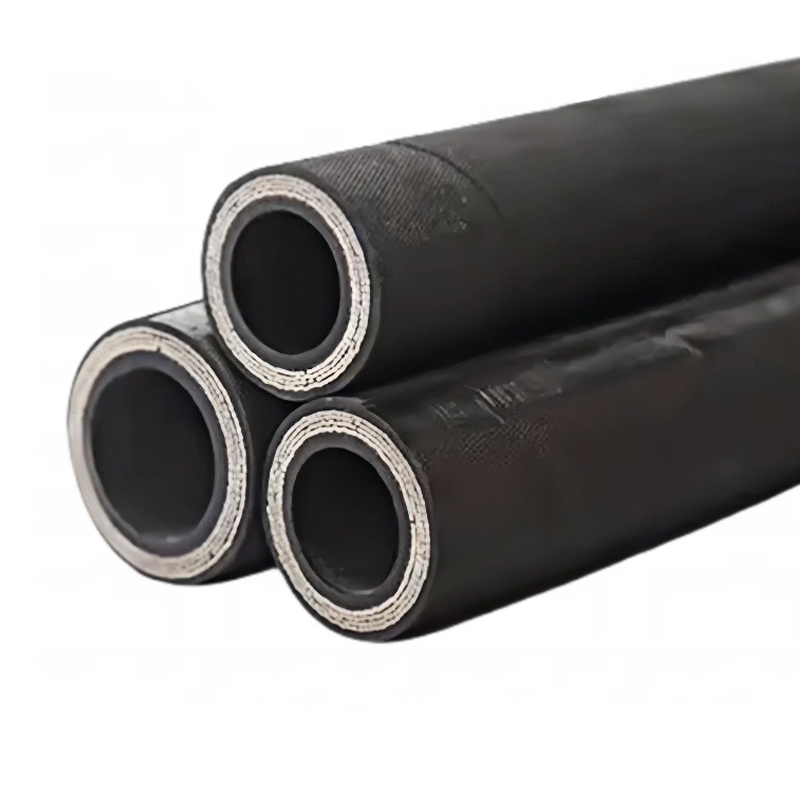 What's the True ROI of Upgrading to Spiral Hydraulic Hose? A Cost-Benefit Analysis