
Refrigeration systems are the backbone of countless industries, from food storage and transportation to pharmaceutical manufacturing and HVAC solutions. At the heart of these systems lie the pipelines that transport refrigerants, ensuring efficient heat exchange and temperature control. However, these pipelines are subject to various stresses, including thermal expansion, vibrations, and minor misalignments. To address these challenges, flexible pipe couplings have emerged as a critical component in refrigeration line installations. This article explores the role, benefits, and considerations of flexible pipe couplings in refrigeration applications.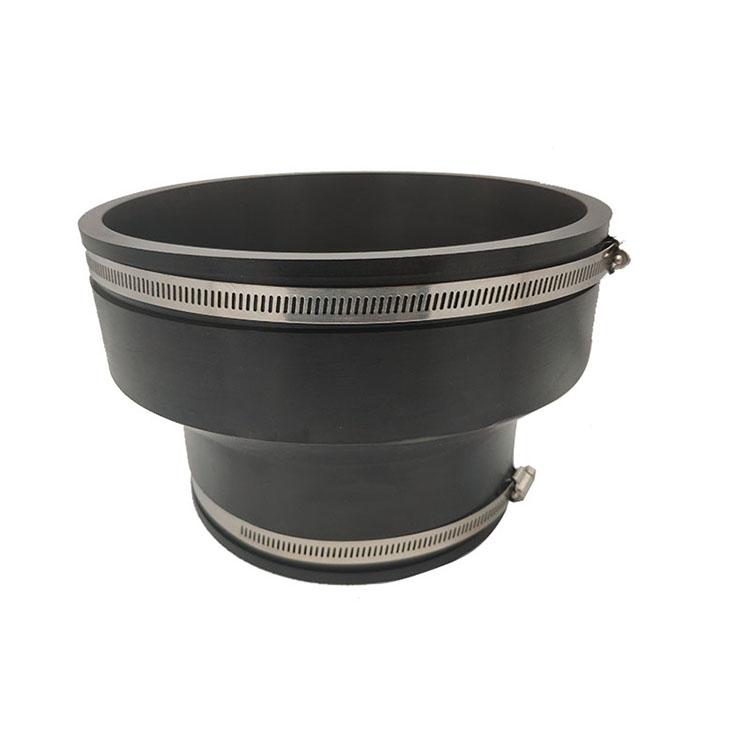
The Role of Flexible Pipe Couplings in Refrigeration Systems
Refrigeration pipelines are not static; they expand and contract due to temperature fluctuations, vibrate from compressors and pumps, and may experience slight misalignments during installation or over time. Traditional rigid couplings can struggle to accommodate these movements, leading to leaks, premature wear, or even system failures. Flexible pipe couplings, on the other hand, are designed to absorb these stresses while maintaining a secure, leak-proof connection.
These couplings act as a bridge between two pipes, allowing for angular, parallel, or axial misalignment. By doing so, they reduce the risk of mechanical fatigue in the pipes and connected components, such as compressors and condensers. In refrigeration systems, where even minor leaks can compromise efficiency and safety, flexible couplings provide a reliable solution to maintain system integrity.
Key Benefits of Using Flexible Pipe Couplings
Vibration Dampening
Refrigeration compressors and pumps generate vibrations that can travel through pipelines, causing noise, wear, and potential damage. Flexible couplings act as shock absorbers, reducing the transmission of vibrations and protecting the system from long-term harm. This not only extends the lifespan of the equipment but also enhances user comfort in residential or commercial settings.
Thermal Expansion Management
As refrigerants cycle through the system, the temperature of the pipelines changes, leading to expansion and contraction. Flexible couplings accommodate these movements without imposing excessive stress on the pipes, preventing cracks or leaks that could result from rigid constraints.
Ease of Installation
Unlike rigid couplings, which require precise alignment, flexible couplings can tolerate minor misalignments during installation. This flexibility simplifies the setup process, reduces labor costs, and minimizes the risk of errors that could lead to future issues.
Corrosion Resistance
Many flexible couplings are made from materials resistant to corrosion, such as stainless steel or reinforced polymers. This is crucial in refrigeration systems, where condensation and exposure to refrigerants can accelerate corrosion in traditional metal components.
Cost-Effectiveness
While the initial cost of flexible couplings may be slightly higher than rigid alternatives, their ability to prevent leaks, reduce maintenance, and extend system lifespan makes them a cost-effective choice in the long run.
Types of Flexible Pipe Couplings for Refrigeration
Rubber or Elastomeric Couplings
These couplings use flexible rubber or synthetic elastomers to absorb vibrations and misalignments. They are lightweight, affordable, and suitable for low-pressure refrigeration systems. However, they may have limitations in high-temperature or chemical-resistant applications.
Metal Bellows Couplings
Metal bellows couplings consist of a corrugated metal tube that flexes to accommodate movement. They are ideal for high-pressure and high-temperature refrigeration systems, offering durability and resistance to harsh environments.
Composite Couplings
Combining materials like fiber-reinforced polymers with metal components, composite couplings offer a balance of flexibility, strength, and corrosion resistance. They are increasingly popular in modern refrigeration systems due to their versatility.
Factors to Consider When Choosing Flexible Couplings
Pressure and Temperature Ratings
The coupling must withstand the maximum pressure and temperature of the refrigeration system. Always check the manufacturer’s specifications to ensure compatibility.
Refrigerant Compatibility
Some refrigerants, especially newer, eco-friendly options, may react with certain materials. Choose couplings made from materials that are chemically compatible with the refrigerant used in the system.
Size and Fit
The coupling must match the pipe diameter and wall thickness to ensure a secure fit. Ill-fitting couplings can lead to leaks or reduced flexibility.
Installation Requirements
Some couplings require specialized tools or techniques for installation. Consider the ease of installation, especially for retrofits or maintenance in tight spaces.
Maintenance and Longevity
While flexible couplings reduce maintenance needs, some designs may require periodic inspection or replacement. Opt for couplings with a proven track record of durability in similar applications.
Common Challenges and Solutions
Leakage Prevention
Even flexible couplings can develop leaks if not properly installed or if they degrade over time. Regular inspections and the use of high-quality seals can mitigate this risk.
Material Degradation
Exposure to UV light, chemicals, or extreme temperatures can cause coupling materials to degrade. Select couplings with protective coatings or materials designed for the specific environment.
Excessive Movement
While flexibility is a benefit, excessive movement can lead to premature wear. Ensure the coupling is rated for the expected misalignment and that the system is designed to minimize unnecessary stress.
Maintenance Tips for Flexible Pipe Couplings
Regular Inspections
Schedule periodic checks for signs of wear, such as cracks, corrosion, or loose fittings. Early detection can prevent costly repairs.
Replace Worn Components
If a coupling shows signs of degradation, replace it promptly. Using a damaged coupling can compromise the entire refrigeration system.
Lubrication (If Required)
Some couplings may benefit from occasional lubrication to reduce friction. Follow the manufacturer’s recommendations for maintenance.
Keep Records
Maintain a log of coupling installations, inspections, and replacements. This helps track the lifespan of components and plan for future maintenance.
The Future of Flexible Pipe Couplings in Refrigeration
As refrigeration technology evolves, so do the demands on pipeline components. Innovations in materials science, such as advanced polymers and nanocomposites, are leading to couplings that are lighter, stronger, and more resistant to extreme conditions. Additionally, the push toward sustainable refrigeration systems, including those using natural refrigerants, will require couplings that meet stringent compatibility and environmental standards.
Smart refrigeration systems, which incorporate sensors and IoT technology, may also integrate with flexible couplings to provide real-time data on performance and potential issues. This proactive approach to maintenance could further enhance the reliability and efficiency of refrigeration systems.
Conclusion
Flexible pipe couplings are an indispensable component in modern refrigeration systems, offering a reliable solution to the challenges of thermal expansion, vibrations, and misalignment. By choosing the right type of coupling and following proper installation and maintenance practices, operators can ensure the longevity and efficiency of their refrigeration systems. As technology advances, these couplings will continue to play a vital role in supporting the evolving needs of industries that rely on precise temperature control. Whether in commercial, industrial, or residential settings, flexible pipe couplings are a testament to the importance of innovation in maintaining the integrity of critical infrastructure.
 Tired of Replacing Torn Dock Bumpers? Does Steel-Reinforced Rubber Solve Your Problem?
 Looking for Dock Bumpers that Last? How Do Steel-Cornered Pads Cut Your Repair Costs?
 Need Maximum Durability? Why Choose a Rubber Laminated Bumper with Reinforced Steel Corners?
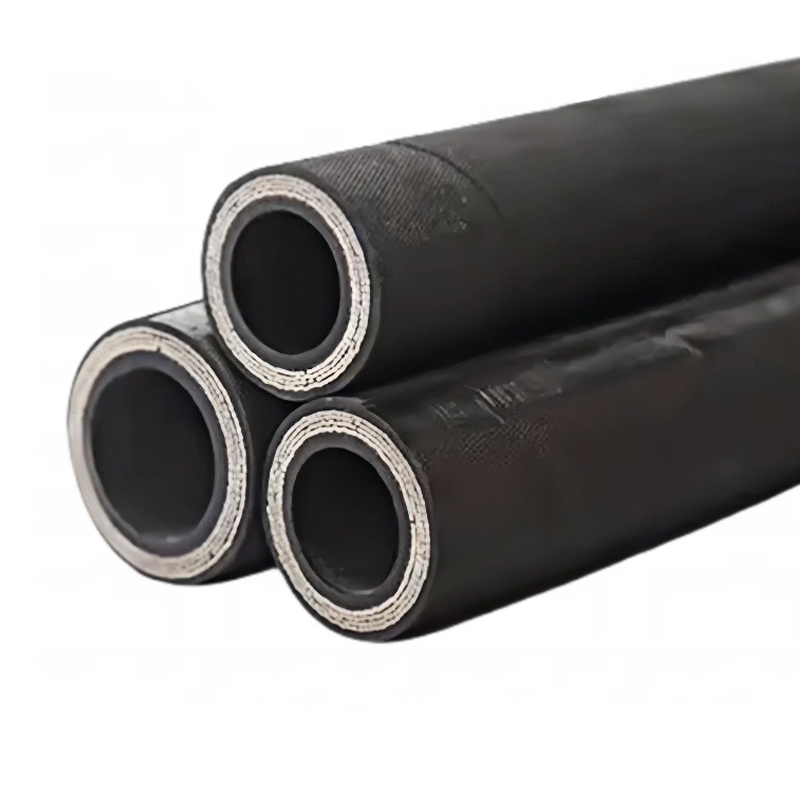 What's the True ROI of Upgrading to Spiral Hydraulic Hose? A Cost-Benefit Analysis