
Hydronic heating systems, known for their energy efficiency and consistent comfort, have become a staple in modern residential and commercial buildings. At the heart of these systems lies a network of pipes that transport heated water or steam to radiators, underfloor loops, or baseboard heaters. However, the integrity of this network depends on reliable connections—and that’s where flexible pipe couplings come into play. These unassuming components are critical for ensuring seamless, leak-free joints while accommodating the natural movements of pipes due to temperature fluctuations, vibrations, or ground shifts. This article explores the role, benefits, and considerations of flexible pipe couplings in hydronic heating systems, guiding homeowners, contractors, and building managers through their selection and maintenance.
The Role of Flexible Pipe Couplings in Hydronic Systems
Hydronic heating systems rely on a closed-loop circulation of heated fluid. Pipes in these systems are subjected to thermal expansion and contraction as water heats and cools. Traditional rigid couplings can crack or leak under such stress, leading to costly repairs and system downtime. Flexible pipe couplings, by contrast, are engineered to absorb these movements while maintaining a watertight seal.
These couplings typically consist of a rubber or synthetic sleeve reinforced with metal or plastic bands. The sleeve flexes to accommodate slight misalignments or shifts, while the bands ensure a secure grip on the pipes. Their design prevents stress from transferring to the pipes themselves, reducing the risk of fractures or joint failures. In applications where pipes traverse walls, floors, or uneven surfaces, flexible couplings provide a versatile solution that rigid alternatives cannot match.
Key Advantages of Using Flexible Pipe Couplings
Mitigation of Thermal Stress: Hydronic systems expand and contract with temperature changes. Flexible couplings act as shock absorbers, preventing pipe damage and extending system lifespan.
Ease of Installation: Unlike rigid couplings that require precise alignment, flexible options allow for minor adjustments during installation. This flexibility saves time and reduces labor costs.
Noise Reduction: Vibrations from pumps or circulating water can create annoying noises. Flexible couplings dampen these vibrations, contributing to a quieter system.
Adaptability to Different Materials: Whether connecting copper, PEX, PVC, or steel pipes, flexible couplings accommodate diverse materials without specialized tools.
Long-Term Cost Savings: By minimizing leaks and maintenance needs, these couplings offer a cost-effective solution over the system’s lifecycle.
Types of Flexible Pipe Couplings
Not all flexible couplings are created equal. Understanding the differences helps in selecting the right one for specific applications:
Rubber Sleeve Couplings: Ideal for low-pressure residential systems, these couplings use a rubber sleeve encased in stainless steel bands. They are affordable and easy to install but may not withstand high temperatures or aggressive water chemistries.
Compression-Style Couplings: These feature a rubber gasket compressed between two metal fittings. They offer higher pressure ratings and are suitable for commercial or industrial applications.
Push-Fit Couplings: A newer innovation, these couplings require no tools—simply push the pipe into the fitting. While convenient, they may have limitations in high-temperature environments.
Shielded Couplings: Designed for underground or concealed installations, shielded couplings include a protective casing to prevent damage from external impacts.
Installation Best Practices
Proper installation is crucial for maximizing the benefits of flexible pipe couplings. Here’s a step-by-step guide:
Prepare the Pipes: Ensure pipe ends are clean, deburred, and free of debris. Rough edges can damage the coupling sleeve.
Measure and Cut Accurately: Use a pipe cutter for clean, square cuts. Mismatched lengths can compromise the coupling’s seal.
Slide the Coupling into Place: For rubber sleeve couplings, position the sleeve over one pipe end before joining the pipes. For compression-style fittings, follow the manufacturer’s instructions for tightening bands.
Test for Leaks: After installation, pressurize the system and inspect joints for drips. Address any issues immediately.
Insulate Properly: In unheated spaces, wrap couplings with insulation to prevent freezing and energy loss.
Common Challenges and Troubleshooting
Despite their durability, flexible couplings can encounter issues:
Leaks Due to Improper Installation: Over-tightening bands can crack the sleeve, while under-tightening may cause leaks. Follow torque specifications provided by the manufacturer.
Material Degradation: Exposure to extreme temperatures, UV rays, or chemicals can weaken rubber sleeves. Opt for couplings rated for your system’s conditions.
Corrosion in Metal Components: In humid environments, metal bands or fittings may rust. Choose stainless steel or corrosion-resistant alloys for longevity.
Sleeve Wear Over Time: Periodically inspect couplings for signs of wear, such as cracks or bulges. Replace damaged units promptly to avoid system failures.
Maintenance and Longevity Tips
To ensure flexible pipe couplings perform optimally for years:
Schedule Annual Inspections: Check for leaks, corrosion, or physical damage, especially in hidden or hard-to-reach areas.
Monitor Water Chemistry: Aggressive water with high mineral content can accelerate sleeve degradation. Use water treatment additives if needed.
Avoid Over-Pressurization: Stay within the coupling’s rated pressure limits to prevent sleeve blowouts.
Upgrade Older Systems: If your building has aging rigid couplings, consider retrofitting with flexible options to improve reliability.
Future Trends in Hydronic Coupling Technology
The hydronic heating industry is evolving, with innovations aimed at enhancing efficiency and sustainability:
Smart Couplings with Leak Detection: Some manufacturers are exploring couplings embedded with sensors to alert users to leaks or pressure drops in real time.
Eco-Friendly Materials: Biodegradable sleeves and recyclable metal components are gaining traction as sustainability becomes a priority.
Higher Temperature Ratings: Advances in polymer science are enabling couplings to withstand higher temperatures, expanding their use in industrial applications.
Conclusion
Flexible pipe couplings are the unsung heroes of hydronic heating systems, quietly ensuring reliability, efficiency, and longevity. By understanding their role, types, and installation best practices, building owners and professionals can make informed decisions that minimize maintenance costs and maximize comfort. As technology advances, these components will continue to evolve, offering even smarter, greener solutions for heating needs. Whether you’re installing a new system or upgrading an existing one, investing in high-quality flexible couplings is a step toward a more resilient and efficient hydronic network.
 Tired of Replacing Torn Dock Bumpers? Does Steel-Reinforced Rubber Solve Your Problem?
 Looking for Dock Bumpers that Last? How Do Steel-Cornered Pads Cut Your Repair Costs?
 Need Maximum Durability? Why Choose a Rubber Laminated Bumper with Reinforced Steel Corners?
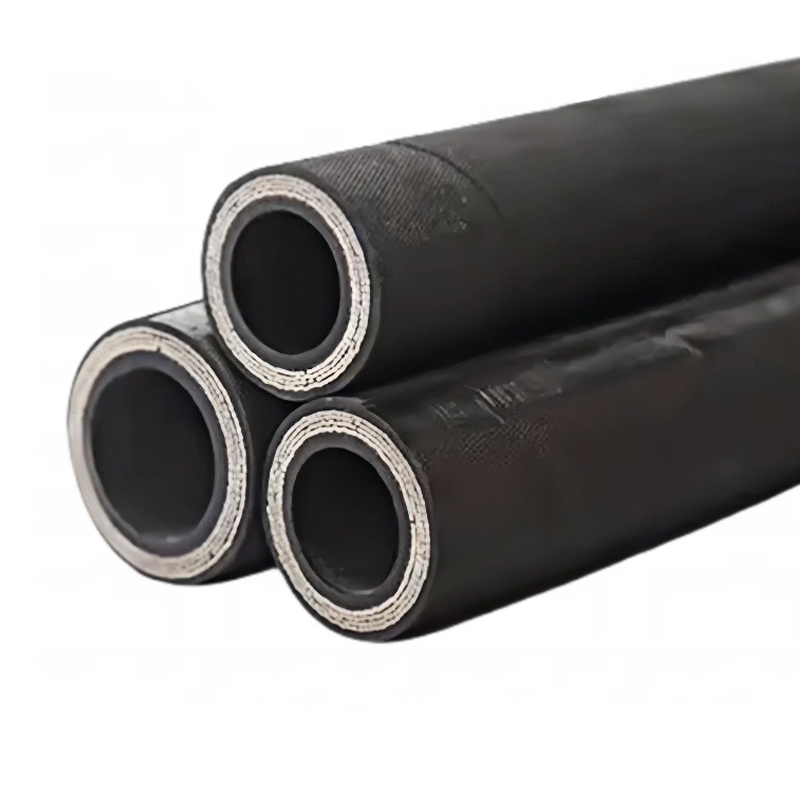 What's the True ROI of Upgrading to Spiral Hydraulic Hose? A Cost-Benefit Analysis