
Flexible pipe couplings are essential components in plumbing and piping systems, designed to connect pipes while accommodating slight misalignments, vibrations, or thermal expansion. However, there may come a time when disassembly is necessary—whether for repairs, replacements, or system upgrades. This guide walks readers through the process of safely and effectively disassembling a flexible pipe coupling, ensuring minimal disruption to the surrounding infrastructure.
Understanding the Basics of Flexible Pipe Couplings
Before diving into disassembly, it’s crucial to understand what a flexible pipe coupling is and how it functions. These couplings are typically made of durable materials like rubber, stainless steel, or composite polymers, reinforced with clamps or bands to secure pipes together. Their flexibility allows them to absorb movement, making them ideal for residential, commercial, and industrial applications.
Common scenarios requiring disassembly include leaks, corrosion, or the need to replace damaged sections of pipe. By familiarizing oneself with the coupling’s design—such as its clamping mechanism, material composition, and size specifications—homeowners can approach the task with confidence.
Gathering the Right Tools and Safety Gear
Disassembling a flexible pipe coupling doesn’t require specialized tools, but having the right equipment on hand streamlines the process. Essential tools include adjustable wrenches, screwdrivers (flathead or Phillips, depending on the coupling’s fasteners), pliers, and a utility knife for cutting through rubber seals if necessary.
Safety should never be overlooked. Wear protective gloves to shield hands from sharp edges or debris, and safety goggles to prevent eye injuries from flying particles. If working in a confined space, ensure proper ventilation to avoid inhaling dust or fumes. Additionally, keep a bucket or towels nearby to catch any residual water or debris during disassembly.
Preparing the Work Area and Shutting Off Utilities
Before starting, prepare the workspace by clearing clutter and ensuring easy access to the coupling. If the coupling is part of a plumbing system, shut off the water supply at the main valve to prevent leaks. For gas or other hazardous lines, consult a professional or follow local regulations to avoid accidents.
Drain any remaining water from the pipes by opening nearby faucets or valves. This step reduces mess and minimizes the risk of water damage. Once the area is secure, visually inspect the coupling for signs of wear, corrosion, or damage. This assessment helps determine whether disassembly is feasible or if replacement is the better option.
Loosening and Removing the Clamping Mechanism
The first technical step involves loosening the coupling’s clamps or bands. Most flexible couplings use stainless steel clamps secured with screws or bolts. Use an adjustable wrench or screwdriver to loosen these fasteners, turning them counterclockwise. If the fasteners are rusted or stuck, apply penetrating oil and wait a few minutes before retrying.
Once loosened, gently slide the clamps off the coupling. Some couplings may have multiple clamps; remove them one by one, keeping track of their order for reassembly. If the coupling includes a rubber sleeve or gasket, carefully peel it away from the pipe, noting its orientation for later use.
Separating the Pipes and Inspecting for Damage
With the clamps removed, the pipes should now be free to separate. Gently wiggle the pipes apart, taking care not to damage the surrounding fittings or walls. If the pipes are stuck due to corrosion or debris, use a flathead screwdriver or putty knife to pry them apart carefully.
Once separated, inspect both the coupling and the pipes for signs of damage. Look for cracks, rust, or wear that might necessitate repairs or replacements. Clean the pipe ends with a wire brush or sandpaper to remove debris, ensuring a smooth surface for reassembly or new couplings.
Troubleshooting Common Challenges
Disassembling a flexible pipe coupling isn’t always straightforward. Common hurdles include rusted fasteners, seized clamps, or stubborn rubber seals. For rusted parts, apply penetrating oil and let it sit for 10–15 minutes before retrying. If the clamps are still stuck, use a heat gun (on a low setting) to warm the metal, expanding it slightly for easier removal.
If the rubber seal is torn or fused to the pipe, carefully cut it away with a utility knife, taking care not to scratch the pipe. In cases where the coupling is irreparably damaged, consider consulting a professional for replacement options.
Reassembling or Replacing the Coupling
After disassembly, decide whether to reassemble the original coupling or install a new one. If reusing the coupling, ensure all components—clamps, gaskets, and seals—are in good condition. Clean the coupling and pipes thoroughly, then slide the rubber sleeve back onto one pipe end. Align the second pipe and secure the coupling by tightening the clamps in the reverse order of removal.
For replacement, measure the pipe diameter and purchase a compatible coupling. Follow the manufacturer’s instructions for installation, ensuring a snug fit without overtightening, which could damage the pipes. Once installed, turn the water or utility supply back on and check for leaks.
Final Tips for Success and Maintenance
To extend the lifespan of flexible pipe couplings, perform regular maintenance. Inspect couplings annually for signs of wear, tighten loose clamps, and replace worn gaskets promptly. Avoid over-tightening clamps, as this can stress the coupling and lead to premature failure.
If unsure about any step, consult a professional plumber or technician. Many hardware stores also offer workshops or advice for DIY enthusiasts. By approaching the task methodically and prioritizing safety, homeowners can confidently disassemble and maintain flexible pipe couplings, ensuring their plumbing systems remain reliable for years to come.
Conclusion
Disassembling a flexible pipe coupling is a manageable task with the right tools, knowledge, and precautions. By following this guide, homeowners can address plumbing issues efficiently, saving time and money on costly repairs. Whether reusing the original coupling or installing a new one, regular maintenance and attention to detail are key to a trouble-free system. Remember: when in doubt, seek expert advice to keep your pipes flowing smoothly.
 Tired of Replacing Torn Dock Bumpers? Does Steel-Reinforced Rubber Solve Your Problem?
 Looking for Dock Bumpers that Last? How Do Steel-Cornered Pads Cut Your Repair Costs?
 Need Maximum Durability? Why Choose a Rubber Laminated Bumper with Reinforced Steel Corners?
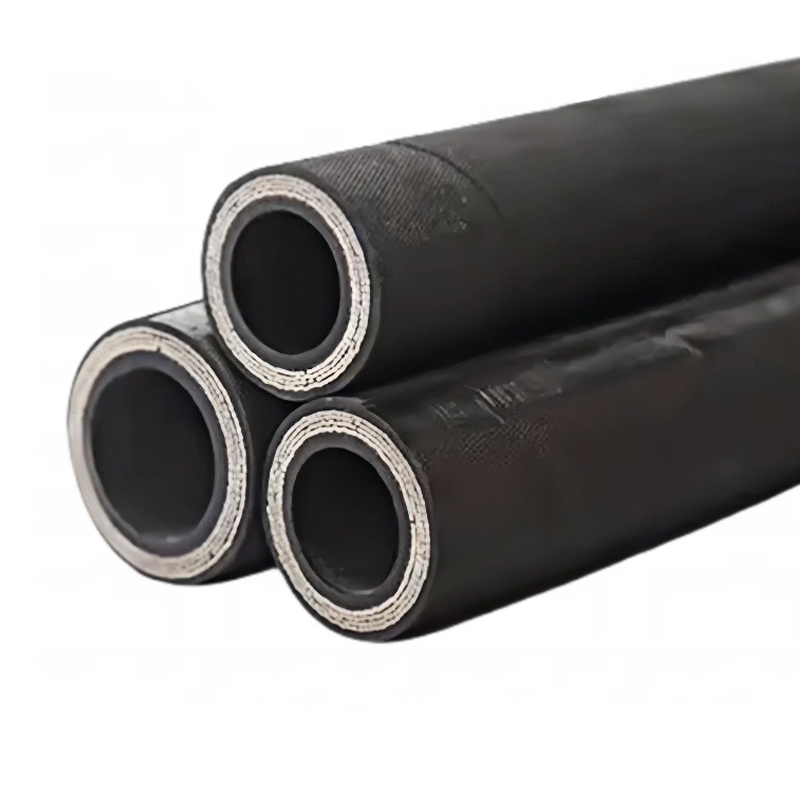 What's the True ROI of Upgrading to Spiral Hydraulic Hose? A Cost-Benefit Analysis